
Standing charges to be scrapped from gas bills next year – Treasury
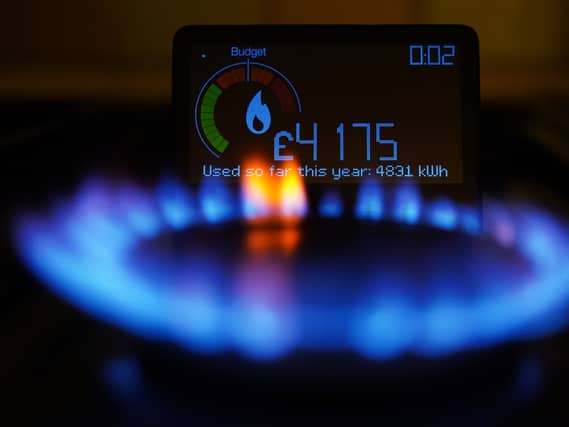

The charges are a fixed daily fee added to bills.
Standing charges on gas bills will be scrapped from next year for around 23 million homes, the Treasury has announced.
John Healey will confirm the change in his first Budget as Chancellor on Wednesday, in which he has promised “breathing space” for households and businesses.
The charges are a fixed daily fee added to bills, regardless of how much gas a customer uses, and cost around £108 per year for a typical household.

The Treasury said Mr Healey will ask regulator Ofgem to remove standing charges “in 2027 or as soon as possible after”.
Instead, fixed costs will be paid on the unit rate, which the Treasury said could save 60% of households an average of £45 on their annual bills.
Prime Minister Andy Burnham said: “Abolishing gas standing charges is about basic fairness and giving people more control over their bills.
“I am determined to reform our broken energy market, so it better serves the public interest.”
Mr Healey added: “Gas standing charges are unfair and outdated so I am scrapping them to give millions of households a bit of breathing space.
“My Budget will draw a line in the sand on an energy policy that has failed British billpayers for years, letting extra costs on bills pile high and leaving households even more exposed to global shocks.”
Mr Burnham told the Commons last week that he had asked Mr Healey and Energy Secretary Miatta Fahnbulleh to examine abolishing standing charges.
The fee does not pay for the energy itself, but covers the cost of delivering gas and electricity to homes and businesses – including the cost of essential maintenance and infrastructure upgrades.
Concerns have been raised that some low-income consumers who use large amounts of energy could be left worse off if the costs simply moved to the unit rate part of the gas bill.
The Treasury said ministers will “set out in due course targeted mitigation for a small number of households,” and that those “not seeing an automatic saving will still have better control over their bills without the worry of affording the standing charge”.
Mr Healey will also announce plans in his Budget to axe green levies from energy bills and putting them onto general taxation, The Times reported.
In a video message ahead of the autumn statement, the Chancellor said: “This Budget is designed to give households breathing space from some of the everyday costs, provide targeted support for businesses and self-employed people, and to start the long-term action needed to get energy costs down for good.”
Household energy bills rose in October with a 4% hike to Ofgem’s energy price cap and forecasters have warned they could soar by almost another £300 from January.
Cornwall Insight’s latest forecast predicts the price cap will rise by a further 16% to £1,999 a year on January 1, up by £276 on the level between October and December and the biggest rise since January 2023.
In an effort to help households, the Government has temporarily removed the 5% VAT from electricity bills until March 31 next year to cut around £45 a year.
Households are still paying 5% VAT for gas.