
Sam Fender’s John Lewis ad and the Rolling Stones covers that have come before


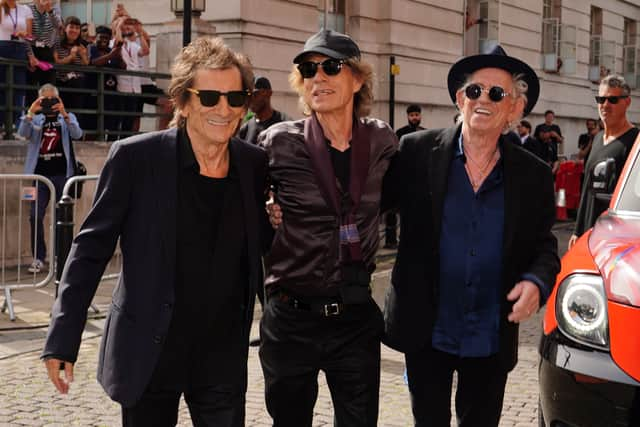
The Stones, fronted by Sir Mick Jagger, have seen their music translated into different languages and genres.
Singer Sam Fender will cover The Rolling Stones classic You Can’t Always Get What You Want for this year’s John Lewis Christmas advert, but he is not alone in covering one of Britain’s best-loved bands.
The 32-year-old’s rendition comes off the back of a successful last few years for the singer, who won the 2025 Mercury Prize for his album People Watching, and saw his duet with Olivia Dean, Rein Me In, become the longest-running number one single in British history, spending 23 weeks at the top.
It is not the first festive track for the singer after Fender previously recorded a cover of Lindisfarne’s Winter Song as part of a Christmas fundraising campaign for The Big Issue.
The Stones, fronted by Sir Mick Jagger, have seen their music translated into different languages and genres, from David Bowie’s glam rock take on Let’s Spend The Night Together to Susan Boyle’s surprise rendition of Wild Horses.
– Sam Fender, You Can’t Always Get What You Want
Fender’s attempt at the Stones’ Let It Bleed (1969) cut soundtracks John Lewis’s 2026 festive advert, which stars actress Dame Kristin Scott Thomas and a pull-along wooden dog voiced by comedian Paul Whitehouse in a story about finding a thoughtful gift.
– Susan Boyle, Wild Horses

After winning Britain’s Got Talent in 2009, Boyle appeared on The X Factor six months later singing this ballad from the Stones’ Sticky Fingers (1971) album, a surprising choice for the Scottish star who rose to fame singing songs from musicals.
The track featured on Boyle’s debut album I Dreamed A Dream (2009).
– Otis Redding, (I Can’t Get No) Satisfaction
Redding’s rendition of the Stones’ number one single sees the original fuzz guitar line replaced by horns and the singer presents a yearning, soulful rendition of the song on his 1965 album Otis Blue.
The single, which reached number 33 on the UK singles chart, made Redding the first black artist to have a hit with a song by a British invasion group.
– Bryan Ferry, Sympathy For The Devil

The Roxy Music frontman’s rendition of Sympathy For The Devil, which tells parts of world history from the viewpoint of satan, is a much lighter take thanks to Ferry’s space age warble and featured on his 1973 solo debut album These Foolish Things.
– Devo, (I Can’t Get Me No) Satisfaction
Perhaps one of the best-known Stones covers, Devo’s version of (I Can’t Get No) Satisfaction strips away Sir Mick’s sexual longing on the original and introduces a jerky almost emotionless rhythm drenched in anxiety.
The song saw the US punk band slightly change the track title to (I Can’t Get Me No) Satisfaction and became their highest charting single in the UK reaching number 41.
– The Who, The Last Time/Under My Thumb

When Sir Mick and guitarist Keith Richards were sent to prison on drugs charges in 1967, The Who responded in protest by recording a double a-side of The Last Time and Under My Thumb to keep their music in the public conscience while they were in jail.
Upon the single’s release, however, both Sir Mick and Richards had been freed following a newspaper campaign in The Times and the record charted at number 44 in the UK singles chart.
– The Soup Dragons, I’m Free
Featuring on the Stones’ 1965 album Out Of Our Heads, I’m Free was transformed for the dancefloor by indie dance outfit The Soup Dragons in 1990, introducing an interpolation of Donovan’s 1969 song Barabajagal and a baggy backing beat, scoring them a UK top 10 single.
Sir Rod Stewart – Street Fighting Man
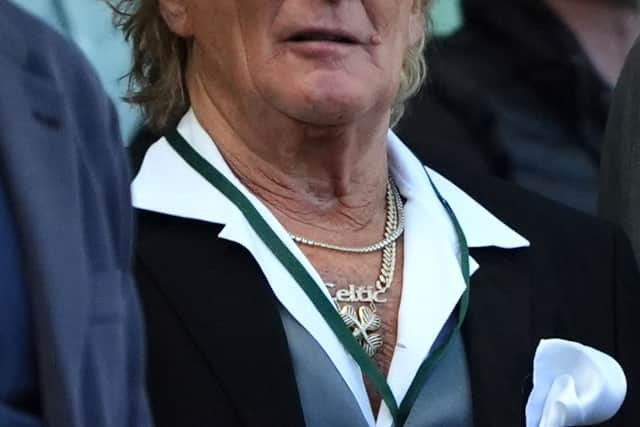
Sir Rod’s elongated five-minute cover of the Beggar’s Banquet (1968) track opens his 1970 debut solo album An Old Raincoat Won’t Ever Let You Down with backing from Faces guitarist Ronnie Wood and pianist Ian McLagan.
– Eric Burdon and War, Paint It, Black
First covered by Burdon with The Animals in a psychedelic fashion on 1967’s Winds Of Change, his take on Paint It, Black with funk band War is a 13-and-a-half minute epic with seven different movements, which opens their second studio album The Black-Man’s Burdon (1970).
– David Bowie, Let’s Spend The Night Together

Appearing on Bowie’s 1973 glam rock classic Aladdin Sane, his take on Let’s Spend The Night Together features the recognisable throb of Mick Ronson’s guitar and an added spoken word part in the middle.
The Stones’ original version was released as a double a-side single with Ruby Tuesday, reaching number three on the UK singles chart and getting banned by the BBC for its suggestive lyrics.