
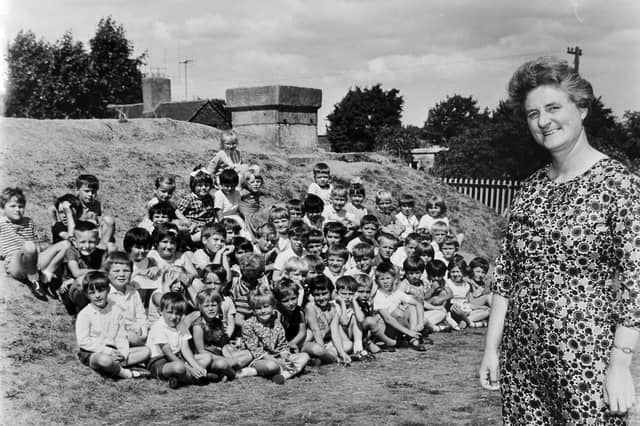

Take a trip back more than 60 years to the Shropshire of the 1960s, when everyday life looked very different to today.
From bustling workplaces, school classrooms, and parish gatherings to changing landmarks, visiting stars, and quiet countryside moments, these archive pictures capture the people and places that shaped our county's heritage. Presented in no particular order, the gallery features long-lost buildings, early New Town developments, proud local traditions, and plenty of snapshots that are sure to spark fond memories.
Whether you remember these days first-hand or are simply curious to see how Shropshire looked during a decade of dramatic change, take a look through our gallery and see how many of the people, places, and scenes you recognise.
What aspect of 1960s Shropshire life do you miss the most, or is there a particular local event from that era you still remember clearly? Share your memories in the comments.
- In case you missed it: 27 rare photos revealing life inside one of Shropshire's most secret establishments. View them here.
- You can enjoy this and more with our weekly FREE Nostalgia Newsletter - with scores of archive pictures and exclusive features on the history of Shropshire and Mid Wales - all sent to your inbox every week. Sign up here
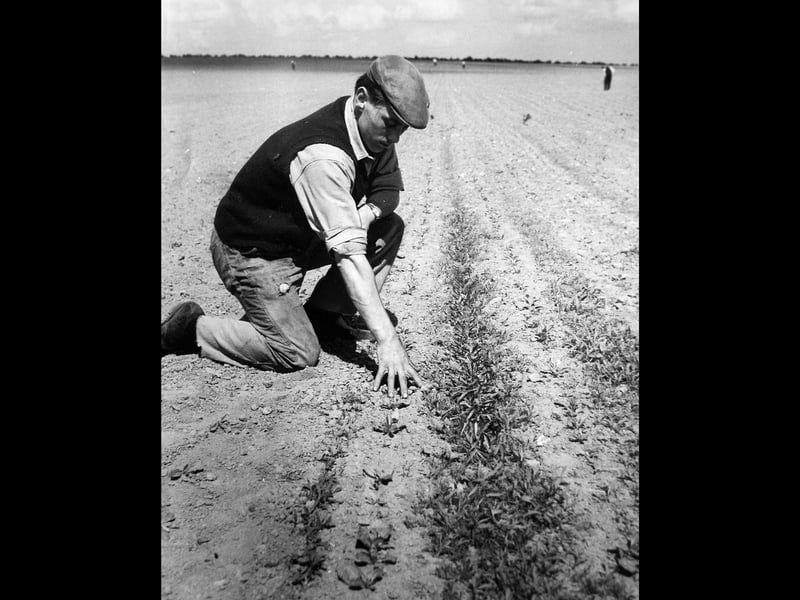
61. Rooting out the weeds at Grange Farm in Upton Magna
Kneeling down in flat cap and sleeveless jumper, a agricultural worker closely inspects neat lines of young beet at Grange Farm in Upton Magna on 22 May 1964. The snapshot demonstrates the impressive results of four-inch band weed control carried out on the land farmed by Mr John Muir. Capturing a quiet moment of scientific precision in Shropshire’s thriving agricultural sector, the photograph highlights how modern farming techniques were transforming crop management across the county's countryside during the mid-1960s. Do you remember the farming methods used across Shropshire in the 1960s, or did you ever work the land around Upton Magna during sugar beet season? | Shropshire Star archive
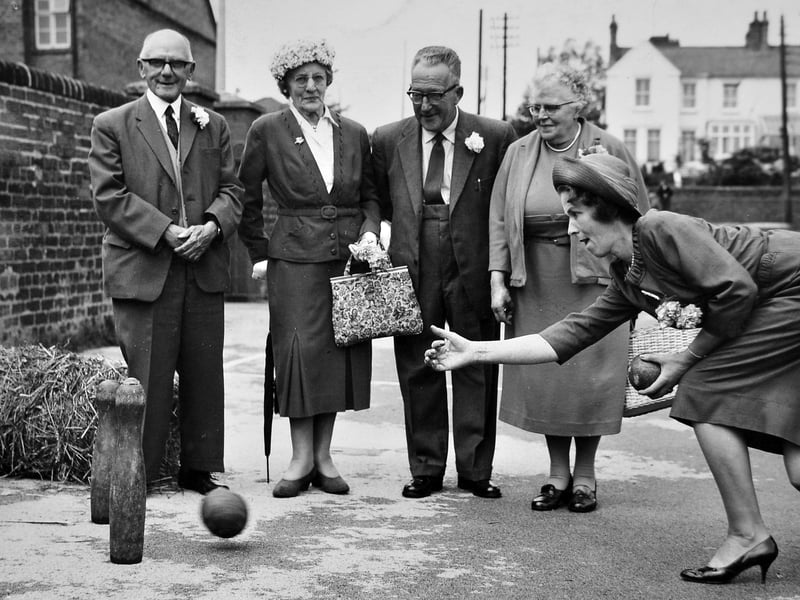
62. The Countess of Cavan takes aim for St Georges Good Neighbours
Eyes are glued to the skittles as the Countess of Cavan delivers a precise bowl during a lively gathering of the St Georges Good Neighbours Club circa 1963. Watching on with interest are Mr P Warrender, Mrs A F Dodd (wife of the former Priorslee vicar), Mr W V Fox, and fellow club supporters. Dressed in their finest Sunday best complete with buttonholes and elegant hats, the group showcases the fantastic community spirit and social activities enjoyed by local parish clubs across East Shropshire during the early 1960s. Do you remember attending the St Georges Good Neighbours Club events in the 1960s, or can you recognise any of the friendly faces lined up to watch the skittles match? | Shropshire Star archive
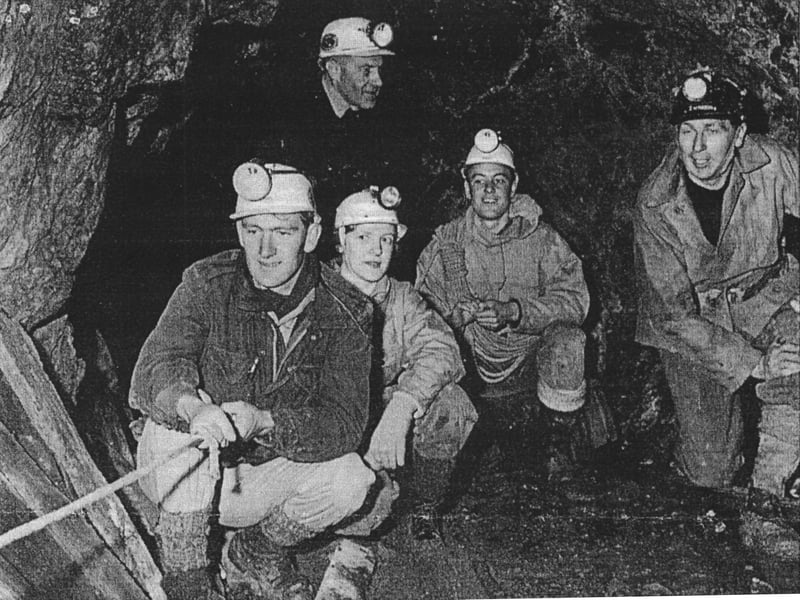
63. Subterranean explorers venture underground at Snailbeach
Equipped with helmets and headlamps, members of the Shropshire Mining Club pause deep underground during an expedition at Snailbeach Lead Mine in 1963. Crouched in the foreground from left to right are David Adams, Liz Mason, Mike Gaut, and John Mason, while David Corbyn keeps a watchful eye from the rear. Exploring the vast network of subterranean tunnels and shafts left behind by South Shropshire’s historic lead mining industry, these local enthusiasts helped preserve and document the county’s rich industrial heritage long after the commercial mines had fallen silent. Were you involved with the Shropshire Mining Club during its early 1960s explorations, or do you remember exploring the ancient workings around Snailbeach? | Shropshire Star archive
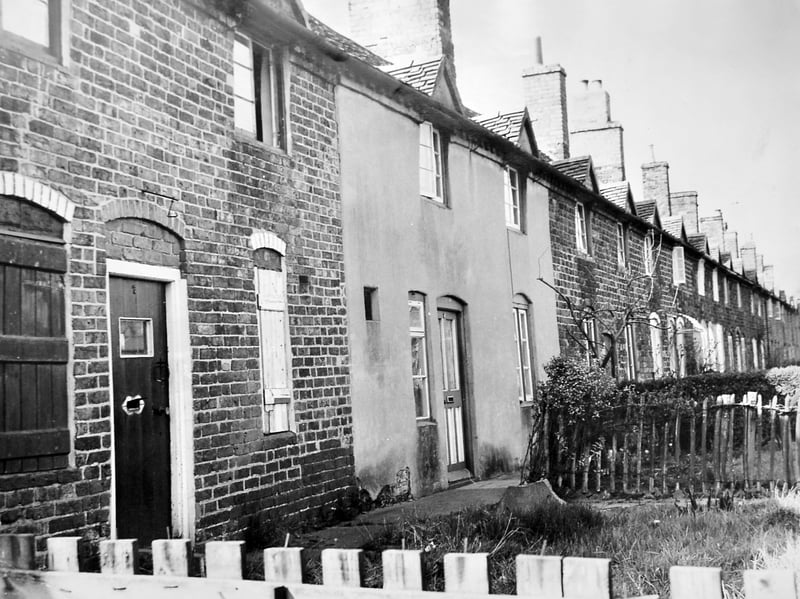
64. Protected status for Horsehay’s historic ironworkers' homes
Extending in a long, continuous row, cottages 3 to 17 Old Row in Horsehay stand as a testament to East Shropshire’s proud industrial heritage. Pictured on 12 April 1968, the 14 early 19th-century homes were granted official protection under the 1962 Town and Country Planning Act as buildings of special architectural and historic interest within the Dawley New Town boundary. Originally built around 130 years earlier for Coalbrookdale Company workers, who paid less than half-a-crown a week in rent, the row still housed descendants of those pioneer ironworkers even as modern development pressed in. Do you have family connections to the old Coalbrookdale Company cottages at Old Row in Horsehay, or do you remember when these historic homes received their protected status in 1968? | Shropshire Star archive