
Rough sleepers face major barriers to healthcare in Shropshire, report finds
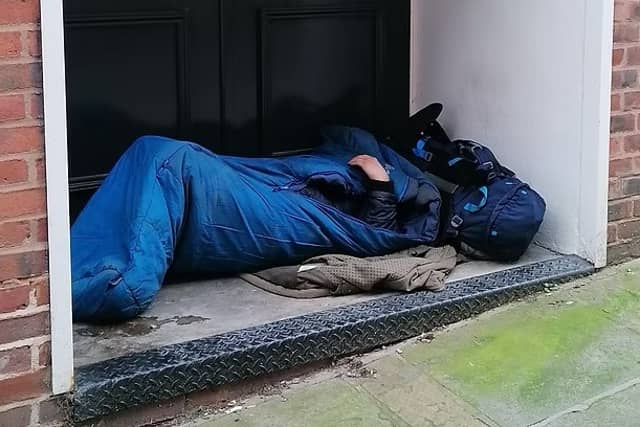

People experiencing rough sleeping are struggling to access GPs, medication and follow-up care after leaving hospital, according to a report based on evidence gathered in Shrewsbury
People experiencing rough sleeping in Shropshire are being discharged from hospital back onto the streets and face major barriers accessing healthcare, according to a new report.
Healthwatch Shropshire's report, 'Out in the Cold', is based on engagement carried out in Shrewsbury between October 2025 and February 2026 with people experiencing homelessness, alongside support workers, volunteers and healthcare professionals.
Researchers found that many people struggle to access GP services, maintain medication, navigate digital appointment systems and receive appropriate support after leaving hospital.
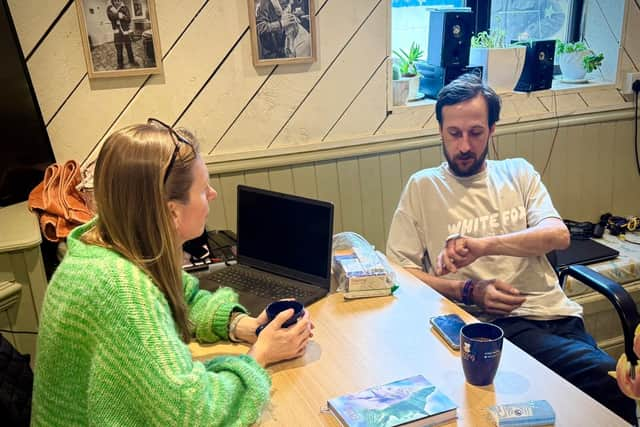
The report identifies The Shrewsbury Ark Day Centre's weekly on-site GP clinic as a "critical lifeline" for people who might otherwise be unable to access healthcare and recommends that similar community-based clinics should be introduced elsewhere in Shropshire.
Among its findings, the report says traditional GP appointment systems relying on telephone calls, online forms and digital triage often fail people experiencing homelessness, many of whom have no access to a phone or the internet.
It also found medication is frequently lost or stolen, with interrupted prescriptions leading to deteriorating health and avoidable hospital admissions.
Researchers heard that some patients had been discharged from hospital directly onto the streets, sometimes without medication, discharge paperwork or communication between hospital and housing services, increasing the likelihood of repeat visits to A&E.
The report also highlights the complex needs of many people experiencing homelessness, with staff at The Ark estimating that around three-quarters of their clients are neurodiverse. It says trauma, addiction and untreated mental health conditions can make it harder for people to engage with mainstream healthcare services.
Healthwatch Shropshire warns that these barriers create avoidable pressure on NHS services through increased ambulance call-outs, emergency admissions, repeat hospital stays and mental health crises.
Lynn Cawley, chief officer of Healthwatch Shropshire, said: "What we heard was clear: many people experiencing rough sleeping face significant barriers to accessing healthcare, not because they do not want help, but because services are often designed in ways that do not reflect the realities of their daily lives.
"The findings demonstrate the value of taking healthcare into trusted community settings and the importance of joined-up, trauma-informed support. We hope this report will help drive meaningful changes that improve health outcomes, reduce inequalities and ultimately reduce pressure on already stretched NHS services."
Anton Goodwin, director of The Shrewsbury Ark, said: "Too many people experiencing homelessness are expected to navigate complex systems while living with trauma, poor mental health, addiction, neurodiversity and the daily challenges of surviving without stable accommodation.
"Bringing healthcare and support into trusted environments like The Ark helps remove those barriers and enables people to access the help they need before they reach crisis point."
The report has been shared with NHS Shropshire, Telford and Wrekin Integrated Care Board, Shropshire Council, GP providers and partner organisations to help inform future improvements to services.
Responding in the report, NHS Shropshire, Telford and Wrekin Integrated Care Board and Shropshire Council said they welcomed the findings and recognised that people experiencing homelessness often face significant health inequalities. They said they remained committed to working with health partners and the voluntary sector to improve support for people experiencing homelessness.