
‘Look at the suffering’: Senior RSPCA leader issues desperate plea to rural criminals
We are continuing our campaign to spotlight an issue that is tormenting our communities: rural crime - we sat down with one of the key figures at the RSPCA responsible for working against the problem
Wildlife crime is “endemic” in the countryside, a senior national RSPCA figure has said, as he urges criminals to “look at the suffering that they are causing.”
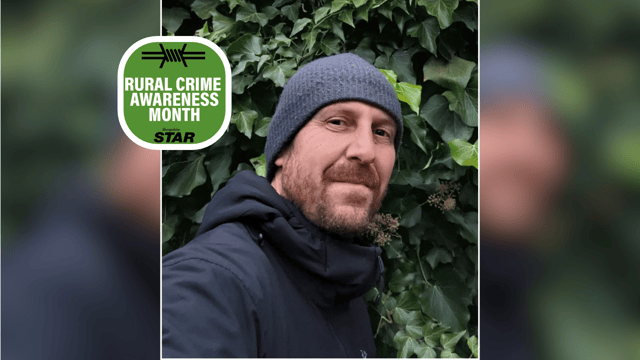
Mike Scargill, the RSPCA’s wildlife partnerships manager for England and Wales, made the comments as part of an exclusive interview with the Shropshire Star.
The interview forms part of this newspaper’s ongoing Rural Crime Awareness Campaign, which we have been carrying out this month.

So far we have spoken to a victim, a local farming leader, the police officers responsible for tackling rural crime in the county and MPs.
Although NFU Mutual statistics indicate rural crime’s cost to the country dropped in 2025 compared to 2024, our aim is to shine a light on an issue that is still plaguing the county’s farmers, rural businesses, and communities, and costing the region millions of pounds every year.
Whether it be machinery, equipment, or livestock theft, or wildlife crimes, rural crime has devastated the lives of many across the nation, including here in Shropshire.
Mr Scargill’s role at the RSPCA is to liaise with other partnership wildlife charities and the police to help counter wildlife criminality.
The partnerships manager said a focus of his job is to “ensure that wildlife crime and rural crime as a whole is kept on the agenda at governmental level”.
The RSPCA works hard to tackle wildlife crime like hare coursing, badger baiting and digging, as well as bird trapping and trading.
Mr Scargill, who is based in the Midlands, called crimes against badgers “horrific”, and despite many thinking such acts might have died out a long time ago, the senior RSPCA man said “it is still very much unfortunately out there.”

Asked how widespread wildlife crime is in Shropshire and the rest of the country, Mr Scargill said: “Well it is quite a big county, as you know. It is quite rural. There is a lot of land, a lot of unpoliced land - [where] you have not got any cameras or anything around. Unfortunately it is quite endemic in the countryside [the persecution of wildlife].”
Mr Scargill went on to explain how much rural crime, especially relating to badgers, concerns him in his position at the RSPCA.
He stated: “The suffering that both the wildlife and dogs go through as part of this persecution is horrific. The wildlife will ultimately be killed by being ripped apart by dogs or the persecutors themselves.
“Badgers are really tenacious fighters and dogs get horrific injuries around jaws and faces. Often their jaws will become degloved due to fighting with badgers.”
Asked about what his message is to criminals who continue to carry out their illegal activities against wildlife rurally, Mr Scargill issued a stark message.

He said: “I would ask them to have a little bit of introspection. Look at the suffering that they are causing. Look at the dogs who have been incredibly injured that cannot be taken to the vets because they would realise how the injuries were caused. [Look at] the wildlife that is taking a long, long time to be ripped apart by these dogs for their entertainment.”
Mr Scargill added that it does not surprise him that wildlife crimes like hare coursing and badger baiting continue in the 21st century.
He stated: “There appears to be within certain elements of wildlife persecutors a complete lack of empathy for the animals that they hunt, a lack of empathy for their own dogs, but there is also an enjoyment factor there which cannot be ruled out.”
The senior RSPCA manager went on to say that the public should remain vigilant for rural criminals, and if they have got any concerns around suspicious behaviour, they must report it to the police immediately.
Comment Guidelines
Iconic Media encourages reader discussion on our stories. User feedback, insights and back-and-forth exchanges add a rich layer of context to reporting. Please review our Community Guidelines before commenting.