
‘We need proper resources from government to tackle rural crime’ - Shropshire MP
We are continuing our campaign to spotlight an issue that is tormenting our communities: rural crime - we sat down with Helen Morgan MP to discuss it in more detail
The Government must better understand the extent of rural crime in places like Shropshire and give local police forces the resources they need to deal with it, a county MP has said.
Liberal Democrat MP for North Shropshire Helen Morgan made the comment as part of an interview with the Shropshire Star for our ongoing Rural Crime Awareness Month campaign.
So far this month, we have spoken to a victim of crime, a local farming leader, and the police officers responsible for tackling rural crime in the county.

Although NFU Mutual statistics indicate rural crime’s cost to the country dropped in 2025 compared to 2024, our aim is to shine a light on an issue that is still plaguing the county’s farmers, rural businesses, and communities, and costing the region millions of pounds.
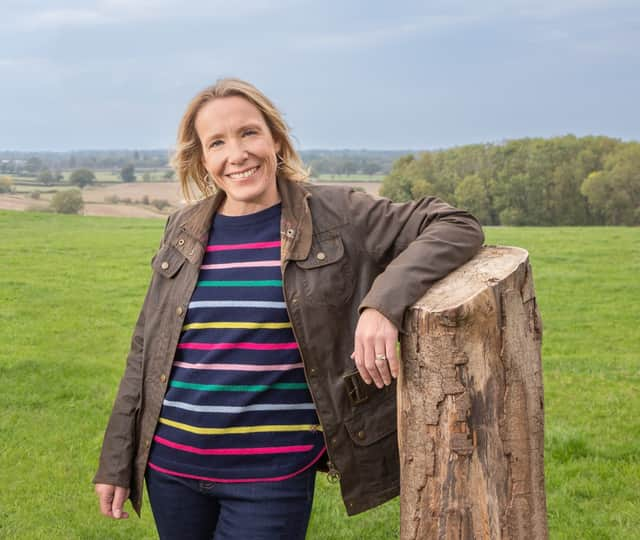
Since her election in 2021 Mrs Morgan has represented one of the most rural constituencies in the country and rural crime is one of the things that constituents want to talk to her about most, she told us.
“I would say every time I get out in the constituency, particularly when I am door knocking, I talk to people who have been affected by rural crime,” Mrs Morgan said.
Constituents tell the MP they have witnessed broad daylight drug deals, fly-tipping, anti-social behaviour, or had farm machinery and equipment stolen.
Mrs Morgan said she always urges any member of the public to report such crimes to the authorities as soon as possible.
“I encourage people to report crime, because if the police do not know it is happening they cannot do anything about it.”
Asked if there is an issue with people not bothering to report rural crime because there is a perception - rightly or wrongly - that the police’s resources are spread thin, the MP said there might be a problem.
“I think there is a concern that there is no point [in reporting to the police] because they will not respond.
”Somebody said to me last week: ‘If I drive 80 miles per hour down the M6 I can guarantee you I will get caught and get a ticket, but somebody can waltz onto my farm and steal a bit of equipment and they will just get away with it, and it is simply not fair.’”
She added that she believes most people who have large pieces of equipment stolen from farms tend to report the crimes, because they need a valid crime number to claim insurance.
However, those who have been hit by smaller rural crimes in the constituency tell her “they cannot be bothered” to report it.
She said: “They do not think they will get a swift enough response for it to make any difference.”
Mrs Morgan also pointed out the psychological effects of being a victim of rural crimes like hare coursing.
She discussed how some victims of hare coursing feel they cannot report it to the police due to the fear of repercussions at the hands of the criminals carrying out the illegal activity.
“When there is clear organisation behind the crime - and we know that hare coursing is one of those organised crimes that is on the rise at the moment - people are very, very nervous to talk about it.
“Last week somebody told me that they had not reported it because they were frightened of being beaten up. It is a real genuine level of fear.
“And they could give instances of people having been hit with a baseball bat, for example, as a result of confronting hair coursers.”
Mrs Morgan said there needs to be a push from politicians to get the police the resources they need, but said she felt the Government “does not understand rural communities”.
She said: “I think for me the resourcing of the police is a very similar issue to the resourcing of the council and the resourcing of education. Rural areas just are not taken very seriously.
“We need an understanding from the Government that organised crime does happen here [rurally], and we need the proper resources to tackle it.
“I think the Labour government does not understand rural communities, and therefore it does not resource them appropriately at all.
“There is a complete lack of understanding and a real kind of group thinking in Whitehall about how every problem should be tackled, and it just does not work in a rural area.”
Asked if she believes places like North Shropshire have been forgotten about by the Government, Mrs Morgan said that if it has she will not stop until that has changed.
She said: “The words I have used are ‘neglected’, ‘left behind’ - but it is my job to make sure they do not forget about us and I work hard in Parliament to make sure that is not the case.”
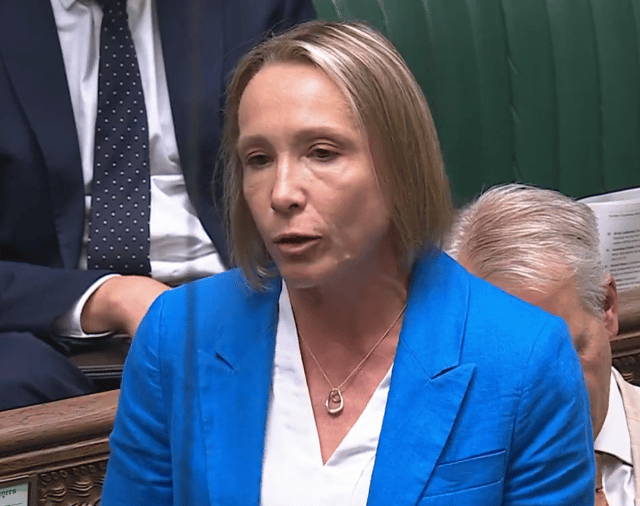
Discussing what the Lib Dems would do differently if they were in power, Mrs Morgan said her party would take a more “community-centred” approach to resourcing the police.
She said: "Interestingly, Ed Davey has raised the question of hare coursing in Prime Minister’s Questions. Rural crime is taken very seriously - we have a lot of rural MPs.
“Our whole approach to dealing with crime is to invest in community policing. So that means more officers on the ground who understand the communities that they live in.”
In response to Mrs Morgan’s comments, we approached West Mercia Police.

Inspector Jodie Davies, from the North Prevention Hub which covers rural crime, said: “Rural crime can have a significant impact on livelihoods, businesses and local communities, and we remain committed to preventing crime, pursuing offenders and supporting victims across Shropshire.
“I would encourage anyone who experiences crime or witnesses suspicious activity to report it to us. The information we receive from our communities is crucial in helping us build intelligence, identify patterns of offending and take targeted action against those responsible.”
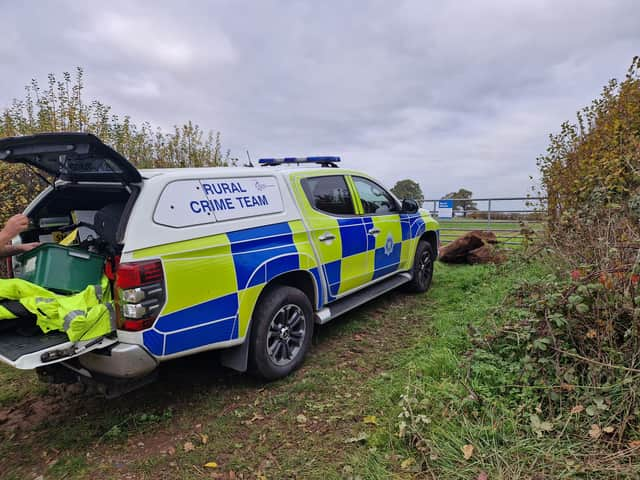
She added: “We have two dedicated rural crime police officers, a rural and business staff officer and six special constables covering the county, however tackling rural crime is the responsibility of all officers.
“Our Rural Crime Team works closely with Safer Neighbourhood Teams, response officers, specialist departments and partner agencies, including the NFU and neighbouring police forces, to tackle a wide range of issues affecting rural communities.
“This includes thefts from farms and rural businesses, hare coursing, heritage crime, wildlife crime and offences linked to organised crime groups.
“Whether an incident is part of a wider organised crime issue or a lower-level offence affecting a local resident, reports from the public help us develop a clearer picture of what is happening across our rural communities and ensure we can direct resources where they are needed most.”

The Home Office was also approached following Mrs Morgan’s comments. In response, a Government spokesperson referred to Home Secretary Shabana Mahmood’s latest announcement that hundreds of new ‘local police commands’ would be created across the country, which was outlined in her keynote speech to police chiefs on Wednesday (November 18).
The government spokesperson said: “Rural communities will be transformed by the introduction of around 200 new local police commands. This will ensure there are officers in every area of the country who are solely focused on understanding the needs of local residents and tackling crimes that plague their neighbourhoods.
“In addition to putting more police on the beat, we are working closely with police to deliver the latest Rural and Wildlife Crime Strategy.
“Evidence suggests we have already seen a positive trend across rural crime, but we will continue to go further in order to keep rural communities safe.”
Comment Guidelines
Iconic Media encourages reader discussion on our stories. User feedback, insights and back-and-forth exchanges add a rich layer of context to reporting. Please review our Community Guidelines before commenting.