
Inside the town blighted by balaclava-clad youths - as ban comes into force
Many fear it won't make much difference or be fully policed
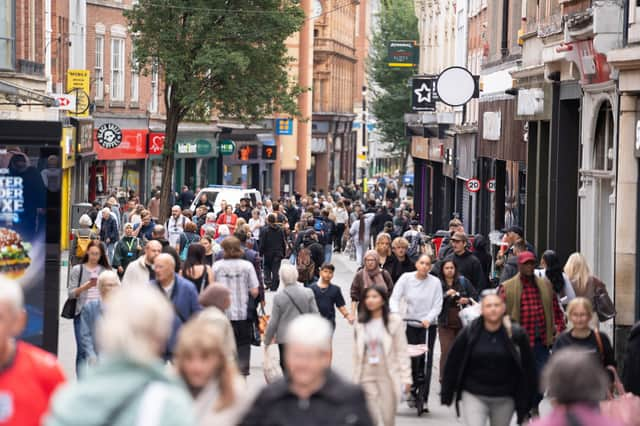
Residents and business owners in Nottingham have welcomed a ban on balaclavas in the city centre.
The East Midlands city became the first in the UK to outlaw the facial coverings and those flouting the rules can face a fine of up to £1,000 as of Tuesday this week.
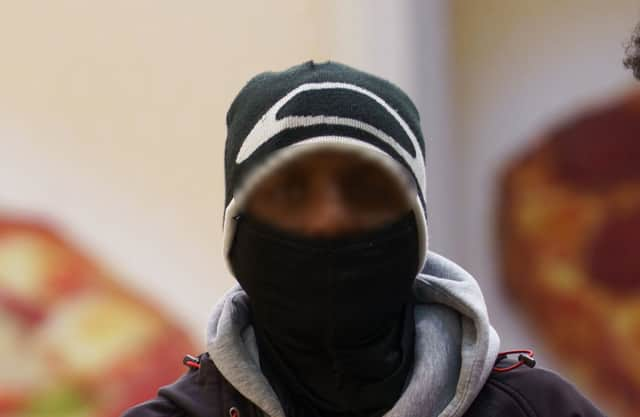

The new rules also give Nottinghamshire Police the power to hand out £70 on-the-spot fines for anyone spotted wearing the masks unless for religious, health, medical or work reasons.
Locals in the city say they've been repeatedly targeted by nuisance yobs for the past two years and that action is long overdue.
Masked thugs have reportedly been raiding local shops as well as speeding through the city on illegal electric bikes and scooters.

But those living and working around the city centre say they are concerned the ban won't be properly enforced or make much difference to youths terrorising their streets.
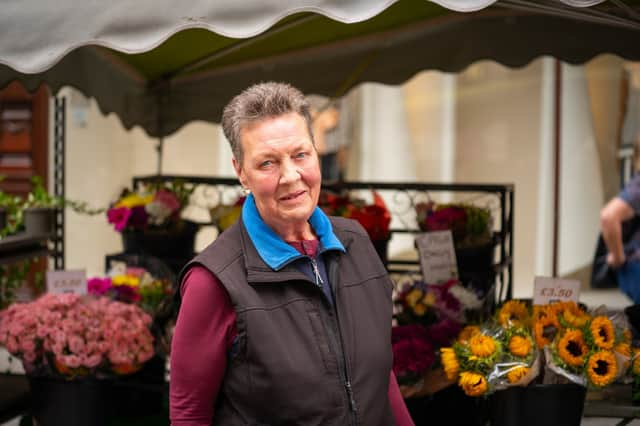
Market stall trader Annette Clay believes the change was needed but fears the repercussions and how it will be policed.
Annette, 69, added: "I regularly see them harassing police in the city centre. How are we going to police it, I want to know?
"You're going to get antagonistic youths in the centre trying to wind the coppers or community protection officers up.
"They never work on their own, they always work in gangs. If they see a police van they'll congregate around it.
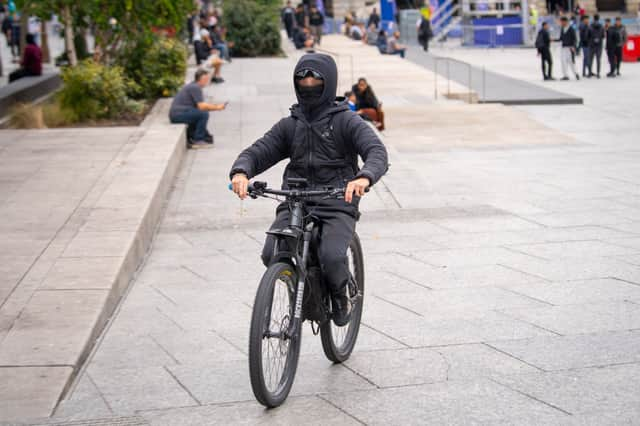
"You get them on the illegal bikes bombing around the town centre as they know the police are no longer using the scrambler bikes to catch them.
"They make all these laws but they need to be continually enforced.
"It's a growing problem for us here, definitely, but they need to stick to the policing of it."
City centre office worker Martin Cutner, 33, added: "It won't make a difference to these kids and they will find ways around it.
"All they have to do is say it's for religious or health reasons and police will be too scared to touch them.
"It's a good idea in principle but it doesn't make these trouble-makers go away.
"I can see innocent people like delivery riders getting stopped instead who often wear them to keep warm, now we're getting into colder months.
"If anything these yobs will just target surrounding areas instead where the ban isn't in place."
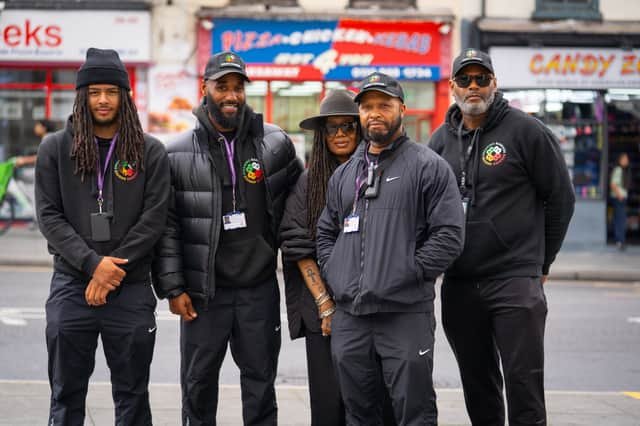
Youth support worker Daniel, from Breaking Barriers Building Bridges, is part of a team which patrols the city centre helping young people.
They have radios linked to local shops to act as the first port of call for businesses facing issues with youths.
He said: "We feel that it's a good thing that people can be recognised in and around the city centre.
"I think the problem is how they are going to police it because it's difficult.
"In the winter time, someone's got a balaclava on because it's cold, what are you going to do for that?
"Or even those from a religious background, how are you going to police it?
"We think people should be identified around the city centre, I understand that.
"Going into shops and wearing a balaclava can be or seen as intimidating."
Rayan, 26, who works in electronic shop Mobile Square, said the store had been targeted on numerous occasions by balaclava-clad thugs during his one and a half years working there.
He said: "We get a lot of issues from them, they come here in a group and try to steal things.
"They stole a bike from me two days ago, an electric bike.
"They sometimes come for a phone repair and say 'I'll pay later' then say 'let me quickly check' and claim to do the bank transfer.
"Then they would just look for an opportunity, say if I got another customer, he will just run away.
"They sometimes even steal the phone from your hand.
"They say 'show me that phone' and you show them, then they run away with it.
"Hopefully the ban will be a good thing because when someone comes to the shop, they can be held accountable and we can report them to the police."
Nottingham local dad-of-six Humphrey Harris, 70, said he regularly has to dodge oncoming balaclava thugs speeding on electric bikes.
The retired lorry driver said: "I've had trouble with them.
"I walk with a stick, I'm disabled, but they come flying by.
"When they cover their face I tell them to take it off.
"They come close by you and think they're clever, they freak you out.
"You see them on the scooters and the bikes and they get so close to scare you."
The new ban comes as Nottingham was recently named the seventh most dangerous place to live in the UK outside London, according to latest Home Office crime data.
The new rule is part of Nottinghamshire Police's Operation Reclaim, a partnership approach to tackling youth anti-social behaviour, illegal e-bikes, drug dealing, rough sleeping, weapon carrying and retail crime.
The force said evidence had identified more than 180 city centre incidents involving face coverings or balaclavas between June 2025 and June 2026.
Superintendent Chris Pearson said: "There is only one reason that young people come into the city wearing balaclavas – and that is to conceal their identity to commit crime and intimidate members of the public and our business community. Not any longer. Your time is up.
"Any person found to be wearing a balaclava or similar face covering in the city centre, and we suspect they are involved in crime or anti-social behaviour, will be stopped by our officers.
"We will then use all the powers at our disposal to ensure they cannot wear that item again.
"This is all about disrupting criminality. I can't be clearer – we don't want you in our city centre if you are going to cause these problems. Residents have had enough. Businesses have had enough. We've had enough.
"With the introduction of our facial recognition van and our high-visibility city centre patrols, there really is nowhere to hide.
"We hope that other parts of the country will look at what we are doing in Nottingham and that these measures will become introduced in other towns and cities."
Nottinghamshire Police and Crime Commissioner Gary Godden said: "This restriction makes it easier for police and partners to stop crime and antisocial behaviour in its tracks by taking away the veil of anonymity that some people try to hide behind.
"It also gives the majority of people who enter our great city the peace of mind and increased confidence that they will be safer, because any criminals who come here will find it increasingly difficult to operate without being seen by the city's multi-agency array of high-visibility officers, network of CCTV cameras, and facial recognition cameras.
"And I'm delighted that our Immediate Justice programme can be used by people who fall foul of this ban, as it will mean they will be made to swiftly and very visibly pay back the community they have harmed."