
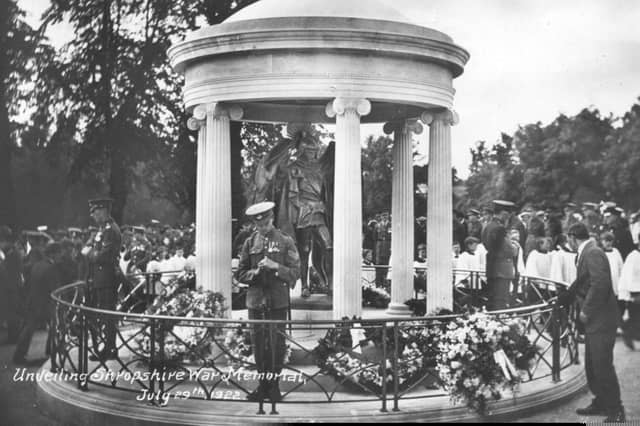

Across the county ceremonies will be held at war memorials to give thanks to those who made the ultimate sacrifice.
Typically those memorials take the form of an obelisk or stone cross on a plinth, with an inscription bearing the names of the dead. But unlike the individual graves of the fallen, in which a standard and familiar form was adopted so all were equal in death, communities were free to choose how to honour and remember their heroes.
They did it in various and imaginative ways. Some were pieces of art, with magnificent and poignant statues, while some communities chose a more functional path, such as through building a new public hall.
We’ve chosen just 10 to feature, spanning the rich heritage of remembrance. And of course it does not really matter what form the memorial takes - what matters is that we continue to express our gratitude to those who gave everything.
- You can enjoy this and more with our weekly FREE Nostalgia Newsletter - with scores of archive pictures and exclusive features on the history of Shropshire and Mid Wales - all sent to your inbox every week. Sign up here
- For anyone curious about where their own family story leads, MyHeritage DNA kits are currently £19.90, excluding shipping. The test can help explore genetic origins and identify DNA matches who may share branches of your family tree.
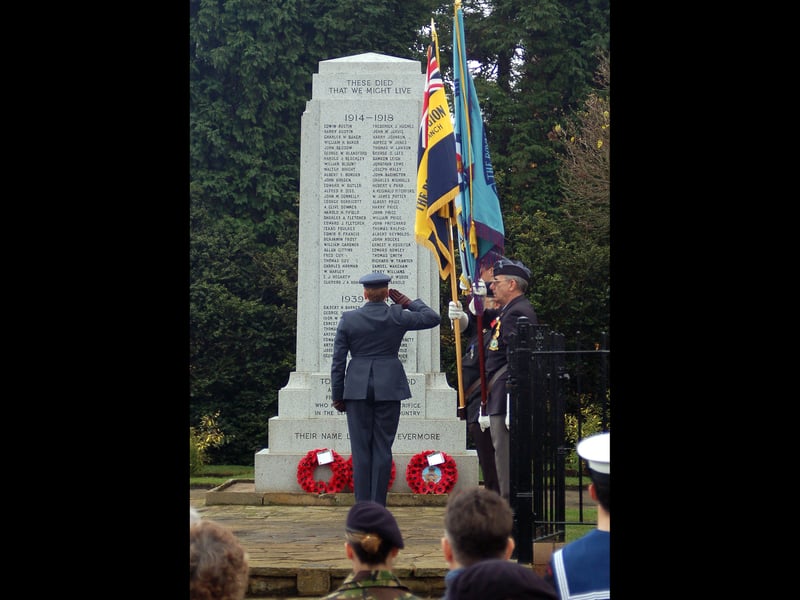
5. We salute them all
Hadley's remembrance ceremony, on Sunday, November 11, 2007. The Aberdeen granite cenotaph in Manse Road was unveiled on May 23, 1953, bearing the names of 60 men from the district who fell during the Great War, and a further 19 from the Second World War. | Shropshire Star
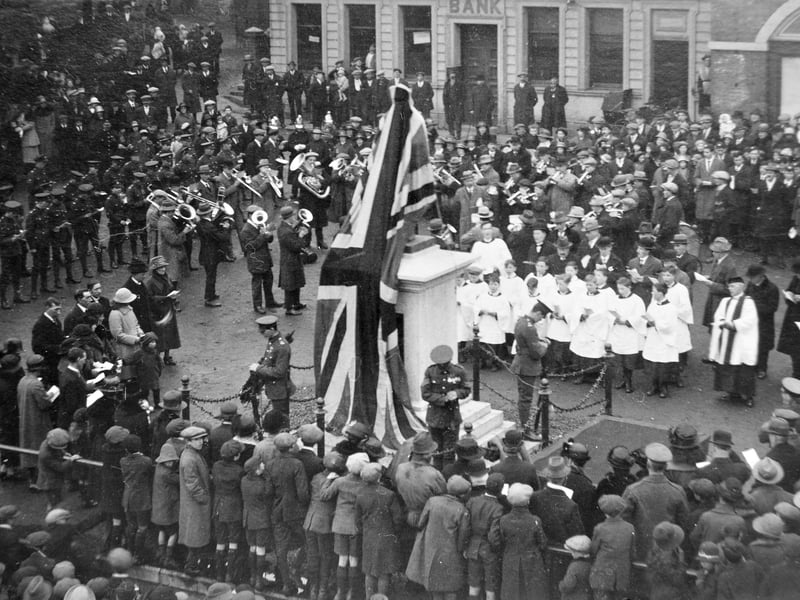
6. Ironbridge unveiling
The unveiling of Ironbridge war memorial in The Square, on March 2, 1924. Rector Roberts, who was rector of Ironbridge Church for 35 years, dedicated the memorial, which was unveiled by Colonel A N B Garrett. The choir on the photograph is Ironbridge Choir. Proceedings closed with a muffled peal of the church bells and the laying of wreaths. In an early version of the design of the soldier statue, the soldier stood with a bowed head, but in its final form the soldier is looking forward. | Ray Farlow
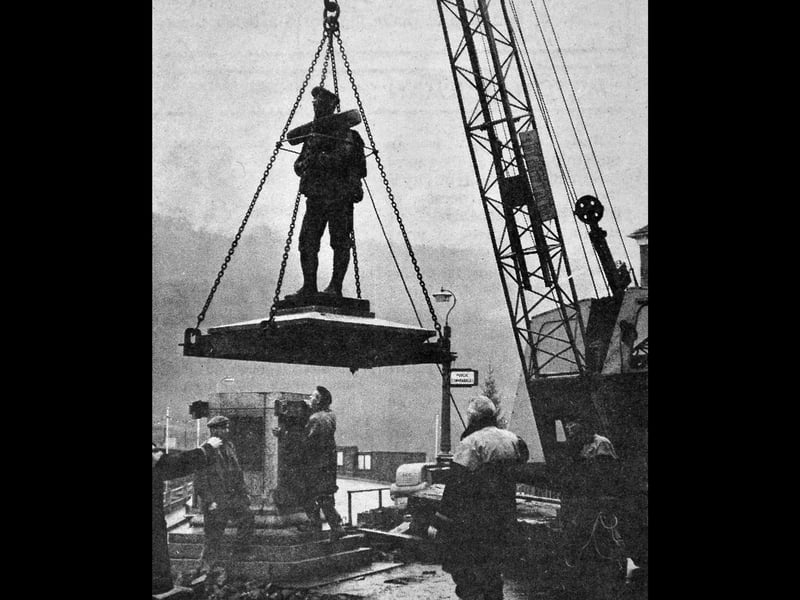
7. Moving home
Ironbridge's memorial was briefly taken away in the 1960s. This picture was used in the Shropshire Star of December 28, 1965, with the caption: "County council workmen are demolishing the front of The Square at Ironbridge to provide a bus bay and so reduce traffic congestion in the town centre. This involves the removal of the War Memorial and our picture shows the bronze figure of a soldier surmounting it being lifted away by crane. The figure was taken to the county council depot at Meole Brace, Shrewsbury, for safe custody until the rest of the memorial can be transferred to another site on the opposite side of the road. The new site is being prepared and when the base has been fixed the figure will be restored. The operation is expected to take a week or two." | Shropshire Star
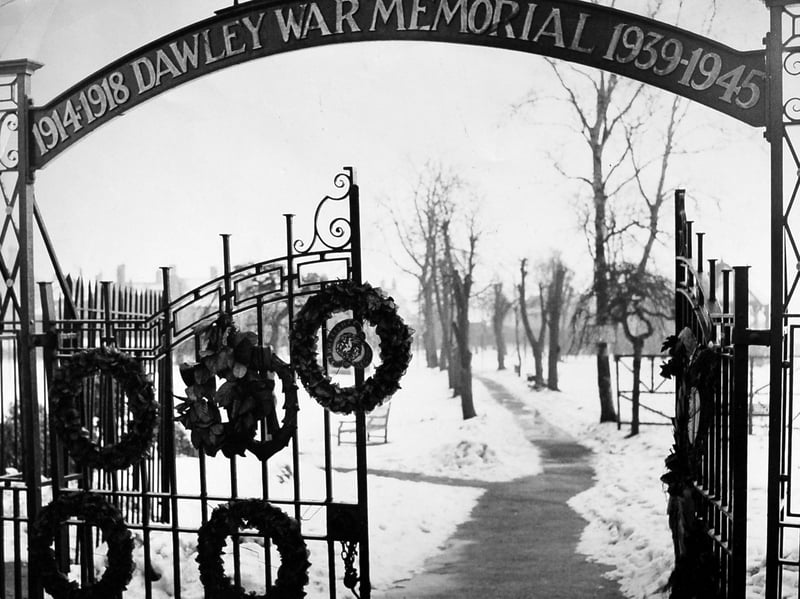
8. Dawley's war memorial gates
Dawley war memorial gates, pictured on February 16, 1963. They stand at the entrance to Dawley park. They were dedicated on May 1, 1948. The gates were provided by public subscriptions as part of the town's war memorial, with the other part being the provision of a rest room for old folk. | Shropshire Star archive