‘We're proud to produce safe, affordable and traceable food and are trying to do it sustainably’: Shropshire poultry farmers defend their industry after criticism
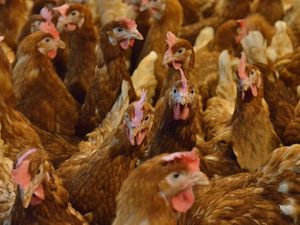
Shropshire farming representatives have leapt to the defence of poultry farmers amid a recent wave of criticism.
In June last year the High Court ruled against Shropshire Council, halting a proposed 230,000-bird chicken unit over fears of the environmental impact, including ammonia emissions and manure spreading into rivers following court action brought against the council by environmental campaigners.
Earlier this year a planned 200,000 broiler unit in Albrighton, a village with a population of just 4,000 people, saw more than 20,000 sign a petition opposing the plan.
The poultry farming industry says it is working hard to reduce its environmental footprint and that excessive criticism is unwarranted.
Each year in the UK, Brits consume around 13.6 billion eggs and eat around 35kg of chicken.
The poultry meat sector also supports around 100,000 jobs, ranging from farmers and farm managers to processors, haulage companies and lorry drivers, and is responsible for a gross value added contribution of £7.5 billion to the UK's GDP.
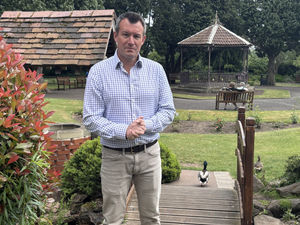
Shropshire chicken farmer Kate Mayne, who rears poultry in Ruyton XI Towns, said the industry is trying to be as sustainable as possible.
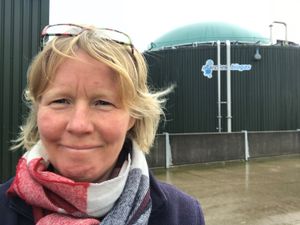
She said: “We are proud to produce safe, affordable and traceable food for people to eat and we are trying to do it as sustainably as possible.
“Poultry farmers in Shropshire and across the country put the health and welfare of their birds first and the demand for poultry meat and eggs remains very high as a staple part of so many people’s diets.
“These family businesses are tightly regulated and can implement the latest technology in terms of heating, ventilation, insulation, controls and feeding all of which make poultry farming a truly modern and efficient sector operating to high standards with a low carbon foot print.
“Planning permission for poultry applications will help the sector maintain its high levels of animal welfare, reduce our environmental footprint and support the local economy and family businesses."
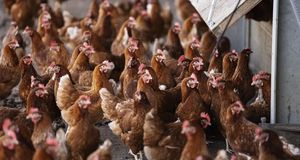
Kate who is also the county's NFU chair added: “Shropshire farms are essential for our food and drink sector that is worth £148 billion nationally and employs more than four million people.”
Georgie Hyde, environment and land use adviser at the NFU said the poultry industry is working closely with other agencies to reduce its environmental impact.
“As food producers, farmers are committed to protecting the environment in which they work and live,” she said. “Whether that’s improving soil health, making the most of organic fertilisers or looking after our waterways," she said.
"They are working hard, through a range of voluntary and regulatory measures, to prevent valuable nutrients and soil from contributing to water pollution.
“Many people across the country enjoy and rely on nutritious and affordable British poultry meat and eggs as a diet staple. British poultry farmers are committed to meeting that demand by using efficient and sustainable systems while minimising their environmental impact.
“As farmers continue to take voluntary action through sector-led initiatives to improve the water environment, the NFU is working closely with local authorities, Defra and the Environment Agency to drive further improvements that benefit soil, plant health and water quality.
“Poultry manure is also a valuable source of nutrients and an organic fertiliser which helps sustainably produce the nation’s crops, which is why farmers are working hard through a range of voluntary measures to ensure these nutrients don’t get lost in our waterways.
“With a growing population, there is a clear need for sustainable, affordable and environmentally friendly food and we will continue to drive improvements that benefit water quality.”