
Shropshire artist calls for West Midlands memories of Disability Arts movement
New project seeks stories from people who have been part of the Disability Arts movement
A Shropshire artist is encouraging people across the West Midlands to share their memories and experiences of the Disability Arts movement as part of a major heritage project.
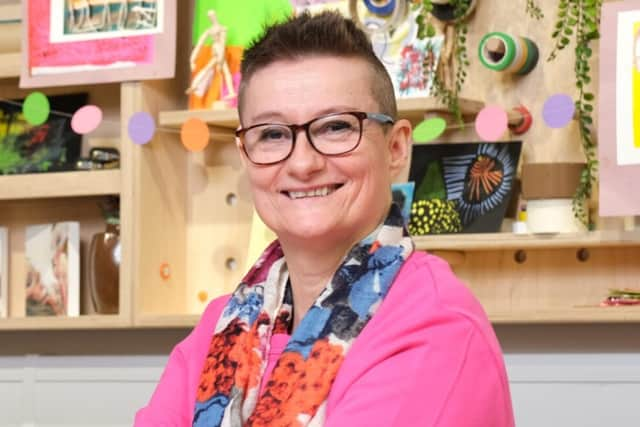

Tanya Raabe-Webber, from Baschurch, is supporting ‘Cripping Culture: A Journey into Disability Arts Heritage’, a three-year project led by charitable arts organisation Disability Arts Online and supported by the National Lottery Heritage Fund.
The project aims to preserve the stories of the Disability Arts movement and create an accessible digital archive, interactive timeline and podcast series celebrating its history.
Tanya, a painter known for creating portraits of disabled people who have influenced disability arts and cultural history, is helping to encourage people from the region to share their own experiences.
Her work often takes place in public spaces and galleries, sparking conversations around disability, identity and representation. She is also passionate about supporting other disabled artists to achieve their ambitions.
The Cripping Culture project is seeking contributions from anyone with a connection to the Disability Arts movement, including artists, writers, performers, musicians, producers, curators, activists and audience members.
Stories could include memories of attending an event, show or exhibition, meeting an artist, involvement with an organisation, or any other experience linked to disability arts.
Tanya said: “Disability Arts Online’s Cripping Culture project is important as a living legacy to provide a real-life representation of our people and our cultural heritage for future generations.
“That is why I am encouraging people to share their stories with the project.”
Organisers hope contributions from across the West Midlands will help uncover previously untold stories and highlight important moments in the movement’s history.
Colin Hambrook, Heritage Project Director, said: “It doesn’t matter who you are, if you have a story to tell that involves disability arts in the UK, then we want to hear from you.
“Everyone who shares a memory will play an important part in the Cripping Culture project, saving our heritage for future generations.”
Contributions can be submitted as text, video, audio or photographs, with stories accepted in English or British Sign Language. Support is available for anyone who needs assistance in sharing their contribution.
The call for stories is open until Friday, August 14.
To find out more or share a memory, visit disabilityarts.online/cripping-culture