
Plans for ‘appalling’ credibility tests for modern slavery victims under fire
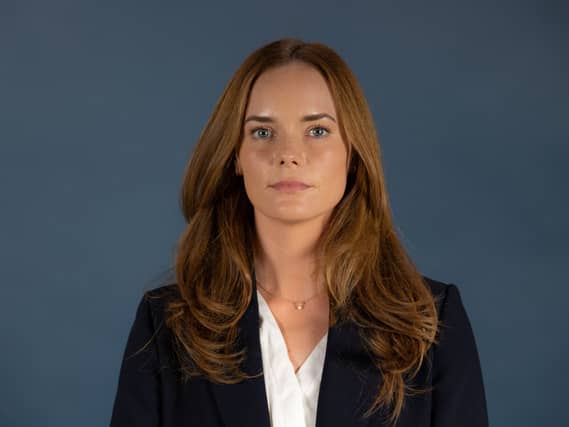

The Immigration and Asylum Bill ‘could undermine survivors’ credibility, the independent anti-slavery commissioner Eleanor Lyons has warned.
The Government’s proposed credibility tests for people who say they have been victims of modern slavery have been branded “appalling” by the UK’s independent anti-slavery commissioner.
The Immigration and Asylum Bill, which completed its final stages in the Commons on Tuesday, contains a clause instructing decision-makers to consider certain factors as damaging a person’s credibility.
They include delayed reporting, inconsistencies in their accounts and “striking” similarities to another person’s story, which anti-trafficking campaigners warn are all hallmarks of genuine victims.
Independent anti-slavery commissioner Eleanor Lyons said trauma can affect how survivors recall their experiences and it can take years for them to come forward.
She told the Press Association: “We should be doing everything in our power to make sure survivors of sexual exploitation feel comfortable coming forward and speaking about their experiences – something which takes tremendous courage.
“It is appalling that the Government is instead introducing new requirements in law that could undermine survivors’ credibility simply because time has passed since their exploitation, because there are inconsistencies in their accounts, or because their experiences are similar to those of other victims.
“We know that trauma can affect how survivors remember and recount their experiences, and that it can take years for someone to feel able to speak out.
“These factors should not be used to cast doubt on their accounts or discourage them from coming forward.
“The Government should remove these new additions from the legislation and instead focus its efforts on prosecuting the perpetrators of these crimes and wrapping care around victims, so they know they will receive the right support if they speak out.”
Isabella, a pseudonym, is a survivor of sexual abuse and trafficking at the hands of late billionaire Mohamed Al Fayed and has been confirmed by the Home Office as a victim of modern slavery.
She said the proposed credibility checks risk “turning the recognised consequences of trafficking into statutory reasons to doubt their credibility”.
She told PA that delayed disclosure, trauma-related inconsistencies and similarities between victims’ accounts are recognised consequences of the trafficking, so “the very evidence that may establish an organised trafficking enterprise would be used against the victims”.
Isabella added: “I think the Fayed case is a really good example of this, because what we experienced demonstrates the danger of it.
“We were silenced through threats, intimidation and surveillance, non-disclosure agreements and also trauma.
“And we also tried to report, but we were failed by the police and the CPS (Crown Prosecution Service).
“So then, Clause 41 would require decision-makers to treat the resulting delays as damaging credibility unless satisfied that there were good reasons, and those good reasons are not set out. We don’t really know what those are going to be
“So the coercion would succeed twice: first by preventing disclosure because the institutions didn’t do what they were supposed to, and because of the methods that the traffickers used, and then later by undermining credibility when disclosure finally happens.”
Isabella said that, while the purpose of the clause appears to be preventing migrants lying about being trafficked to stay in the country, the measure also applies to British victims.
She said: “I think a fundamental flaw is that the purpose of this is one thing, but the outcome of it is a broad brush impact on every victim of trafficking.
“Now don’t get me wrong, I don’t believe that these credibility provisions should apply to anyone, whether they are British nationals or not, but there seems to be a bit of a whitewashing over the fact that it would apply to British victims, who represent the largest number of trafficking victims in this country, and a huge, huge amount of them are children.”
Isabella backed an amendment put forward by SNP MP Pete Wishart (Perth and Kinross-shire), which would remove the clause.
The amendment was also backed by Labour MPs Tonia Antoniazzi and Brian Leishman, SNP MPs Seamus Logan, Graham Leadbitter, Chris Law and Lara Bird, and Green Party MPs Sian Berry, Hannah Spencer, Carla Denyer, Adrian Ramsay and Ellie Chowns.
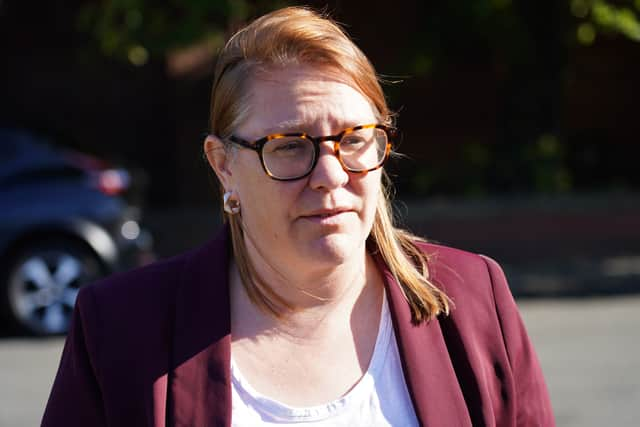
Labour former education minister Olivia Bailey proposed a separate amendment, designed so statements made by children would not count against them if, for example, there was an “inconsistency” in their story.
“Child victims often do not recognise themselves as victims and cannot consent to their own exploitation,” Ms Bailey told the Commons.
“I urge ministers to amend this clause to ensure that recognised signs of child abuse are not used as reasons to fail to protect a victim of modern slavery.”
Isabella also supports Liberal Democrat home affairs spokesman Max Wilkinson’s new clause 30, which would require the Government to introduce legislation to ensure that the UK is compliant with the Council of Europe Convention on Action against Trafficking in Human Beings (ECAT).
Home Office minister Anna Turley said: “I’m actually very proud of the modern slavery amendments in this Bill.
“We are doing a huge amount to support victims of modern slavery, and I think that ought to be recognition of actually how far we’ve come and the leadership we show in this country.”
She praised certain provisions in the Bill, including a power to devolve national referral mechanism decision-making for children, placing independent child trafficking guardians on a statutory footing, and strengthened expectations on businesses to report on modern slavery in their supply chains.
The Bill will now be passed to the Lords for further scrutiny.