
Mahmood ‘U-turns’ on plans to make foreign carers wait 15 years for settlement


Tensions in the Cabinet over the policy surfaced when Angela Rayner earlier this year publicly attacked the prospect of backdating the plans.
Home Secretary Shabana Mahmood has watered down her plans to make foreign care workers wait up to 15 years for settlement, after criticism from senior Labour figures.
Under her initial proposals, lower-qualified workers who arrived on health and social care visas during the “Boriswave” from 2022 could have been made to wait 15 years for permanent settlement.
But under the revised plans, foreign care workers who meet their visa conditions and earn at least £25,000 a year will now only have to wait five years, Ms Mahmood told the Commons.
Shadow home secretary Chris Philp described Ms Mahmood’s announcement as “a U-turn” and claimed it would cost the taxpayer £10 billion.
Foreign care workers who do not qualify for the five-year settlement will be able to apply for a new five-year visa, and then apply for settlement once it has been completed.
Tensions in the Cabinet over the policy surfaced when Housing Secretary Angela Rayner earlier this year publicly attacked the prospect of backdating the plans.
Then Energy Secretary Miatta Fahnbulleh repeatedly refused to say she backed proposals to prolong the qualifying period for settlement.
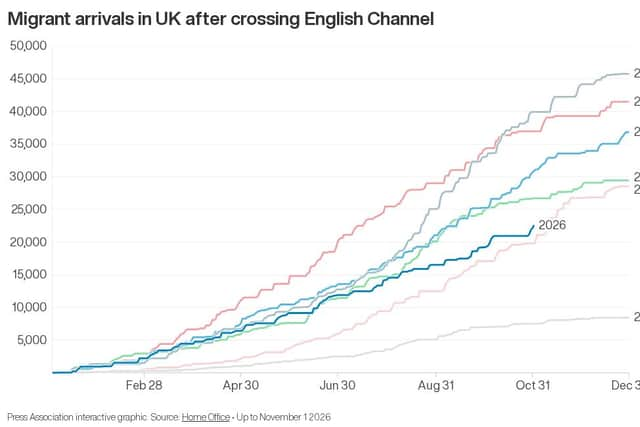
Elsewhere, Ms Mahmood confirmed she would introduce the plan for refugees who arrived in the UK after crossing the Channel by small boat to wait 20 years for settlement, rising to 30 years if they do not enter work or study.
Also under the plans, the right to settled status will no longer be automatic and must be earned.
The highest earners (earning at least £125,141 a year) will be able to settle within three years, while those earning more than £50,271 and some public service workers, including doctors, nurses and teachers, will be able to settle after five years.
Others will settle at a new default of 10 years, Ms Mahmood added.
Anyone seeking settled status will need a clean criminal record, English spoken to the equivalent of A-level English as a foreign language, must not owe debt to the taxpayer, and must have a record of sustained national insurance contributions, the Home Secretary has said.
She told the Commons “everyone will have a fair shot to make their contribution”, and accused the Conservatives of losing control of migration with “significant abuse of the care route”.

The Home Secretary said the Government would address this by “providing a five-year path to settlement for care workers who lived up to the promise that they made on coming to this country – worked hard and answered our call when we needed them”.
She added: “Those who earn £25,000 a year working in the social care sector, which was the condition of their visa, will therefore be able to settle on their existing five-year path.”
Ms Mahmood said those who did not meet the conditions of their visa would be offered “a second chance to make the contribution that they came to this country to make”.
She added: “They will be able to apply for another five-year care visa, and they will not be tied to their old employer, allowing those with rogue sponsors to break away from them.”
Ms Mahmood said workers will be helped to find new positions, adding: “Everyone will have a fair shot to make their contribution, and no-one will be punished for the sins of their employer, but we will also preserve the critical element of this reform: that settlement must be linked to contribution.”
The change means up to 300,000 foreign care workers will be spared from the planned 15-year wait.
Shadow home secretary Mr Philp told the Commons: “A Home Office document which (Ms Mahmood) published on March 5, said that social care workers alone, because they work on lower wages and have brought in many dependents, will actually cost the taxpayer £10 billion.”
He added: “The Home Secretary now proposes to allow every single care worker and their dependents who arrived prior to May 2025, a number running into hundreds of thousands, to stay in this country beyond the expiry of their visa and, in the case of 75% of them, to stay permanently, even though she acknowledges that many of them arrived fraudulently.
“That is the cost of today’s U-turn – £10 billion.”

Nigel Farage branded the decision “the beginning of the capitulation”.
The Reform UK leader added: “That it is a very major U-turn in the position of the Home Secretary is clear, that it will cost this country a vast amount of money is clear.”
But analysis published on Monday found skilled migrants settling in Britain are expected to contribute billions more to the public finances than they cost over their lifetimes.
The Institute for Public Policy Research (IPPR) said skilled migrants and their adult dependants due to settle in the UK under current rules are expected to make a net lifetime contribution of around £115 billion through the taxes they pay.
The think tank, which has been influential in Labour policy-making, said its findings offered a counterpoint to Government estimates that allowing overseas care workers and their adult dependants to settle in the UK would cost taxpayers £10 billion over their lifetimes.
Labour MP Diane Abbott meanwhile warned the Home Secretary is at risk of creating a another Windrush scandal.
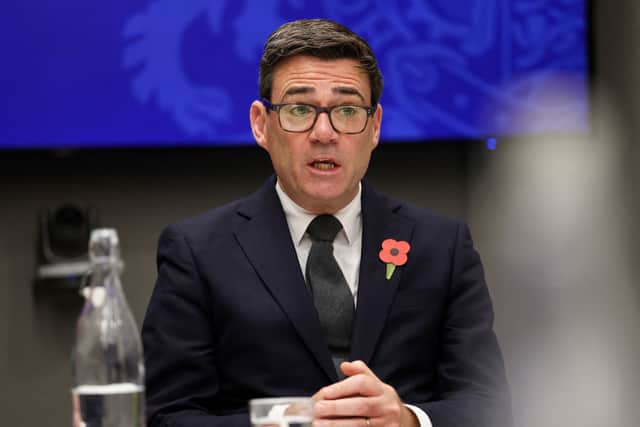
Prime Minister Andy Burnham said it was “only fair that those who are making the most valuable contribution to our communities are given the opportunity to settle earlier”.
Ms Mahmood’s decision has been roundly welcomed by those in the care sector, some of whom branded it a “considerable relief to workers, their families and the people they support” although many warned it will not solve continued staffing challenges in adult social care.
Jon Sparkes, chief executive at learning disability charity Mencap, said the decision will be “welcome reassurance for workers, particularly for many who built their lives around the promise that a five-year route to settlement would remain in place” but he added the “wider challenge has not gone away” with the sector still having a vacancy rate around three times the national average.
The latest report Skills for Care (SfC), which is the strategic workforce development and planning body for adult social care in England, showed there were 96,000 vacant posts in March – down by 11,500 from 2024/25.
The vacancy rate of 6.2% is the lowest since the year to March 2016 and is down from 6.8% last year and the peak of 10.4% in 2021/22, but remains higher than the general UK vacancy rate of 2.1% this summer.
Simon Bottery, senior fellow at The King’s Fund health charity, described the Home Secretary’s decision as “an important recognition of the crucial role migrant workers play in maintaining the social care services people and families rely on” but warned it “should not lull policymakers and those working in the sector into thinking that international recruitment can once again be the answer to workforce challenges”.
The number of posts filled by people with a British nationality, according to the SfC report published last month, fell by 40,000 in 2025/26 – a decrease of 3.6% on the previous year and down by 130,000 since 2020/21 the peak in 2020/21.
Jane Townson, chief executive of the Homecare Association, cautioned that linking “protection to annual earnings of £25,000” could leave at risk victims of exploitation who lost earnings because their sponsor provided too few hours, failed to pay them or lost its licence.
She said: “We need clear safeguards for disrupted earnings, partners and children, and an explanation of how the wider settlement conditions will apply.”
Care England chief executive Professor Martin Green said: “This announcement deserves recognition, but it cannot be the end of the story.
“We need protections that work in practice, certainty for workers and their families, and a system that allows care providers to retain the people our communities rely on every day.”
Indefinite leave to remain (ILR), also known as settlement, is an immigration status that allows a person to live, work and study in the UK indefinitely and apply for benefits if they are eligible.
More than 200,000 responses were submitted to the consultation on Ms Mahmood’s initial proposals.