TV licence fee to increase to £180 a year from April
It is a £5.50 rise on last year’s fee.
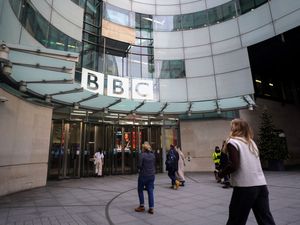
The TV licence fee is to increase from £174.50 to £180 per year from April 1, the Department for Culture, Media and Sport (DCMS) has said.
The DCMS said the £5.50 increase in the fee, which is the predominant method of funding for the BBC, would give the corporation “stable financial footing to deliver for audiences and support the wider creative industries”.
The cost is rising “in line with inflation” as required by the 2022 Licence Fee Settlement, the department said, adding the fee will also rise again in line with CPI inflation in April 2027.
A DCMS statement said: “The Government recognises the financial pressures on households and is committed to ensuring the BBC’s funding model is sustainable, fair and affordable.
“The Government has committed to the licence fee for the remainder of this charter period.
“To support the public with the cost of the TV licence, we will also continue to support the simple payment plan to spread payments through smaller instalments. Free licences remain available for over-75s on pension credit, with reduced fees for care home residents and blind individuals.”

The annual cost of a black and white TV licence will rise by £2 from £58.50 to £60.50 for 2026/27.
It comes as the Government continues the Charter Review Green Paper public consultation on options for BBC future funding.
Welsh language channel S4C, which receives all its public funding from the licence fee, will see revenue increase proportionately, receiving about £100 million in 2026/27, which the DCMS says will “support the growth of the Welsh creative industries”.
It comes after reports last week suggested the BBC is working on ways to use its iPlayer streaming service to find households that have not paid for a TV licence.
The move could see up to 40 million online BBC accounts linked with home addresses for the first time to find households that are accessing the BBC without a licence.
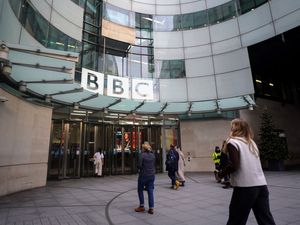
A BBC spokesperson said: “The licence fee ensures the BBC has the financial stability it needs to deliver for audiences and support the creative industries across the UK.
“It funds the full range of BBC services and helps us deliver trusted news, the best homegrown storytelling, and unmissable content that brings people together.
“The Government is currently considering the BBC’s next Royal Charter and future funding arrangements beyond 2027.
“We welcome this debate and have been clear we want reform so we can continue to deliver a public service BBC that is independent, sustainably funded for the long-term, and meets audience needs for generations to come.”
Conservative Party MP Nigel Huddleston, who is the shadow culture secretary, said in response the rise: “It is increasingly difficult to see how the BBC can justify any rise in the licence fee when serious questions remain over its impartiality and governance.
“At a time when households are under real financial pressure from Labour’s economic mismanagement, asking people to pay more for a service that is losing trust is simply not credible.
“Pushing through another increase will only accelerate this decline. Instead of demanding more from struggling families, the BBC should be focusing on getting its house in order.”
Reform UK MP Lee Anderson added: “The BBC has a death wish. With families facing soaring bills and taxes, it is indefensible to demand more money for an institutionally biased BBC. Reform UK would overhaul a national broadcaster that is clearly unsustainable in its current form.”
The Conservative Party, Liberal Democrats and Green Party have been contacted for comment.