
Warning over travel to Cape Verde after dozens of Britons contract stomach bugs
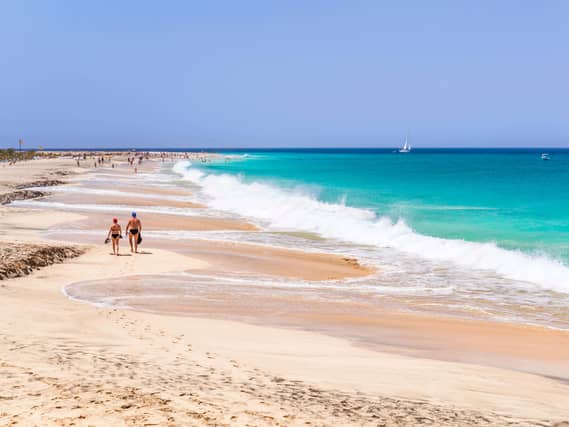

The UK Health Security Agency said it has identified cases of shigella and salmonella linked to travel to the winter sun destination.
Health authorities have issued a warning over travel to Cape Verde after more than 150 people from the UK fell ill with bugs that can cause severe diarrhoea, fever and stomach cramps.
Several Britons are known to have died after contracting stomach bugs while on holiday at the winter sun destination, which is popular with British holidaymakers.
The UK Health Security Agency (UKHSA) said on Thursday its investigation has identified cases of shigella and salmonella linked to travel to Cape Verde.
Led by UKHSA, together with other public health agencies, investigators found that, of the 118 shigella cases reported since October 1 and linked to international travel, some 112 (95%) of those people had been to Cape Verde, the majority to the Santa Maria and Boa Vista areas.
Furthermore, the UKHSA identified increases in cases of salmonella in people who travelled to the holiday destination.
Since October 1, 43 cases of salmonella from three separate clusters – identified using whole genome sequencing techniques – have been linked to travel to Cape Verde, it said.
Irwin Mitchell solicitors are representing the families of the six people who have died and more than 1,500 people who have fallen ill after visits to Cape Verde.
It said four British people died within four months after being struck down with stomach bugs while on holiday there.
Dr Gauri Godbole, deputy director for gastrointestinal infections and food safety at the UKHSA, said: “February is a popular time for winter sun holidays and we want to help families make the most of their breaks by staying healthy.
“Taking a few simple precautions against traveller’s diarrhoea and food poisoning can make all the difference.
“The best way to avoid gastrointestinal infections, including shigella and salmonella, or passing them to others, is simply by washing your hands regularly and thoroughly with soap and water or alcohol gel – particularly after using the toilet, changing nappies, and before eating or preparing food.

“Most episodes of traveller’s diarrhoea are short-lived, lasting for a few days.
“During an episode of diarrhoea and vomiting, it is important to prevent dehydration, particularly for young children, pregnant women, elderly people, and those with pre-existing illnesses as they can develop complications.
“Continue to hydrate yourself with plenty of fluids and consider purchasing sachets of oral rehydration salt before travelling.
“If symptoms worsen or you have underlying medical conditions, please seek advice from your GP or pharmacy.”
A new UKHSA study found local swimming pools, local water and poor sanitary conditions, as well as possible infection from hotel buffets and excursions, can increase the risk of infections like salmonella, shigella, giardia and cryptosporidium.
Elena Walsh, 64, from Birmingham, Mark Ashley, 55, of Bedfordshire, 64-year-old Karen Pooley, from Gloucestershire, and a 56-year-old man all died last year after contracting severe gastric illnesses while on the islands off the coast of west Africa. These cases are being handled by Irwin Mitchell.

Mr Ashley’s wife Emma, 55, said her family are in “complete shock” over his death.
“We went to Cape Verde expecting a relaxing break, but Mark became violently ill and never recovered,” she said.
Three days into their holiday in October, Mr Ashley, a self-employed forklift truck driver, fell ill with symptoms including stomach pain, diarrhoea, vomiting, fever and extreme lethargy, Irwin Mitchell said.
Mrs Ashley, an early years assistant manager, said they booked their more than £3,000 trip with Tui, and she reported her husband’s illness on its app on October 9.
She said she and her husband, who had been married for 26 years, stayed at the five‑star Riu Palace Santa Maria resort in Sal.
The 55-year-old has raised concerns over the hygiene standards at the hotel.
After collapsing at home in Houghton Regis, Mr Ashley, who had diabetes which was controlled through medication, was taken to hospital on November 12 but was pronounced dead minutes later.
Part-time nurse and mother-of-one Ms Walsh died in August 2025 after falling ill while staying at the Riu Cabo Verde resort on the same island.
Ms Pooley, from Lydney, travelled with a friend to the Riu Funana resort in Sal on October 7, 2025 for a fortnight’s holiday costing £3,000 and booked through Tui, the law firm said.
The retired mother-of-two became sick on October 11 with gastric symptoms including diarrhoea, and in the early hours of the next day she slipped on water leaking from a fridge while going to the bathroom.
She was transferred to a local clinic and over the next four days Ms Pooley continued to experience diarrhoea and vomiting, alongside severe pain from her fractured femur.
The 64-year-old was airlifted to Tenerife for urgent care on October 16 and died in the early hours of the next day, lawyers said.
Her husband Andy, 62, said: “We’re utterly heartbroken. Karen was the kindest, loveliest person.
“She was a devoted wife and mum who loved swimming, walking the dog in the Forest of Dean, and volunteered at a local charity shop. She was also a wonderful friend who lit up every room she entered.
“We’re devastated and struggling to understand how she went on holiday and never came home.”
Irwin Mitchell said Ms Pooley’s initial death certificate, issued by the Cape Verde authorities, said she died of multi-organ failure, sepsis, cardio‑respiratory arrest and a broken left leg.
The other two Britons who have died since 2023 are Jane Pressley, 62, of Gainsborough, who died in January 2023 after falling ill while holidaying at Riu Palace Hotel in Santa Maria, Sal, the previous November, and a man in his 60s from Watford.
He died in November 2024 after suffering gastric illness following a trip to Cape Verde, Irwin Mitchell said.
Families of all six people are making personal injury claims for damages against Tui, the provider of many package holidays to the island country.
Jatinder Paul, serious injury lawyer at the firm, said: “In my experience I’m used to supporting holidaymakers who have fallen ill at resorts across the globe, but I’ve never seen repeated and continued illness outbreaks at the same resorts on such a scale over such a period of time.”
The UKHSA has updated its travel advice on the Travel Health Pro website for Cape Verde.
It urges people to choose food that is freshly prepared, fully cooked and served piping hot.
In areas without a reliable clean water supply, drink only bottled or boiled water, including when brushing your teeth, and avoid ice in drinks, it added.
People are advised to only eat fruit they peel themselves and avoid salads that may not have been washed in safe water.
Shigella is a gastrointestinal bug that can cause severe diarrhoea, fever and stomach cramps. It can be caught from contaminated food, water or surfaces.
Salmonella is often caused by eating or handling contaminated food.