
How to choose a hair transplant clinic in Turkey in 2026 and what the procedure entails

A few years ago, travelling abroad for a hair transplant seemed like a complicated decision. Today, it has become a familiar option for people dealing with thinning hair, receding hairlines, and advanced hair loss.
Istanbul is particularly well known for its hair restoration services, attracting patients from Europe, North America, and other regions. However, choosing a clinic involves much more than arranging flights and accommodation.
In 2026, interest in hair transplant Turkey services continues to reflect a growing demand for natural results and modern surgical techniques. Patients are increasingly interested in who performs their procedure, how their donor hair will be protected, and what happens during recovery. Understanding these details before travelling can make the experience more predictable and help patients approach treatment with realistic expectations.
What ıs a hair transplant in Turkey?
A hair transplant is a surgical procedure that moves healthy hair follicles from one part of the scalp to areas affected by hair loss. The donor area is usually located at the back or sides of the head, where hair often remains more resistant to androgenetic alopecia. Once transferred, the follicles can establish themselves and gradually produce new hair.
Turkey has developed a substantial medical tourism industry around this procedure, with Istanbul becoming a major destination. Clinics offer techniques such as Follicular Unit Extraction (FUE), Sapphire FUE, and Direct Hair Implantation (DHI). However, the procedure is not suitable for everyone. A proper assessment must consider the cause of hair loss, donor hair quality, age, medical history, and future changes in hair density.
Why are ınternational patients choosing Turkey in 2026?
Turkey's appeal goes beyond the procedure itself. International patients often appreciate having access to clinics that regularly work with visitors from different countries. Many providers offer translation services, airport transfers, accommodation assistance, and remote consultations. These arrangements can simplify an unfamiliar medical journey, particularly for someone travelling alone.
Another attraction is the range of treatment approaches available. Patients can compare clinics offering different implantation methods and hairline designs. Yet experience varies considerably between providers. A polished website or a large number of online reviews should never replace checking medical credentials, surgical responsibilities, and the quality of aftercare.
How to choose a hair transplant clinic in Turkey
Finding the right hair transplant clinic in Turkey begins with understanding who is responsible for the treatment. A clinic should clearly identify its physicians and explain which professionals perform the important surgical steps. Patients should also ask how their donor area will be evaluated and whether the proposed number of grafts is appropriate.
Before-and-after photographs can provide useful examples, but they rarely tell the entire story. Lighting, hair length, styling, and the timing of photographs can change how a result appears. It is better to review cases involving similar hair loss patterns and ask about the recovery period. Clear consent information, infection control, and access to follow-up care deserve equal attention.
FUE, Sapphire FUE, and DHI: Understanding the differences
Modern hair restoration involves several techniques, but the terminology can sometimes be confusing. FUE refers to extracting individual follicular units from the donor region. Sapphire FUE uses sapphire-tipped blades when creating recipient channels. DHI involves placing harvested follicles using an implantation device, often called a Choi implanter pen.
These techniques are not entirely separate alternatives. FUE describes extraction, while DHI describes implantation. The final appearance depends on graft handling, placement angles, hair characteristics, and surgical planning rather than the instrument alone. A natural hairline usually includes subtle variations in density and direction, reflecting how hair grows without surgical intervention.
Smile hair clinic: Doctor-led hair restoration in Istanbul
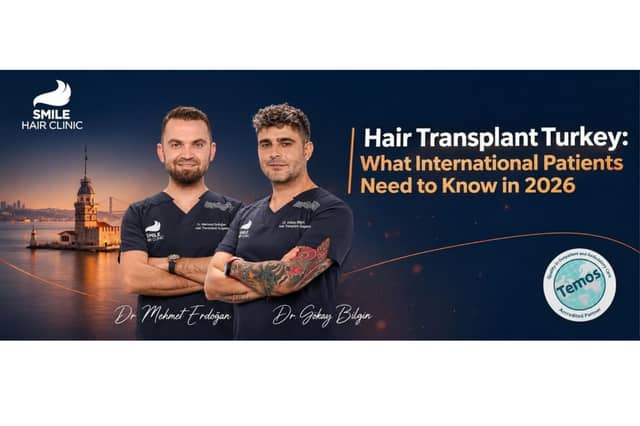
Founded in 2018 by Dr. Mehmet Erdoğan and Dr. Gökay Bilgin, Smile Hair Clinic is an Istanbul-based hair restoration center offering treatments such as Sapphire FUE and DHI. The clinic emphasizes individualized planning, natural hairline design, and medical supervision. It also works with international patients, providing assistance with communication, accommodation arrangements, and the treatment journey.
Dr. Mehmet Erdoğan graduated from Yeditepe University Faculty of Medicine and studied Health Services Management at Anadolu University. His professional background includes clinical practice and international patient management. His areas of focus include Sapphire FUE, donor area assessment, and hairline planning. Dr. Gökay Bilgin graduated from Istanbul University Cerrahpaşa Faculty of Medicine. He has worked in hair transplantation and medical aesthetics, with particular attention to natural hairline design and personalized surgical plans.
Smile Hair Clinic describes its True™ Philosophy as an approach that combines medical planning, patient comfort, and long-term attention to results. The clinic's doctor-founded structure is an important part of its identity. For overseas patients comparing providers, understanding the medical team's responsibilities is particularly valuable. The clinic's approach places emphasis on assessment before surgery and continued communication during recovery, rather than treating transplantation as a single-day appointment.
What happens during the ınitial consultation?
The consultation is where an attractive idea becomes a medical plan. Patients generally provide photographs showing the front, sides, crown, and donor area. These images help the clinical team make an initial assessment, although an in-person examination may change the proposed treatment. Medical history, medications, previous procedures, and the pattern of hair loss should also be discussed.
A thoughtful consultation considers what the hair might look like several years later. A very low hairline may look appealing today but become less natural if surrounding hair continues thinning. For this reason, doctors must balance current coverage with future donor hair requirements. An appropriate plan sometimes involves fewer grafts than a patient originally expected.
Hair transplant Turkey prices: What should patients compare?
Searching for hair transplant Turkey prices is often one of the first steps in planning treatment abroad. However, advertised packages do not always cover identical services. The chosen surgical technique, medical team involvement, graft requirements, accommodation, transfers, and follow-up arrangements can affect the overall package.
Patients should request a written explanation of what is included before confirming a reservation. A comprehensive package may reduce travel-related complications, but convenience should never overshadow medical quality. Understanding who performs the procedure, what happens if complications develop, and whether additional care is available after returning home is more useful than comparing package descriptions alone.
Planning your medical trip to Istanbul
A hair transplant trip requires more preparation than a typical city break. Patients should check passport and visa rules for their nationality, review any travel insurance exclusions, and confirm the recommended length of stay. The clinic should provide clear instructions about medications, alcohol, smoking, and other factors that may affect the procedure.
It is also sensible to leave enough time for initial recovery before travelling home. Planning an intensive sightseeing schedule immediately after surgery is not recommended. Patients may experience scalp sensitivity or swelling and need to follow specific washing and sleeping instructions. A comfortable return journey and access to medical support should be considered before booking flights.
Before travelling, international patients should confirm:
● The clinic's medical credentials and named treatment team.
● The exact treatment plan and services included.
● Passport, visa, and travel insurance requirements.
● Accommodation arrangements and postoperative instructions.
● How medical concerns will be managed after returning home.
What happens on hair transplant surgery day?
The treatment day usually begins with a medical assessment and confirmation of the proposed hairline. The donor and recipient areas are prepared, and local anesthesia is administered. Follicular units are then extracted and implanted according to the surgical plan. The procedure can take several hours, depending on the graft count and selected technique.
After surgery, patients receive instructions about washing, sleeping positions, medication, and protecting the transplanted area. Temporary redness, swelling, and small scabs are common. Some patients experience mild discomfort as the anesthesia wears off. The clinical team should explain which symptoms are expected and which require medical attention.
Hair transplant recovery: When will results appear?
Recovery is often misunderstood because the transplanted hair does not immediately begin growing normally. During the first days, the scalp gradually heals and small crusts form around the grafts. Some swelling may appear around the forehead. Patients are generally advised to protect the treated area and avoid strenuous activity during the early recovery period.
Several weeks later, transplanted hairs may shed. This temporary shedding can be surprising, especially for patients expecting immediate improvement. New growth often becomes noticeable after three or four months. Hair density then develops gradually, and the final appearance may take approximately 10 to 18 months. Recovery photographs taken at consistent intervals can help patients observe genuine progress.
Recovery period:
· First week: Redness, swelling and small scabs
· Weeks 2-6: Healing continues; transplanted hairs may shed
· Months 3-4: Early new hair growth may begin
· Months 6-9: Gradual improvement in visible density
· Months 12-18: More mature results become apparent
Safety, long-term results, and aftercare
Although hair transplantation is generally considered safe when performed appropriately, it remains a surgical procedure. Infection, bleeding, scarring, and poor graft growth are possible complications. Patients should understand these risks before signing consent forms. The experience of the medical team and the quality of postoperative instructions are important factors in managing them.
Another issue is ongoing hair loss. Transplanted follicles may continue growing for many years, but untreated hair around them can still thin. Some people may need additional medical treatment or future procedures to maintain a balanced appearance. International patients should have a clear follow-up plan and know when to seek medical care locally.
Frequently Asked Questions
Is Turkey a good destination for hair transplant surgery?
Turkey offers a wide selection of hair restoration providers, including clinics working regularly with international patients. The important factors are medical qualifications, surgical planning, safety standards, and follow-up care rather than the destination alone.
How can I compare hair transplant clinics in Turkey?
Review the medical team's qualifications, ask who performs each surgical step, and request realistic examples of previous work. A suitable clinic should offer an individualized assessment and explain potential risks without promising guaranteed results.
How long should ınternational patients stay in Turkey?
Many patients plan several days for consultation, surgery, and an initial postoperative review. The appropriate schedule depends on the procedure and recovery instructions. Travel plans should be confirmed with the treating medical team.
Does a hair transplant provide permanent results?
Transplanted follicles can produce long-lasting growth because they often retain the characteristics of the donor area. However, existing natural hair may continue thinning, and no procedure can guarantee an identical result for every patient.
When can patients return to work after surgery?
Some patients return to desk-based work after approximately one week, while others prefer up to two weeks for visible healing. Jobs involving physical exertion may require a longer recovery period.
Why do hair transplant turkey prices differ between clinics?
Differences may reflect surgical techniques, medical involvement, graft requirements, additional services, and aftercare. Patients should compare complete treatment plans and understand exactly what each package includes before making a decision.
Disclaimer: Always consult your GP or NHS consultant before embarking on any private medical or cosmetic treatments. Ensure you have adequate health and travel insurance to cover treatment abroad and check the UK Foreign, Commonwealth & Development Office (FCDO) and the British Association of Aesthetic Plastic Surgeons (BAAPS) for the latest advice The NHS also provides advice on considering cosmetic surgery abroad via the NHS website.