
I got a rare glimpse inside Newport's 15th-century Guildhall - with tales of Henry VIII and the odd unsolved mystery
It has stood on Newport's High Street since the 15th century - although many would be surprised at the changes that have made the town's Guildhall what it is today.
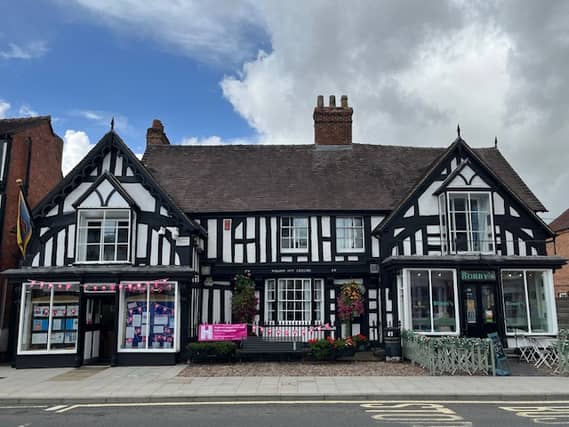


The stunning black-and-white timber building is older than the English Civil War, Henry VIII or Queen Victoria - and it has certainly stood the test of time.
This month people have been given a rare chance to have a proper look around the historical building, as part of the Heritage Open days programme which has been opening up historic sites across the county.
Now home to Newport Town Council (and the occasional wedding ceremony), the Guildhall has changed shape over the years, since it was first created back in the mists of the 1480s.
Looking at it from the outside the peculiar, off-centre roof gives some hints towards the development of the building, which started with one building before other sections were added on.
While much is known about the building it retains a few secrets and mysteries, including the origin of the name which adorns the front of the Guildhall.
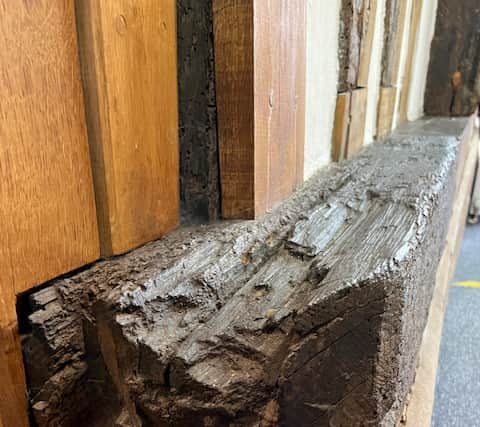
The beam on the front of the building bears the name 'William Gregari' with the date 1615.
Who was Mr Gregari? An important local official? A celebrated philanthropist?
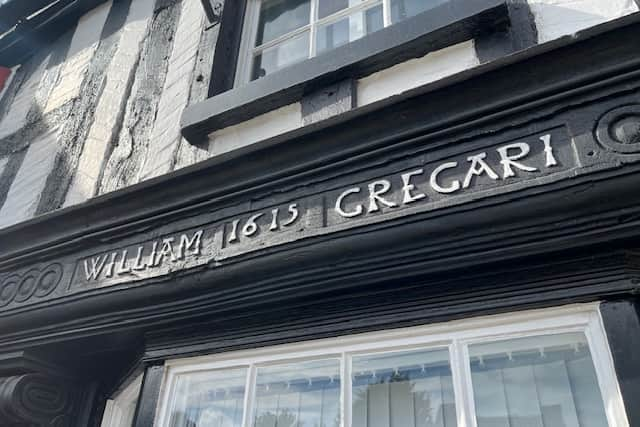
Well the answer... is we don't know. And we also don't know where the beam even came from, or why it was added. The best guess is it was taken from an inn that was being demolished at the other end of the High Street around 1860.
For whatever reason, the result is very important pride of place for Mr Gregari's name - etched in the manner of a senior Roman official.
Regardless of the reason, the detail adds a certain intrigue to the historic building.
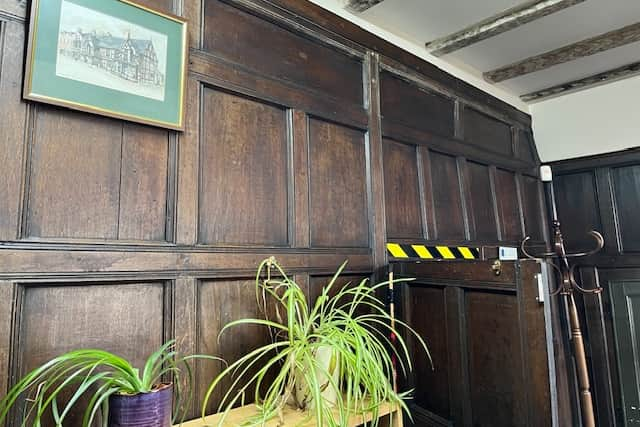
The ground floor, while used today as a modern office, is a timewarp with current-day desks and computers surrounded by centuries-old timber frames, stunning panelling, detailing on beams, giant fireplaces - and even a bread oven.
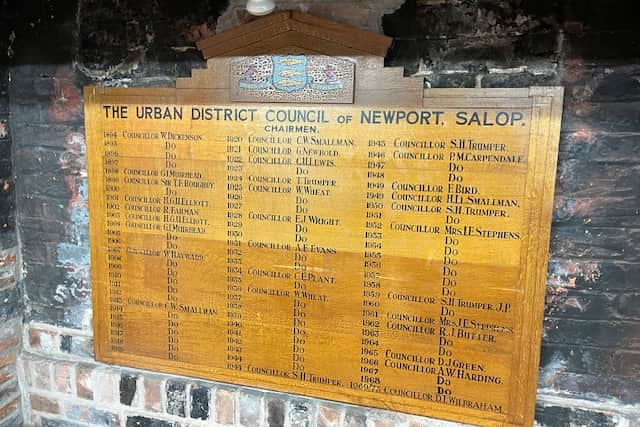
The front office, known as the Rose Room, was initially far taller, with the ceiling only added later.
Its timbers were originally decorated with the Tudor Rose, acanthus, and pomegranates - signifying Henry VIII and his first wife, Catherine of Aragon - a move that almost certainly dates them to before the fickle monarch dispensed of his wife in 1533.
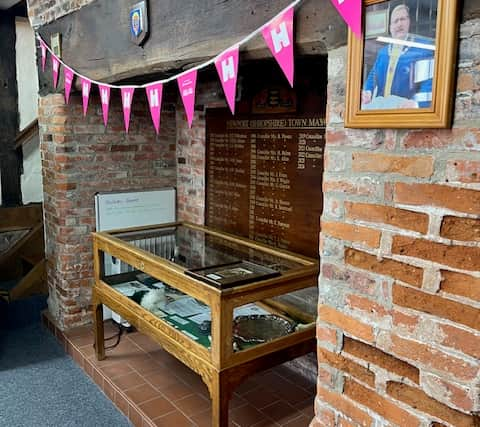
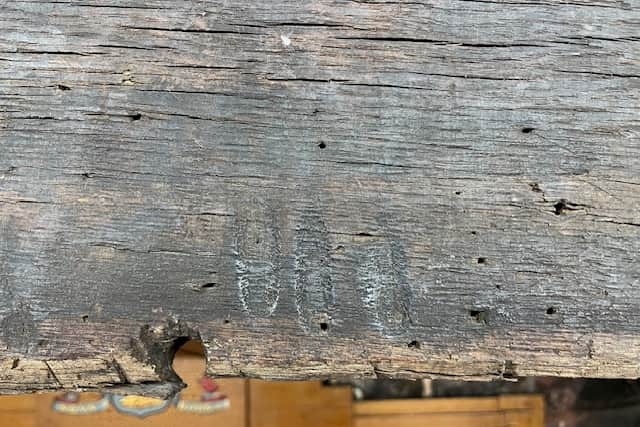
While the decorations have been lost the room still contains the giant fireplace added in 1557 - complete with 'Witches Marks', which were made on the fireplace in the belief they would stop witches coming down the chimney.
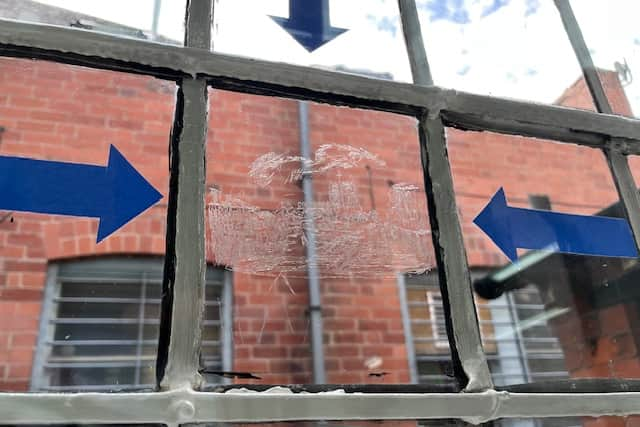
The window in the rear room also contains an almost imperceptible detail - only noticed thanks to the helpful guide who showed me around the building.
One pane of glass features a detailed etching which shows the Church of St Nicholas and the High Street as they appeared in around 1850.
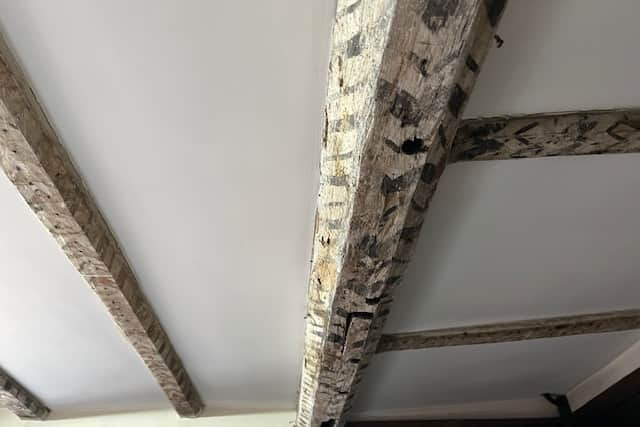
The neighbouring room, known as the Chevron Room, takes its name from the detailed patterns added to the historic beams along the ceiling.
Originally a separate building built in the 1550s, the room is also panelled in wood - although like much of the building it is not original, with the panels brought in and added in the 17th century.
One thing important to remember on any visit: mind your head! The low doorways are astonishingly small, shedding light on just how short people would have been - or their inability to measure and plan effectively.
The first floor of the building, which can only be accessed via a trip back out onto the street and round the corner, reveals the council chamber and antechamber.
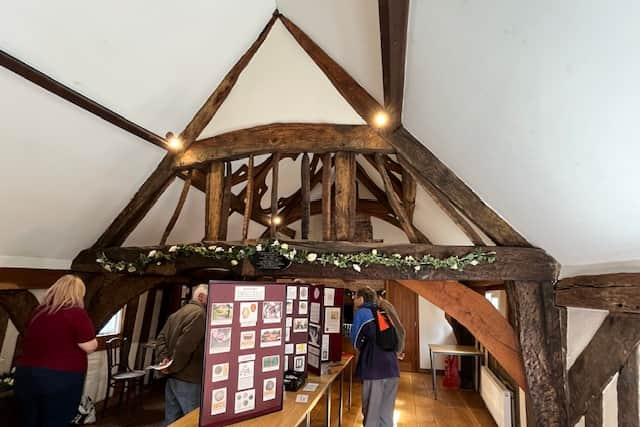
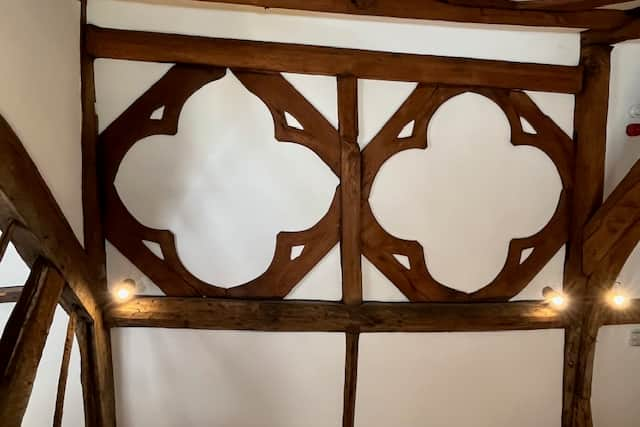
Both are stunning, with original wooden timbers offering a throwback to craftsmanship of yore.
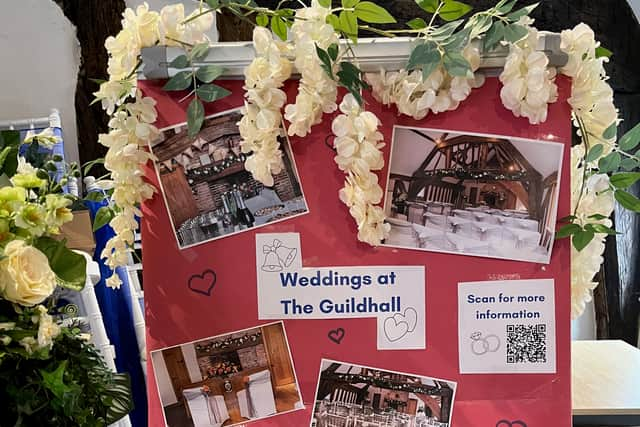
The historic rooms are actually available to hire for weddings, and host a number of the celebrations every year - so if you fancy a Tudor backdrop for your big day, then it provides a perfect, if cosy, venue. Just don't mention Henry VIII.
As part of the open day the chamber included a host of fascinating exhibits, from Civil War cannon balls to incredible artefacts recovered by Newport History Society.
Next time you wander past it's worth considering the life and times of the building that was there long before you - and will likely stand long after you are gone.
Comment Guidelines
Iconic Media encourages reader discussion on our stories. User feedback, insights and back-and-forth exchanges add a rich layer of context to reporting. Please review our Community Guidelines before commenting.