
With a major river running through Shropshire, it’s natural that the county should have some magnificent bridges.
The gem among them all is the world’s first Iron Bridge, still standing proud and counting down to its 250th anniversary in 2029. But bridges also have a shelf life, or suffer misfortune, or fail to keep pace with the times, and a number of attractive bridges have come and gone.
We’ve dipped into our archives to have a look at a few of those disappeared structures which gave good service to Salopians down the centuries but were overtaken by the march of progress.
- You can enjoy this and more with our weekly FREE Nostalgia Newsletter - with scores of archive pictures and exclusive features on the history of Shropshire and Mid Wales - all sent to your inbox every week. Sign up here
- For anyone curious about where their own family story leads, MyHeritage DNA kits are currently £19.90, excluding shipping. The test can help explore genetic origins and identify DNA matches who may share branches of your family tree. This is an affiliate link. We may earn a small commission on items purchased, but that does not affect our editorial judgement.
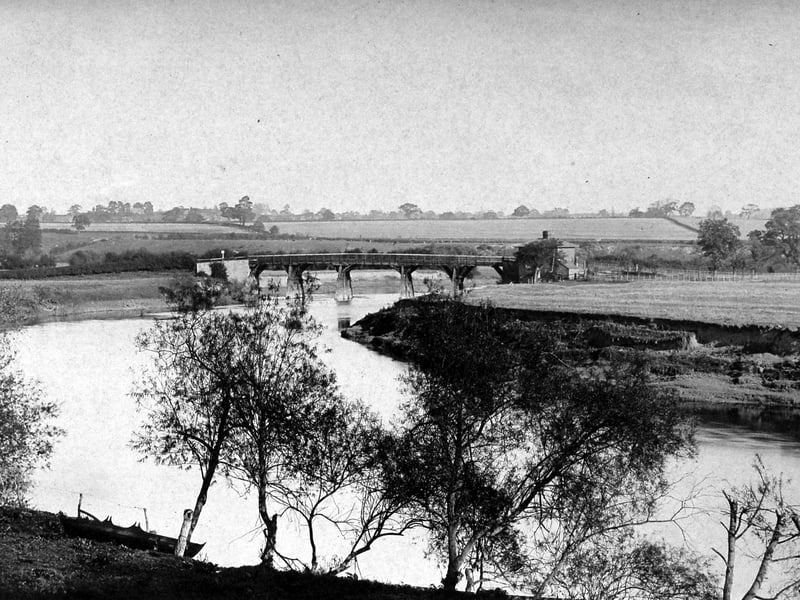
1. Cressage's wooden toll bridge in its final years
The old Cressage Bridge over the River Severn, as seen in a postcard franked on September 12, 1905. The wooden toll bridge was built around 1800. It was demolished in 1912 and replaced by a ferro-concrete bridge. The postcard message was: "Dear Nellie, This is a view of Cressage Bridge over the Severn; we have to pay to go over it. We were expecting Jack on Saturday. Ernest had another fit at the Abbey on Friday; they came down to fetch us about 4.30. It is just ten months since he had one before, Nov. 3rd. Sarah." It was addressed to Miss Wilkinson, Tan House, Sarnau, Llanymynech, and has an Ironbridge franking mark. | Diana Humphreys
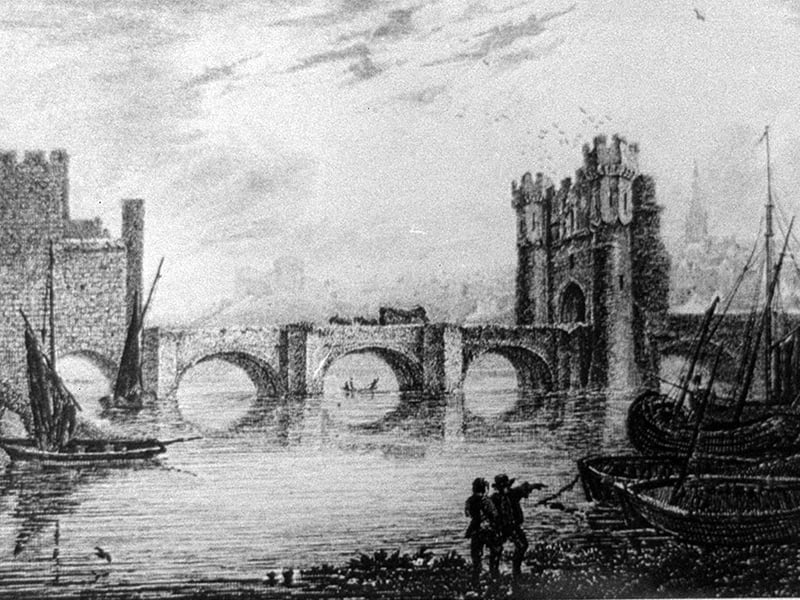
2. Shrewsbury's medieval bridge
They just don't build bridges like this any more. This is the Old Welsh Bridge at Shrewsbury, also known as St George's Bridge, which connected Frankwell with Mardol. According to Historic England it was "variously called St George's Bridge, Walshebrugge and Walshemanne's Brigge. Over the first pier from the Shrewsbury side stood a twin turreted gatehouse, reputedly dating to the reign of Edward I and there was a smaller square gatehouse over the first wet arch from the Frankwell side. The bridge was superseded by the present Welsh Bridge in 1793-5 and was demolished in 1795." This replacement bridge, which of course still stands, was built slightly downstream of the site of the ancient structure. Archaeological investigations in advance of the building of Shrewsbury's Theatre Severn uncovered some traces of the old bridge. | Shropshire Star Photo: Unknown
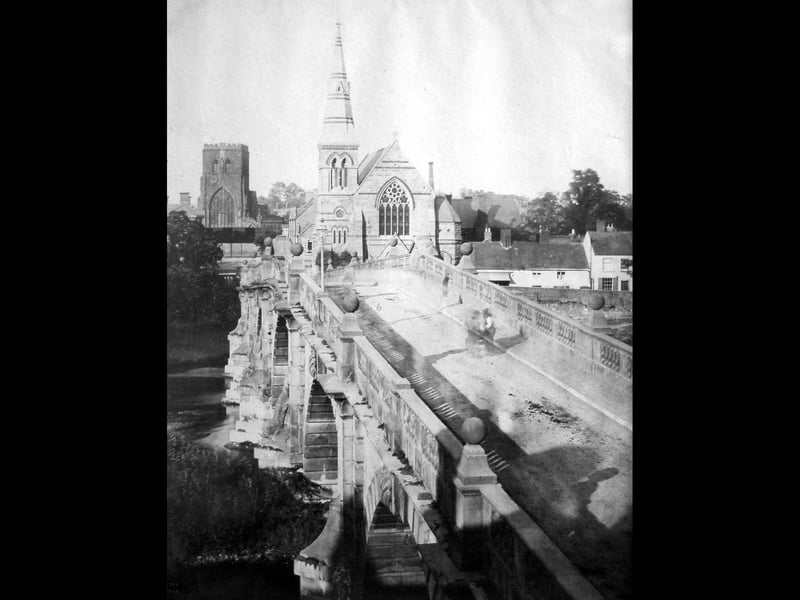
3. The English Bridge as the Victorians knew it
The old English Bridge, Shrewsbury, pictured before 1886 – it could be 1870s or even 1860s maybe. We know it's before 1886 because that was when major restoration was done to Shrewsbury Abbey, which is visible on the left, and the work is not present in the photo. The blurred figures on the bridge also point to this being a very early photo with a long exposure. The bridge was narrow and steep, and was rebuilt in the mid-1920s to make it more suitable for modern traffic needs. | Shrewsbury Chronicle
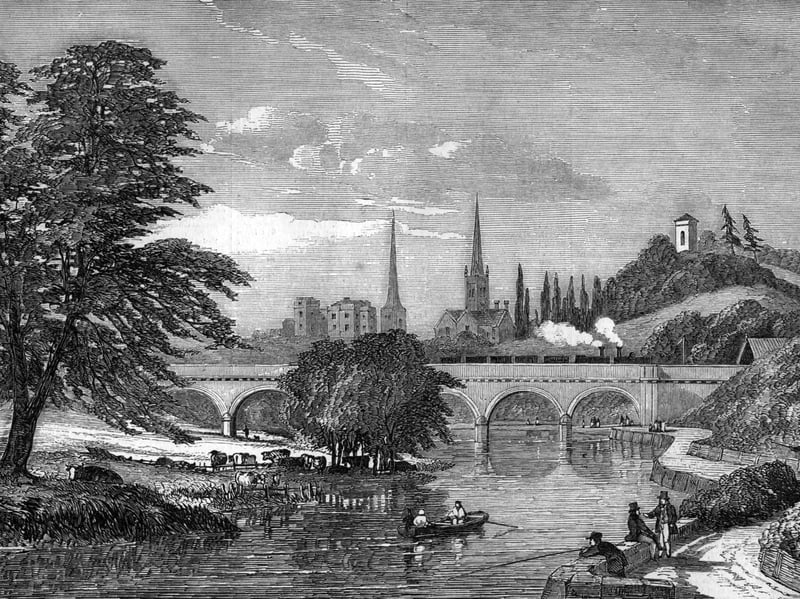
4. First train steams in
A steam train arriving at Shrewsbury in 1849, as seen in an engraving used in the contemporary Illustrated London News captioned "Birmingham and Shrewsbury Railway - viaduct across the Severn at Shrewsbury." This was loaned by Claude Hart of Shrewsbury, who told us at the time: "It shows the arrival of the first train into Shrewsbury from Birmingham in 1849. Of interest is the stone bridge which is now enclosed by the later versions." | Claude Hart