
‘Private property’ signs appear at Shropshire site ahead of ‘village green’ inquiry
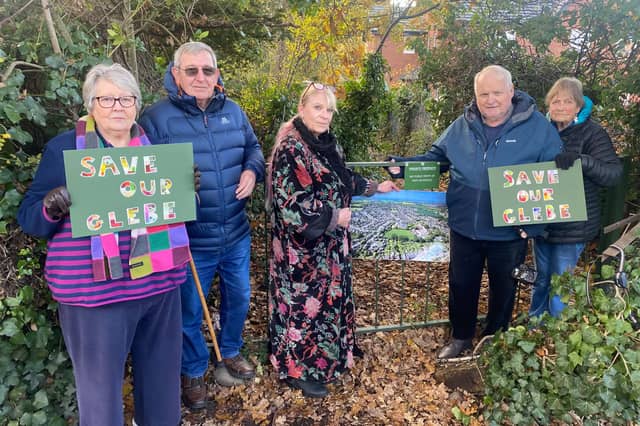

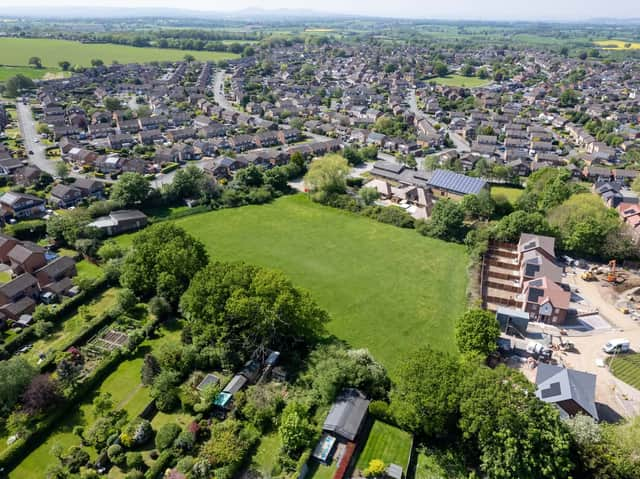
The Lichfield Diocese, which owns the Glebelands, wants to build homes on the site
Signs have again appeared on barriers preventing people from accessing a field that is at the centre of an inquiry.
From next Tuesday (December 1) an independent barrister will determine over three days whether the Glebelands in Bayston Hill is a village green.
The land has been used and enjoyed by generations of people since 1949.
Football matches have been played there and the site also hosted an event marking the late Queen's Platinum Jubilee.
The Lichfield Diocese, which owns the Glebelands, wants to build homes on the site. A planning application submitted in 2023 attracted 200 objections from residents before it was withdrawn.
Shropshire Council’s northern planning committee decided an independent barrister should be appointed to consider the application for it to be considered a village green.
For the application to succeed, villagers must show that “a significant number of people from a locality, or a neighbourhood within a locality, took part as of right in lawful sports and pastimes on the land for at least 20 years”.
They must also demonstrate that this use continued when the application was made. The dispute centres on the legal meaning of “as of right”.
Friends of The Glebe says generations used the land openly and without force, secrecy or permission, believing they were free to enjoy it as part of village life.
The diocese argues that the land was instead used “by right”, meaning access was permitted rather than exercised as an independent right. That distinction will be at the centre of the inquiry.
Metal fences were erected two years ago, preventing people from accessing the land. At the time, the diocese said it understood the upset caused but that the fencing was needed “to protect its interests”.
Now, there are signs on the barriers which say “private property. No public right of way or access”.
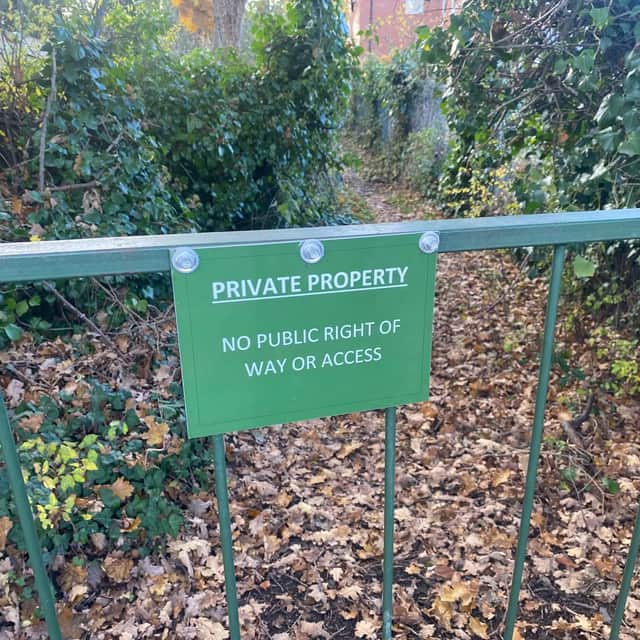
"It’s very disappointing to see these signs go up just a week before the inquiry," said a spokesperson for Friends of The Glebe.
"Villagers have used these paths for decades. At a recent public meeting, many residents spoke about how much the Glebelands means to them.”
A spokesman for Lichfield Diocese said: “The signs are not new. There were similar signs on the land dating from 2023, but these were removed by person or persons unknown.
"Given that the land has been fenced off since November 2024, the signs merely assert our legal claim to the land.
“The fencing is also routinely disrupted and the signs reinforce our legal position. The signs have been planned for some time and are not intended to antagonise.”
Comment Guidelines
Iconic Media encourages reader discussion on our stories. User feedback, insights and back-and-forth exchanges add a rich layer of context to reporting. Please review our Community Guidelines before commenting.