
Star comment: Customers deserve first class service
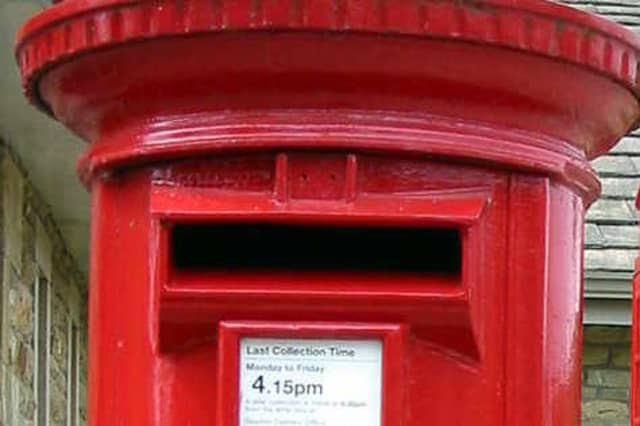

Britain's postal service isn't what it used to be. Few people would argue with that.
Mail deliveries, particularly in more remote corners of Shropshire, seem to be arriving later and later in the day, and many who buy a First Class stamp feel they now get a Second Class service.
It reflects a desperate battle going on within the Royal Mail over the past few years to cope with slimmed-down resources, while striving to adapt, evolve, and fight off private sector competition with very little cash.
So on the surface, the imminent privatisation plans announced today would appear to make sense; generate much-needed funds by selling shares to staff, investors, and members of the public instead of expecting the Government to pump in millions of pounds it cannot afford.
The boom in internet shopping means parcel delivery has become far more important to the Royal Mail than the delivery of letters, which is on the wane in the social media-soaked era.
And bosses believe privatisation will enable the business to 'become more flexible and fleet of foot' to respond to this changing trend.
It should be pointed out, too, that any Royal Mail privatisation won't affect the Post Office, which is now a separate company.
So why, then, are these plans proving so controversial? What has got the unions so hot under the collar?
The Communication Workers Union, which represents the majority of Royal Mail workers, fears that the need to satisfy shareholders will become more important than the need to protect pay and working conditions for its members.
It points to the raft of privatisations under the Thatcher and Major governments of the 1980s and early 1990s which, three decades on, still rancour with many.
There is no doubt that the need to turn a healthy enough profit to convince stock markets of a healthy business does change a management board's focus.
For this latest privatisation to succeed, Royal Mail will certainly need to win over its workforce, selling the idea that it buys them a more secure future.
But, more importantly than that, the company will need to retain the confidence of the ever sceptical general public.
And that will boil down to just one thing. Will a privatised Royal Mail offer a more reliable, trustworthy, value-for-money service?