
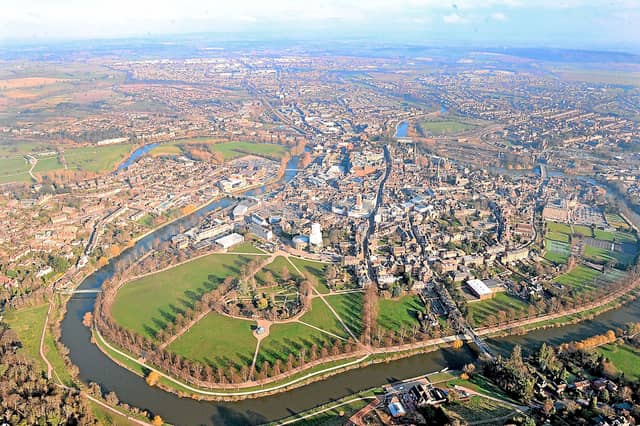

Shrewsbury is a historic town which strives to move with the times while cherishing its heritage.
Visitors walk the streets and enjoy the medieval architecture and the reminders of its past, while modern developments and measures to cope with the tyranny of the motor car can strike a discordant note. It’s a town of constant changes, some of which are small and barely noticed, others which will leave a mark for all time.
Thanks to our archive of old pictures we can see how familiar scenes have evolved. In some cases landmarks have disappeared, in others the changes have been more subtle.
It is a rolling process. In 100 years’ time future Salopians will look back to images of today and mourn all that has been lost or altered in the meantime.
- You can enjoy this and more with our weekly FREE Nostalgia Newsletter - with scores of archive pictures and exclusive features on the history of Shropshire and Mid Wales - all sent to your inbox every week. Sign up here
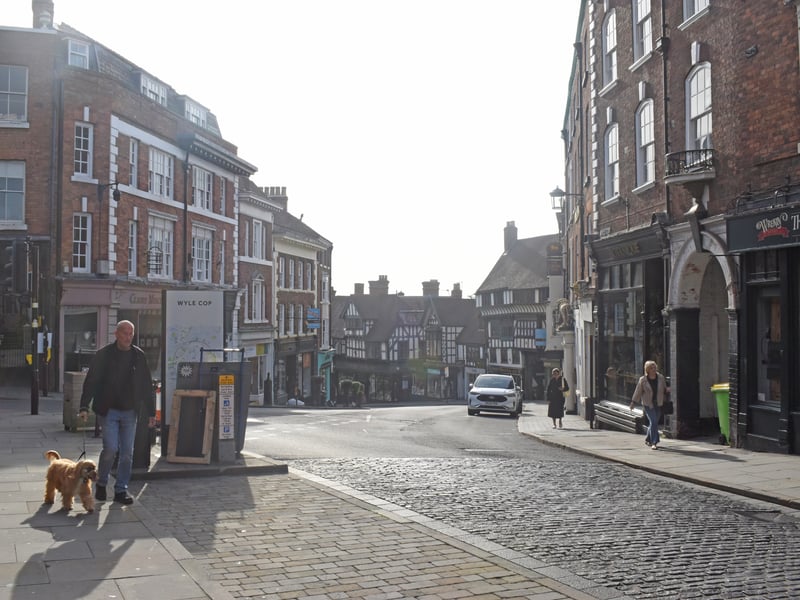
13. A junction transformed
We can't quite replicate the viewpoint of yesteryear, but you can see how the junction with Dogpole has been opened out. The cobbles in the foreground are quite modern, by the way. | Toby Neal
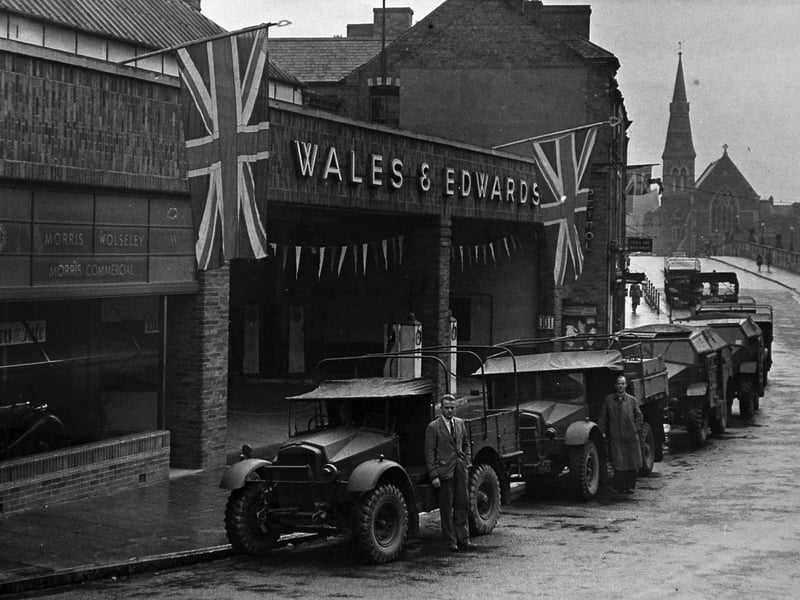
14. Wartime line-up
Military vehicles outside Wales & Edwards in Wyle Cop during World War Two. The company would repair military vehicles during the war, so these are presumably some repaired vehicles. On the other side of the road, at a site called The Barge, it had a repair shop, and military vehicles were repaired there. This picture was loaned by Mrs Sue Overy, whose father was Ray Morgan who worked for Wales & Edwards. He was a service representative in the 1930s and was dubbed The Man And The Van in its literature. | Sue Overy
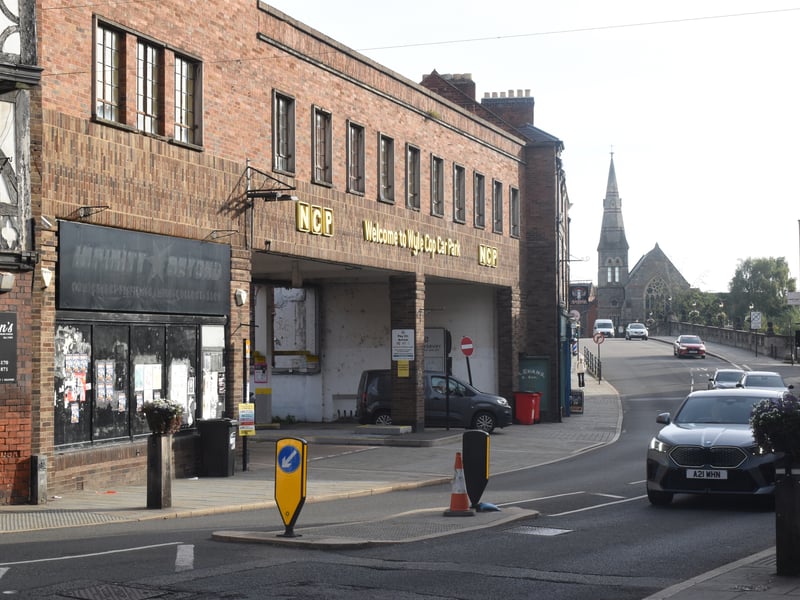
15. Parking place
What was once Wales & Edwards is now Wyle Cop car park, run by NCP, with the frontage now a facade, with the structures behind removed. In the distance, over the other side of the English Bridge, is Shrewsbury United Reformed Church. | Toby Neal
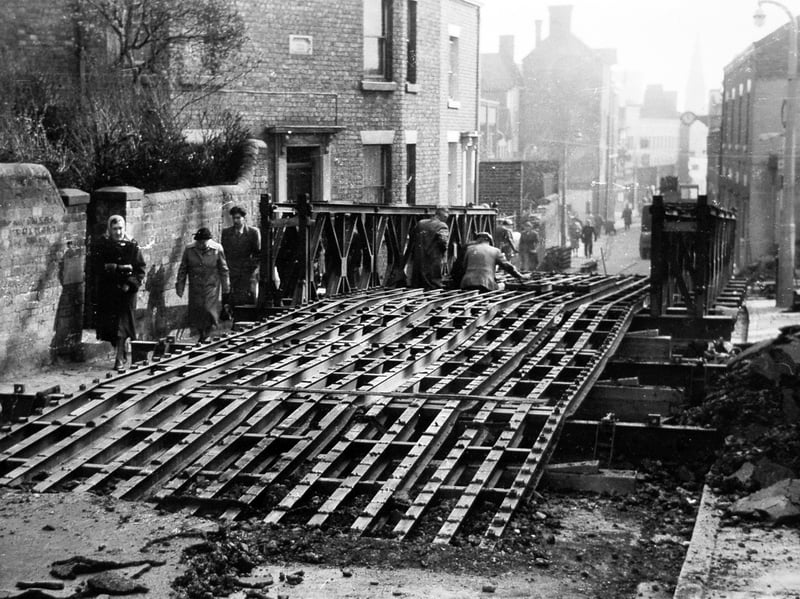
16. It rang a bell
What's going on here? That was the question the late Russell Mulford had asked about this photo in his collection taken at Town Walls in the 1950s. He quickly got an answer that it was connected with the opening of the new telephone exchange on Town Walls. Russell told us: "According to retired BT engineer John Wall, it was one of the most complicated operations involving the telephone service in Shropshire. It meant diverting cables from the existing exchanges behind the Post Office on Pride Hill and the secondary exchange at Monklands on Abbey Foregate, taking them to a centre point on Town Walls, at the same time keeping the traffic moving, and maintaining the telephone service. So they decided to build a Bailey bridge, army-style, over the chasm or chamber where the lines and services fed in. This allowed traffic to run, while all the cables could be connected by the team working underneath. On the big day someone threw a switch and the telephone service continued without the public realising what a complicated operation this involved, particularly the remit of achieving a 'no break transfer' from the old exchange to the new. Mr Wall said the cost must have run into millions, even in the 1950s. Today's cost would be astronomical." | Russell Mulford