
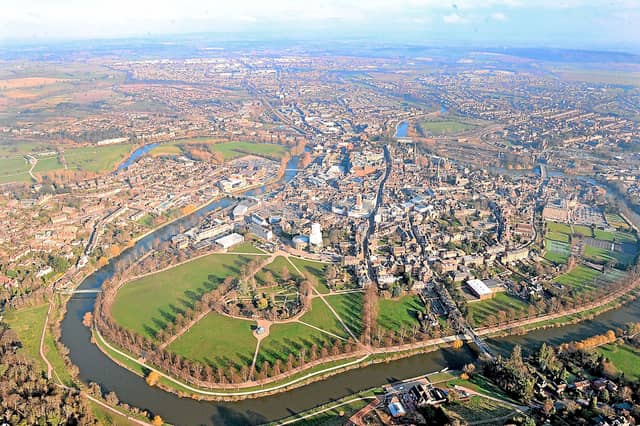

Shrewsbury is a historic town which strives to move with the times while cherishing its heritage.
Visitors walk the streets and enjoy the medieval architecture and the reminders of its past, while modern developments and measures to cope with the tyranny of the motor car can strike a discordant note. It’s a town of constant changes, some of which are small and barely noticed, others which will leave a mark for all time.
Thanks to our archive of old pictures we can see how familiar scenes have evolved. In some cases landmarks have disappeared, in others the changes have been more subtle.
It is a rolling process. In 100 years’ time future Salopians will look back to images of today and mourn all that has been lost or altered in the meantime.
- You can enjoy this and more with our weekly FREE Nostalgia Newsletter - with scores of archive pictures and exclusive features on the history of Shropshire and Mid Wales - all sent to your inbox every week. Sign up here
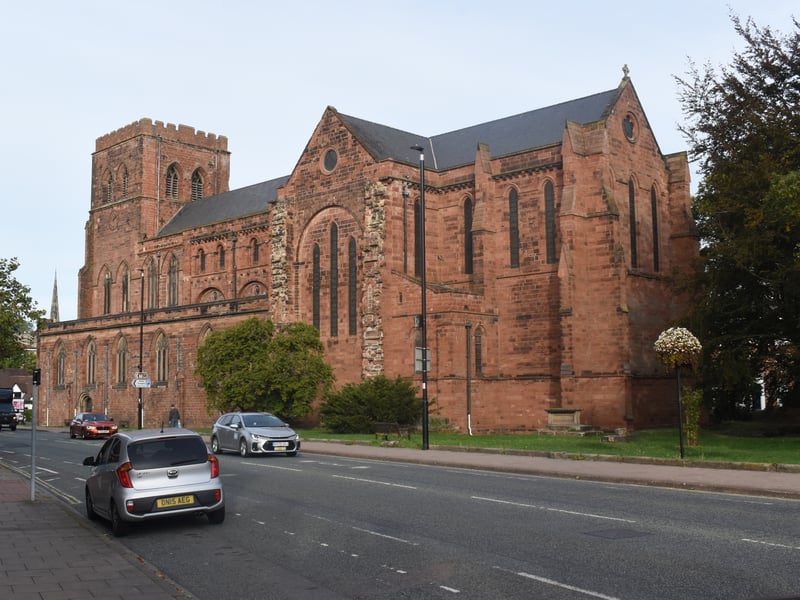
9. Three muted cheers for Thomas Telford
That Thomas Telford, he was an unsentimental cuss. When he brought road improvements to Shrewsbury in the early 19th century he simply drove his new London-Holyhead road straight through the abbey complex, causing irreparable damage to the monastery precinct. Previously traffic had gone round the back of the abbey. | Toby Neal
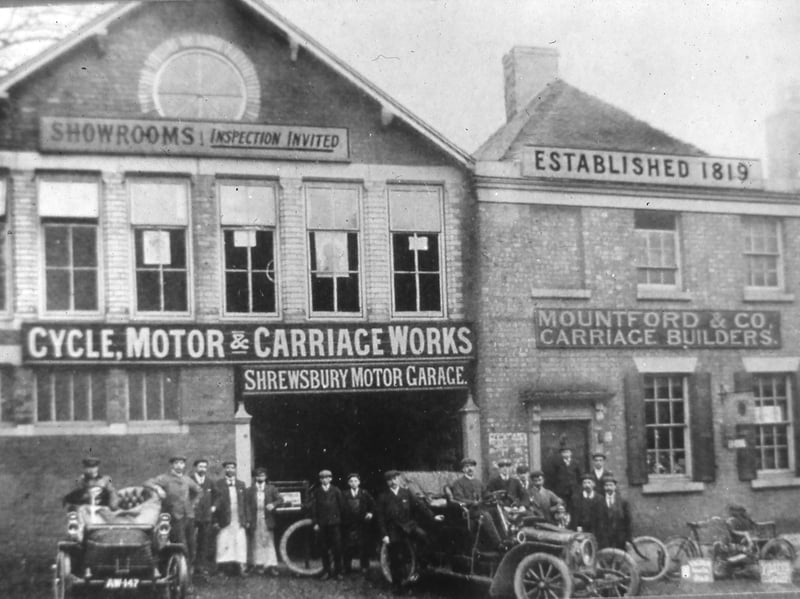
10. Showing off their motors
Shrewsbury Motor Garage on Dogpole. This photo came from the Greenhous archive and the details with it are: "Third premises owned by Greenhous, until 1921, Dogpole, Shrewsbury. Moved to Shrewsbury in 1912 to Meadow Place on the site of the Beaconsfield Club, then moved to Milk Street - a converted stable and tack room. Moved to Dogpole approx 1915-1921. Then to Greyfriars Motor Works, St Julians Friars." As the car on the left clearly dates from before 1915, the picture must be from the days before Greenhous' arrival, but after 1903, the year when an act was passed requiring cars to display number plates. | Roy Pilsbury
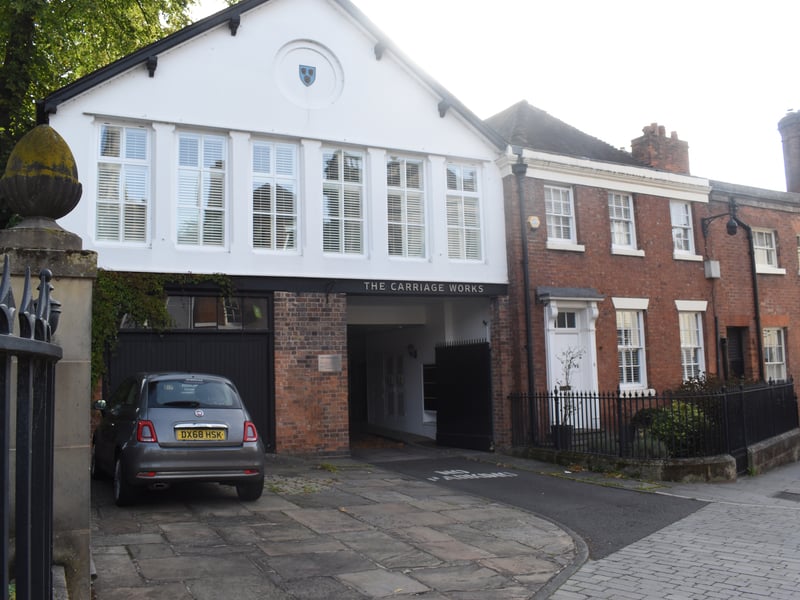
11. Still a car outside
A plaque on the building tells of its history: "The Carriage Works. From 1819 for almost 100 years The Carriage Works housed renowned carriage builders Mountford & Co." Today we all drive horseless carriages, an example of which is on the left. | Toby Neal
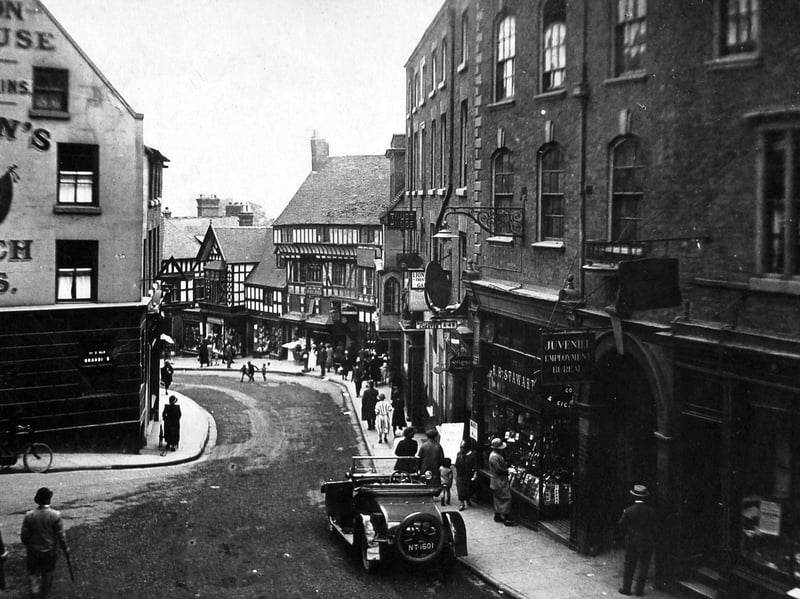
12. Narrow view
Just over a century ago the top of Wyle Cop looked much the same as today, buildings-wise, but there was a significant difference. The road at this point was significantly narrower than it is now. Work to set back the shops on the left took place in 1926, so it was a busy time for this part of the county town as a little further on they were digging out the foundations for the new English Bridge at the same time. | Shropshire Star archive