
Shropshire A&E visits drop by a third - prompting plea for sick not to ignore problems
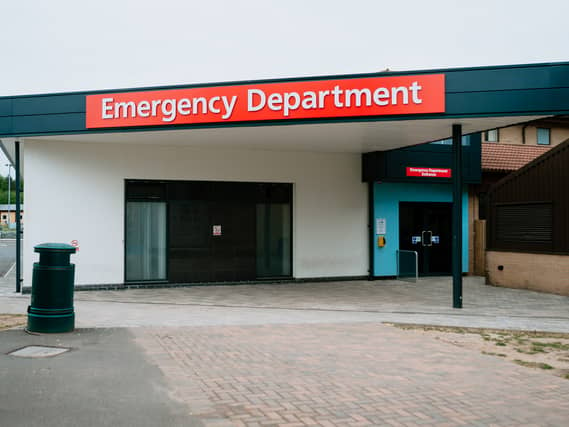

A&E visits dropped significantly at Shropshire's major hospitals during March, new figures show.
It comes amid fears people with serious health conditions are avoiding hospital during the coronavirus pandemic, with the head of the NHS issuing a plea for the sick not to ignore problems until they are too late.
NHS England figures show there were 8,389 A&E attendances at Shrewsbury and Telford Hospital NHS Trust (SaTH) in March – 3,775 fewer than a year previously, a 31 per cent drop.
The figures are a stark contrast to the situation at the trust's hospitals – Princess Royal Hospital (PRH) Telford and Royal Shrewsbury Hospital (RSH) – at the turn of the year, when it had the worst figures in the country for 12-hour trolley waits, and was also one of the worst in England for meeting the Government's four hour A&E target.
It reflects the picture across England, where accident and emergency departments were at their quietest for any month on record.
More Covid-19 coverage:
Attendances dropped to 1.5 million nationally – 29 per cent below the same month a year earlier.
The hospital trust has urged people needing medical help, not to put it off, and said its emergency departments remain open and able to treat patients.
Dr Arne Rose, medical director at The Shrewsbury and Telford Hospital NHS Trust (SaTH), which runs RSH and PRH, said: “Whilst the general advice is to stay at home as much as possible, and whilst we do have restrictions on visiting to our hospitals, it is important that people who need emergency care get that care as soon as possible.

"Some people may think that they are doing the right thing by not contacting their GP or not coming to A&E, but they could actually be making things worse for themselves in the long run. Our Emergency Departments are only for serious injury, severe illness or medical emergencies but, throughout this outbreak, they remain open and ready help."
The trust's Urgent Care Centres (UCCs) at PRH and RSH have also temporarily relocated to the Minor Injury Units (MIUs) in Whitchurch and Bridgnorth to form two Urgent Treatment Centres (UTCs).
The two new UTCs are providing treatment for patients where their care needs are urgent, but non-life threatening and people with major injuries and illnesses, such as head injuries and breathing difficulties should still attend A&E. The UTC in Bridgnorth is open from 9am to 9pm, seven-days-a-week, and in Whitchurch, from 9am to 5pm, Monday to Friday.
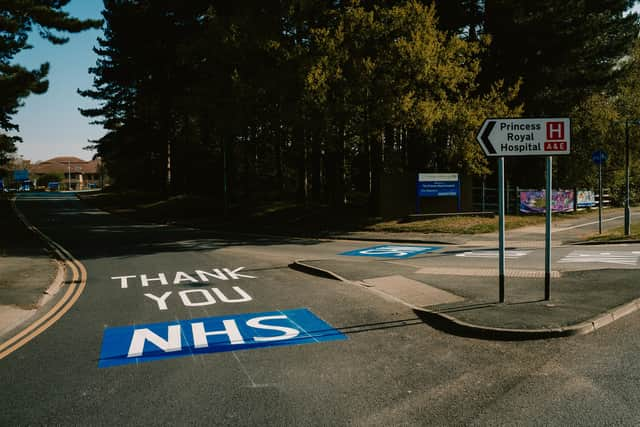
The Royal College of Emergency Medicine says it is concerned the drop could mean people with serious health problems are avoiding A&E, for fear of catching the coronavirus.
President Dr Katherine Henderson said: “The most important thing the public can do at the moment is to stay indoors and follow the Government’s advice.
“But do seek medical help if you need it – don't stay at home with a heart attack out of fear.
“Our emergency departments have specific areas for Covid-19 patients, and we treat other ailments in another part.
“Our healthcare system is still open for business and you will be seen.”
The British Heart Foundation said separate data shows the number of people attending emergency departments across England with symptoms of a possible heart attack halved during March.
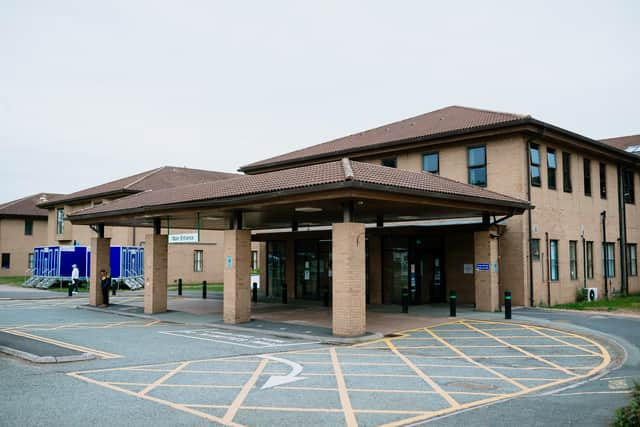
Dr Sonya Babu-Narayan, associate medical director at BHF, urged people to call 999 immediately if they have any symptoms of a heart attack.
She added: “These are uncertain times, and it’s understandable that people might feel apprehensive about having to go to hospital or putting unnecessary strain on the NHS. But heart attacks don’t stop for a global pandemic.
“Don't delay because you think hospitals are too busy – the NHS still has systems in place to treat people for heart attacks and they are still a top priority.”
NHS chief executive Sir Simon Stevens recently launched a new drive to persuade the public to seek urgent care and treatment when they need it.
He added: “While NHS staff have pulled out all the stops to deal with coronavirus, they have also worked hard to ensure that patients who don’t have Covid-19 can safely access essential services.
“So whether you or a loved one have the symptoms of a heart attack or stroke, are a parent worried about their child or have concerns about conditions such as cancer, you should seek help in the way you always would.
“Ignoring problems can have serious consequences – now or in the future.”
Comment Guidelines
Iconic Media encourages reader discussion on our stories. User feedback, insights and back-and-forth exchanges add a rich layer of context to reporting. Please review our Community Guidelines before commenting.