
Baffled by the Budget?

The Shropshire Star's business correspondent Neil Thomas offers a brief guide to what those tax-related and budgetary terms actually mean.
Chancellor of the exchequer
The chancellor (as he is commonly referred to as) is the cabinet minister responsible for all economic and financial affairs, save monetary policy, responsibility for which was devolved to the Bank of England in 1997.
Air Passenger Duty
A tax levied on all passengers flying out of UK airports. European economy class short-haul passengers currently pay £10 (£20 for business and first-class passengers); long haul passengers pay £40 (£80 for business and
first-class passengers).
Income tax
A tax levied on money you earn, either in the form of wages for individuals, the profits from your business if you're self-employed, or from government benefits such as a state pension. Those with higher incomes pay a higher rate of tax. However, you do not pay tax on all of your income. All UK residents have a personal tax allowance which, for the 2006-7 tax year, is £5,035. You are not taxed at all on anything you earn up to this amount.
Inheritance tax
Inheritance tax is the tax that is paid on your ?estate. Broadly speaking this is everything you own at the time of your death, once all your debts have been taken into account. It's also sometimes payable on assets you may
have given away during your lifetime. Assets include things like property, possessions, money and investments. The current inheritance tax threshold is £300,000. If your estate is worth less than this amount, then your relatives will not be liable to pay inheritance tax. However, anything over this amount will be taxed at 40 per cent.
National Insurance
If you earn above a certain amount each month, as well as paying income tax, you also pay a National Insurance contribution. Your National Insurance helps to build up your entitlement to certain social security benefits,
including the State Pension.
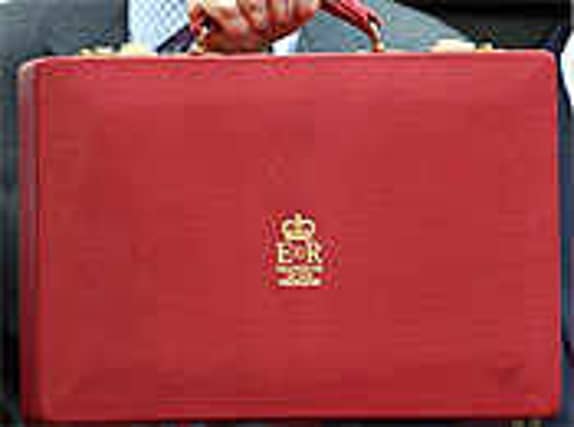
Red box
Red wooden boxes are used by government ministers on a daily basis to transport important documents. However, undoubtedly the most famous red box is that brandished by the Chancellor on Budget day. A red briefcase was first used by William Gladstone to transport his Budget speech in April 1860. Amazingly, the original box was used by subsequent chancellors until 1965, when James Callaghan replaced the tattered old briefcase with a shinynew one. Standards of craftsmanship had obviously deteriorated Gordon Brown saw fit to have a new red box constructed just 32 years later in July 1997.
Stamp duty
Stamp duty is the tax you pay when you buy property (Stamp Duty Land Tax) or shares (Stamp Duty Reserve Tax). However, it is most commonly discussed in terms of property (SDLT). The current property stamp duty threshold is £125,000. That means if you buy a home in the UK worth more than £125,000, you have to pay stamp duty on the purchase. As with income tax, stamp duty is a progressive tax, in that the more expensive the property is, the more you will pay in stamp duty. You pay one per cent for homes worth between £125,000 and £250,000; three per cent on homes worth £250,000 and £500,000; and four per cent on properties worth more.
Fiscal Drag
Where tax thresholds are either not adjusted for inflation, or fail to keep pace with earnings growth. In either case this causes an automatic rise in tax revenues. For example suppose you earn £20,000 a year and are liable to 20 per cent tax on earnings above a threshold of £5,000 per year. It means you pay 15 per cent of income. Now suppose that due to inflation, your wage goes up by five per cent, but the government only increases the tax threshold by two per cent. You must now pay 15.14 per cent. The proportion of income as tax has increased and this is fiscal drag.
Stealth tax
A term coined by the Conservatives, but now in common usage, referring to taxes levied by the government in such a way that they are difficult to identify. 'Stealth taxes' generally refer to taxes on items such as cigarettes, alcohol and petrol.