
Urgent call to Shropshire residents to help protect pollinators and local biodiversity
South Staffordshire’s beekeepers are urging residents to participate in the “No Mow May” initiative to help protect local biodiversity and prevent a serious decline in pollinators.
With one-third of the food we eat reliant on pollination, the disappearance of bees could have far-reaching consequences for both our environment and food supply, according to the South Staffordshire & District Beekeepers Association.
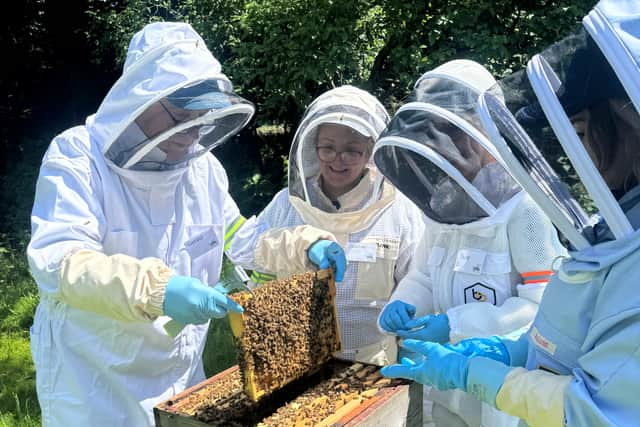

Chairwoman Wendy Woodward said taking part in the No Mow May campaign will help provide much-needed habitat and food for bees, butterflies, and other essential pollinators at a time when they need it most.
Launched by the charity Plantlife, No Mow May encourages individuals to leave their lawns uncut throughout May, allowing wildflowers and grasses to thrive: A simple step making a significant impact in supporting the future of pollinators and our food security.
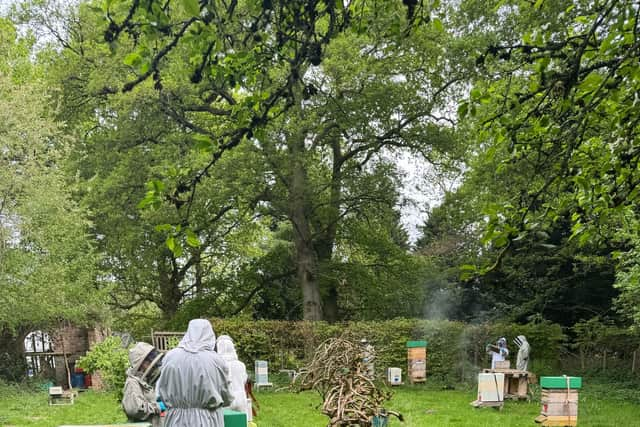
Impact of pollinator decline is “felt far beyond the fields where bees buzz”
Mrs Woodward said: “The impact of pollinator decline is felt far beyond the fields where bees buzz. Without pollinators, our crops, flowers, and much of our natural world would cease to exist.
“No Mow May offers a simple but powerful way for people to help reverse this worrying trend. A little extra time for your grass to grow can give bees the food they desperately need to survive and thrive.
“Leaving your lawn to grow for just a few weeks can give our local bees the boost they need by providing crucial early spring resources that are vital food sources. Each small action really does make a difference.”
No Mow May is an “easy and effective way to make a lasting impact”
Loss of habitat, climate change, and the use of pesticides like Round-Up are all contributing to the decline of vital pollinators.
South Staffordshire beekeepers also encourage residents to consider planting additional bee-friendly plants such as lavender, clover, and dandelions to further support local ecosystems.
For more on how you can create a bee-friendly garden, please visit plantlife.org.uk/how-to-make-a-pollinator-friendly-garden
Residents can also find more information about the No Mow May campaign at plantlife.org.uk/campaigns/nomowmay and more on beekeeping and bee conservation at southstaffsbeekeepers.com