
Property improvement grant helps bring vacant Oswestry building back into use
Property improvement grant helps bring vacant Oswestry building back into use
A long-vacant building in Oswestry town centre is being brought back into commercial use with support from Shropshire Council’s Property Improvement Grant scheme, offering a positive example of how targeted funding can help revive high streets.
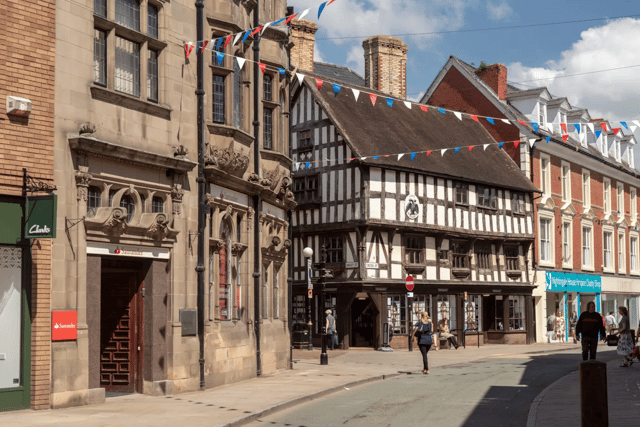

The grant, funded through the UK Shared Prosperity Fund, is designed to support improvements to commercial properties and help bring empty or underused spaces back into productive use. In Oswestry, that means a building that had stood vacant for a long period is now being refurbished for business use, contributing to wider efforts to strengthen the town centre.
For market towns such as Oswestry, empty buildings are more than a visual problem. They can affect confidence, reduce footfall and create gaps in otherwise active streets. When properties remain unused for years, they can make areas feel less vibrant and less attractive to shoppers, visitors and potential investors.
Bringing a vacant building back into use can therefore have an impact beyond the individual premises. A refurbished commercial unit can create space for a new or expanding business, attract customers, support jobs and encourage neighbouring property owners to invest. Small improvements can build momentum.
The Oswestry project shows why construction and refurbishment should be seen as part of local economic development. New-build schemes often attract more attention, but restoring existing buildings can be just as important. Many town centres already have the buildings they need; the challenge is making them suitable for modern use.
Older commercial properties can require significant work before they become viable again. Issues may include outdated wiring, poor energy efficiency, damp, accessibility problems, tired shopfronts, structural repairs or layouts that no longer meet business needs. For small firms or landlords, those upfront costs can be difficult to justify without support.
Property improvement grants can help bridge that gap. By reducing the financial risk of refurbishment, they can unlock private investment and encourage owners to act sooner. This is particularly useful in towns where commercial rents may not be high enough to make renovation easy without some form of assistance.
For Oswestry, the benefits could be felt by local residents as well as businesses. A more active town centre gives people more reasons to shop locally, use services and spend time in the area. It can also help retain money in the local economy, especially when independent firms occupy refurbished premises.
The project also supports the idea of reuse over neglect. Refurbishing existing buildings can be more sustainable than leaving them empty or demolishing them unnecessarily. It makes use of the embodied materials already in place and can help preserve the character of historic town centres.
However, refurbishment projects can be complicated. Older buildings often reveal problems once work begins, and contractors may need to adapt quickly. Managing costs, materials, timescales, safety and specialist trades is essential if a project is to stay on track. The wider construction industry increasingly relies on better tools for coordination, data and project visibility to manage these moving parts, whether work involves a major development or a smaller town-centre refurbishment.
For local councils, schemes like this also require careful administration. Funding must be targeted where it can make a measurable difference, and projects need to demonstrate value for money. The goal is not simply to improve one building, but to support wider regeneration.
That is why location matters. A vacant property in a prominent town-centre spot can affect how people feel about an entire street. Bringing it back into use can improve the appearance of the area and show that investment is happening.
Oswestry has a strong identity as a market town, with independent shops, heritage, hospitality and a role as a service centre for surrounding rural communities. Keeping its commercial buildings active is essential to that role. If residents can access more services locally, and visitors find a lively town centre, the wider economy benefits.
There is also a business confidence angle. When entrepreneurs see refurbished premises becoming available, they may be more willing to start up, relocate or expand. Empty units can suggest decline, but improved buildings suggest opportunity.
The success of such projects will depend on what happens after refurbishment. A building must not only look better; it must be suitable for long-term occupation. That means reasonable running costs, good accessibility, practical layouts and a use that fits local demand.
Energy efficiency is particularly important. Businesses are still dealing with high operating costs, and poorly insulated buildings can be expensive to heat and maintain. Improvements that reduce running costs can make premises more attractive and help businesses stay viable.
For Shropshire’s wider high streets, the Oswestry example may offer a useful model. Large regeneration schemes have their place, but smaller targeted interventions can also make a real difference. One revived building may lead to more active frontage, more footfall and more confidence.
The Property Improvement Grant is therefore more than a building repair scheme. It is a tool for local renewal. By helping property owners bring vacant spaces back into use, it supports enterprise, protects town-centre character and encourages investment in places that residents care about.
For Oswestry, the return of a long-empty building to commercial use is a positive step. It shows that with the right support, neglected spaces can become useful again.
At a time when many high streets are adapting to changing shopping habits and economic pressures, that matters. Reviving vacant buildings is not a quick fix for every challenge, but it is a practical and visible way to help town centres move forward.