
Shropshire's super smooth ancient Romans were 'trendsetters' of hair removal
They've given us medicine, sanitation, education, the roads, the fresh water system and public order – but what have the Romans really ever done for us?
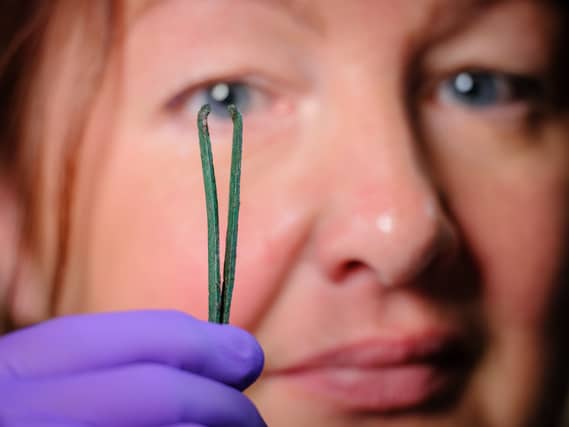

Well, according to experts at English Heritage, they popularised the painful practice of removing unwanted hair from the body by plucking it out with a tweezer.
The no-body-hair trend can be traced back as far as ancient Rome, with large collections of tweezers recently having been found at Wroxeter Roman City, near Shrewsbury.
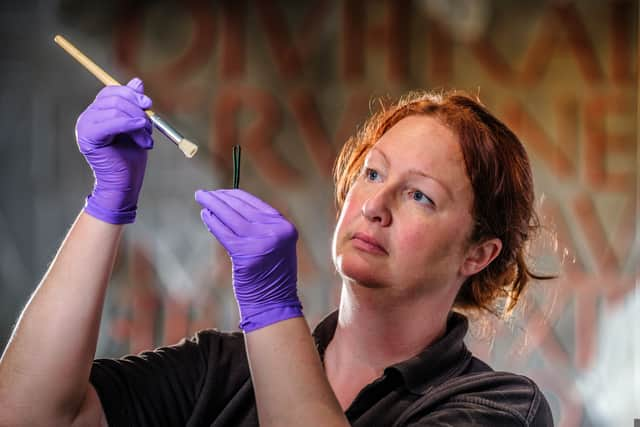
More than 400 artefacts are now on display at the museum which relate to Roman cleanliness and other beauty practices, including a strigil (for skin scraping), perfume and oil bottles, jet and bone jewellery, make-up applicators, figurines of deities and amulets to ward off evil.
Wroxeter Roman City and the new museum will open to the public on Thursday.
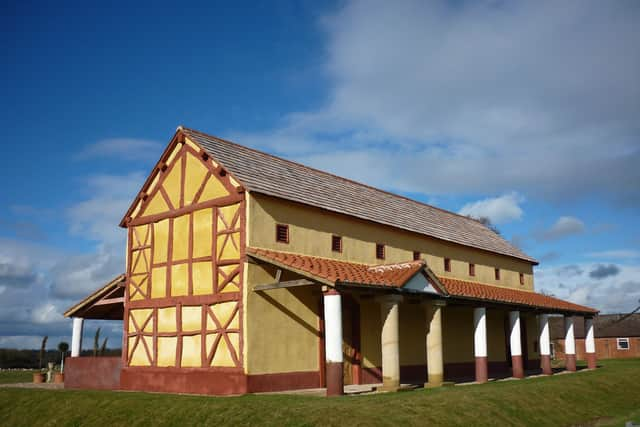
Cameron Moffett, English Heritage curator at Wroxeter Roman City, said: “At Wroxeter alone we have discovered more than 50 pairs of tweezers, one of the largest collections of this item in Britain, indicating that it was a popular accessory.
"The advantage of the tweezer was that it was safe, simple and cheap, but unfortunately not pain free.
"It may come as a surprise to some that in Roman Britain the removal of body hair was as common with men as it was with women.
"Particularly for sports like wrestling, there was a social expectation that men engaging in exercise that required minimal clothing would have prepared themselves by removing all their visible body hair.
"It’s interesting to see this vogue for the removal of body hair around again after millennia, for everyone, although luckily modern methods are slightly less excruciating.”

According to heritage experts, the Romans had an obsession with cleanliness and public image which dominated a huge portion of their day-to-day lives.
They were devoted to communal bathing, attending baths daily and many also owned their own personal cleaning set which included an ear scoop, nail cleaner and tweezers.
Tweezers weren't only used to remove eyebrow hair, but all unwanted body hair – and the practice was often performed by slaves.
Following the fashion of the time, many Roman Britons wanted a clean-shaven appearance in order to distinguish themselves from the "barbarians".
Roman author and politician Seneca wrote a letter to his friend complaining about the noise from the public baths, noting: “The skinny armpit hair-plucker whose cries are shrill, so as to draw people's attention, and never stop, except when he is doing his job and making someone else shriek for him.”
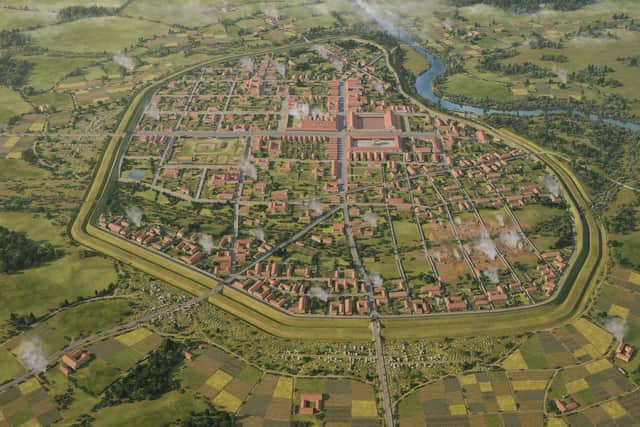
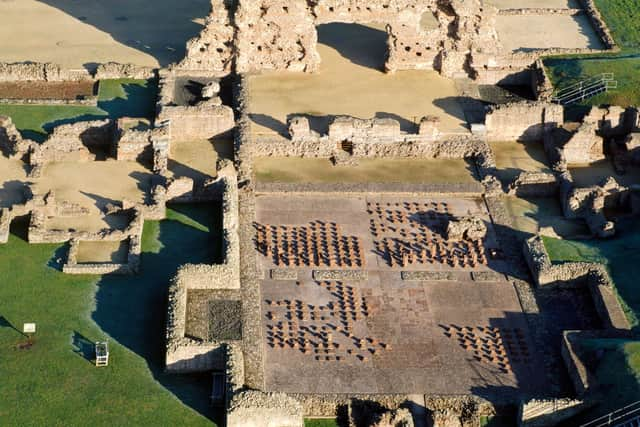
Though a small village today, Wroxeter was once the fourth largest town in Roman Britain – almost the same size as Pompeii in Italy.
Founded in the mid-1st century AD as a legionary fortress, the town was established in the AD 90s, and inhabited until the mid-5th century.
It is exceptionally well preserved – the site’s relatively remote location has meant that there has been little disturbance of the archaeological remains of the Roman town by later occupation.
To find out more or check entry prices, visit www.english-heritage.org.uk
Comment Guidelines
Iconic Media encourages reader discussion on our stories. User feedback, insights and back-and-forth exchanges add a rich layer of context to reporting. Please review our Community Guidelines before commenting.