
Hamnet composer Max Richter reflects on AI and human creativity
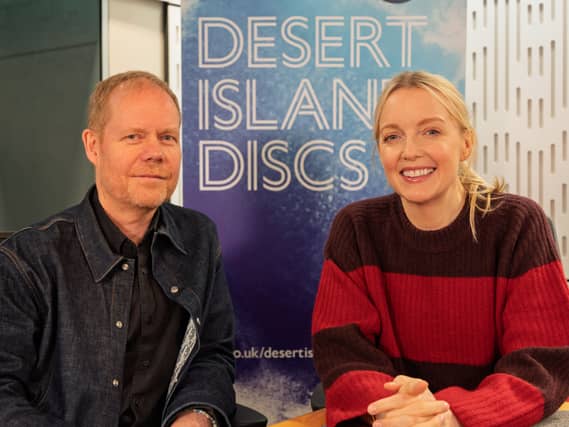

The 60-year-old contemporary composer and pianist is known for scoring the acclaimed 2025 film.
Hamnet composer Max Richter has said applying artificial intelligence to a creative process is a “mistake”.
The 60-year-old contemporary composer and pianist is known for scoring the 2025 film, which received widespread critical acclaim and secured nominations at the Oscars, Golden Globes and Bafta Film Awards.
Richter, who has released a number of albums including an eight-and-a-half hour long concept album based on the neuroscience of sleep, said the creative industry is “harder now” than it has ever been on a financial level for young creatives.
Speaking to Lauren Laverne on BBC Radio 4’s Desert Island Discs, he said: “We’ve now got AI coming over the horizon, or well and truly here, in fact, but I think to apply it to human creativity is sort of a misunderstanding of what creativity is about.
“It’s not something that we have to manufacture and automate that manufacturing process.
“It’s not that at all.
“It’s to do with like lived experience and biography and person-to-person communication.
“It’s a really special thing, which is fundamentally human.
“I think to apply AI systems to that is just a mistake.”
Over the course of more than three decades, Richter has created compositions for the silver screen, with his music appearing in films such as Mary Queen Of Scots, Ad Astra, Miss Sloane and Waltz With Bashir.

The German-born composer is also known for reaching audiences on the concert stage, collaborating with artists such as Anna Lapwood, Anne-Sophie Mutter and Gautier Capucon.
Richter’s compositions have featured in ballet productions through his long-standing creative partnership with ballet and theatre choreographer Wayne McGregor, and in the fashion world, scoring music for Dior catwalk shows.
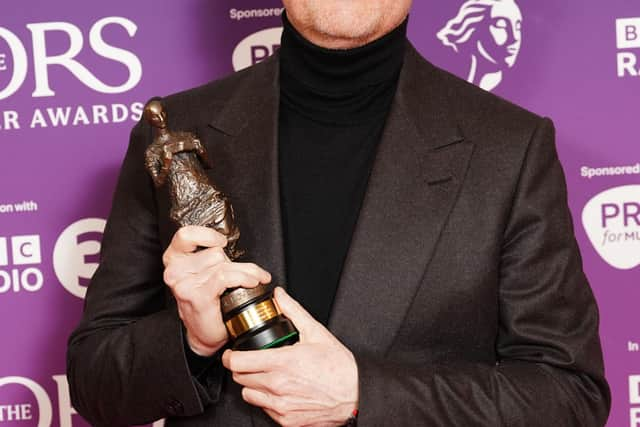
He recently received an Ivor Novello award for innovation in recognition of his “unmistakable originality and influence” and was dubbed by the Ivors Academy as “one of the defining voices in contemporary classical music”.
The full interview can be heard on BBC Radio 4 and BBC Sounds from Sunday at 10am.