
Debate: Defending working class rights to the Shropshire countryside
A recent article about city-dwellers encroaching on a quaint town on the border of Staffordshire would have upset a lot of people.


On Monday, Mike Lockley reflected on the "bikers, bull-terrier owners, barbecue kit carriers and bloggers" causing havoc in the quaint chocolate-box town of Badger.
Tattoos, piercings and hand-rolled cigarettes were not safe from Mike's wrath, who criticised inconsiderate parking, litter bugs and some errant children using the manicured hedges as toilets.
Well, I hate to break it to you, but we the working classes, enjoy nature too.
I'm pleased that those in Badger have been able to pull themselves so far up by their bootstraps that they've been able to purchase themselves a slice of rural paradise.
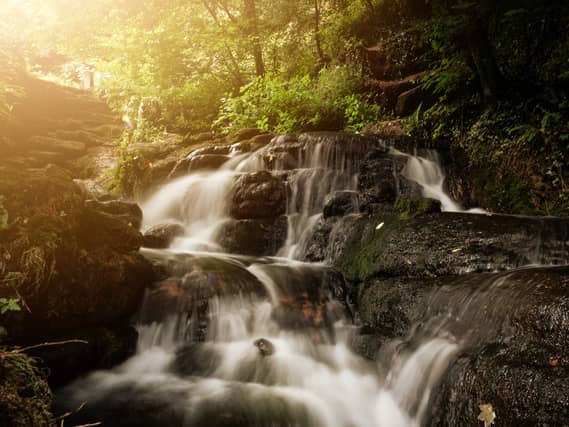
Those surrounded by concrete have clearly not worked hard enough to deserve a garden and having become so used to our natureless streets, we have no need for trees and grass and waterfalls.
The argument that nature should only be enjoyed by those already wealthy enough to live in it is one that goes back well over 100 years.
Fortunately, the conclusion of those arguments had back in the early 20th century gave us all the right to roam as lonely as a cloud - yes, even your bulldog-tattooed mate.
And if you weren't aware, those freedoms that you enjoy, are all thanks to the radical efforts of the great unwashed, the working class and the unemployed.
In the early 1900's, rambling was largely a working-class pursuit, particularly in the north of England.
A free few hours in the fresh air provided a welcome escape from the harsh realities of the pits and mills of the north.
When unemployment grew in the 1930s, so did the popularity of rambling.
Because of the enclosure acts of the 18th century, huge swathes of land were completely off-limit to most people - unless the landowner granted you a pass for more agreeable pastimes, like a good old grouse shoot.
I don't think I have to tell you that those taking a deserved breather from the pits wouldn't have had a look-in.
After regular run-ins with game-keepers and landowners, those who simply wanted a break from their dirty urban existence had enough.
In 1932, 20-year-old Benny Rothman, the Lancashire secretary of the British Workers’ Sports Federation, led a mass protest to defy the law and walk over hills and moorland to the plateau at Kinder Scout.
Around 400 men and women joined in, and after a little scuffle with some local gamekeepers, several of the protesters were arrested.
Later speaking in his defence at trial, Rothman said: "We ramblers, after a hard week’s work, in smoky towns and cities, go out rambling for relaxation and fresh air.
"And we find the finest rambling country is closed to us… our request, or demand, for access to all peaks and uncultivated moorland, is nothing unreasonable."
The imprisonment of five young men - including Rothman - unleashed a wave of sympathy, and is considered one of the pivotal moments in the journey to giving us all the right to roam through the British countryside.
The argument that some places simply aren't suitable for city-dwellers was had then too. When motorcars came and clogged up country roads, they built car parks.
Toilets and bins soon joined, and educational campaigns about the countryside code. Sometimes, the locals started picturesque cafes and ice cream stands - admittedly, I'm yet to see a burger van on any of my excursions.
I might suggest that the anger of residents be directed away from those seeking to spend an hour in the country, and towards those in charge who have the power to make nature more accessible.
For the peace and joy that you take from your nearby Dingle, is just the same peace and joy that I enjoy - pierced and tattooed.
Comment Guidelines
Iconic Media encourages reader discussion on our stories. User feedback, insights and back-and-forth exchanges add a rich layer of context to reporting. Please review our Community Guidelines before commenting.