
Patients ‘severely harmed’ and left on chemotherapy for years at West Midlands NHS trust


Staff found patients on long-term repeated cycles of the chemotherapy drug TMZ, which goes against standard practice and national guidelines.
Patients with brain tumours were severely harmed and wrongly left on chemotherapy for years while under the care of an NHS trust, a review has found.
Some people were misdiagnosed and given inappropriate courses of treatment, while others were told if they stopped chemotherapy they would die despite this not being true, according to the report from the Royal College of Physicians (RCP).
In one case, a patient was given more than 100 cycles of chemotherapy over a period of 13 years “before it was identified that their original diagnosis was incorrect”. They later developed leukaemia as a side-effect of too much chemotherapy.
The new report into care at the University Hospitals Coventry and Warwickshire NHS Trust was commissioned by the trust following the retirement of one of its doctors. He is called Dr Y in the report but has been named by the trust as clinical oncologist Professor Ian Brown.

He was employed there from 1996 to 2024 and concerns over his practice were raised by colleagues when his patients were handed over to them when he retired in December 2023.
Medics found people on long-term repeated cycles of the chemotherapy drug temozolomide (TMZ), which goes against standard practice and national guidelines.
Some patients had also been left on treatment despite their cancer progressing, when moving best supportive care for their symptoms would have been a better choice.
The RCP said there “were multiple examples of extended treatment with TMZ … being continued despite clear evidence of toxicity and/or deterioration in the patient’s condition, with little or no evidence of benefit.”
Overall, the RCP examined 20 cases of care under Prof Brown, though the number of patients affected, including those who have died, is higher.
Of the 20 cases, 15 people were found to have received unsatisfactory care and five were graded as requiring improvement. The diagnosis was “considered insecure” in three cases.
Working to strict definitions of harm, the review team concluded six patients had suffered severe harm, five moderate harm and eight low levels of harm. In the final case, the review team could not reach a judgment on moderate or severe harm.
The RCP said that, even when harm was graded as lower, reviewers did “not underestimate the psychological impact that receiving poor care from a professional in a position of trust can have on patients and their families.”
In each of these cases, “the patient was given unnecessary treatment that was not based on evidence”, the report said.
For moderate harm, the RCP found evidence of toxicity during treatment.
“This included patients experiencing episodes of fatigue, shingles causing neuropathic pain, constipation, rectal bleeding, low sodium levels requiring treatment and low mood.
“The long-term risk of the patient developing secondary cancers was also a factor in some gradings of moderate harm.”
Cases graded as severe harm featured similar concerns, but the impact was greater and/or longer term, the RCP said.
One patient underwent over 10 years of chemotherapy and was told they had deadly glioblastoma. This was later found to be a grade 1 pilocytic astrocytoma, a low-grade tumour with potentially normal life expectancy that does not require chemotherapy.
Another patient had treatment for a decade and “experienced significant toxicity”, including ongoing fatigue, nausea, severe shingles requiring hospital admission, and nausea and vomiting.
Legal firm Brabners, which is representing more than 40 patients and is calling for an independent public inquiry, said cases have been referred to the police but no action has been taken as of yet.
The RCP said Prof Brown did “not take up the opportunity to engage with the review”.
The investigation also found:
– Patients did not always give proper or full consent to treatment. Reviewers found no record of an accurate and informed discussion with the patient about the “non-standard nature of the treatment, or its risks and benefits”.
– Prof Brown’s contact with patients was often “very limited after the initial consultation” and all follow-up care was managed by a clinical nurse specialist known as Mr N. More direct senior medical oversight was needed. There was a “very unusual working relationship” between Prof Brown and Mr N, the RCP said.
– Effective challenge from the trust’s wider neuro-oncology multidisciplinary team (MDT) was lacking, “enabling practice that was not evidence-based to continue over many years”.
– Some colleagues “professed ignorance” of Prof Brown’s approach, while others said “everyone knew”.
– No consideration was given by the pharmacy team to the evidence behind the need for prolonged TMZ treatment. “This was a significant factor in this inappropriate prescribing practice continuing over such a long period of time.” The pharmacy verification processes proved “wholly inadequate to address the very unusual therapeutic decisions made”.
– Misleading information was given to patients, including that they risked dying if they stopped treatment. When one patient questioned their treatment, they were told by Mr N that Prof Brown was “legally bound” to prescribe it.
– The clinical governance arrangements that were in place to support and maintain oversight of the neuro-oncology service, including Prof Brown, were “wholly ineffective”.
– Prof Brown managed to avoid challenge “by a tactic of persistent non-engagement with colleagues”, staff who were interviewed by RCP said.
– There were “multiple opportunities” for Prof Brown’s “non-evidence-based treatment to be challenged, but these were not taken”. There was also evidence that, where concerns were raised and escalated, “insufficient action was taken to address them over many years”.
The review team said there are “potential concerns about the wider culture within UHCW and the extent to which this is conducive to delivering safe care.”
In making recommendations, the RCP that “in light of these findings in a relatively small sample of cases”, the trust should ensure that all living patients treated with more than 12 cycles of TMZ have had their case independently reviewed.
There is also a “large cohort of deceased patients who have received this non-standard chemotherapy regime, who may potentially have come to harm”. Work should look at whether these cases also need reviewing.
The trust should also “reflect on the opportunities missed for challenge of unsafe practice” and determine whether “there is work required across the organisation to ensure that patient safety concerns can be safely discussed and promptly addressed”.
Fiona Tinsley, partner and head of clinical negligence and serious injury at Brabners, said the RCP findings “point to systemic failures in the care and oversight of these patients”.
She added: “These treatment failings didn’t happen in isolation – they were enabled by repeated failures oversight across the service for around two decades.
“The RCP’s report examined just 20 patients’ cases. We represent more than 40 people with serious concerns about their care; we know that the issues stretch back more than two decades and the RCP itself has indicated that its concerns extend beyond the patients it reviewed.
“That raises an obvious and deeply troubling question about how much wider these failings may go. This report cannot be the end point.”
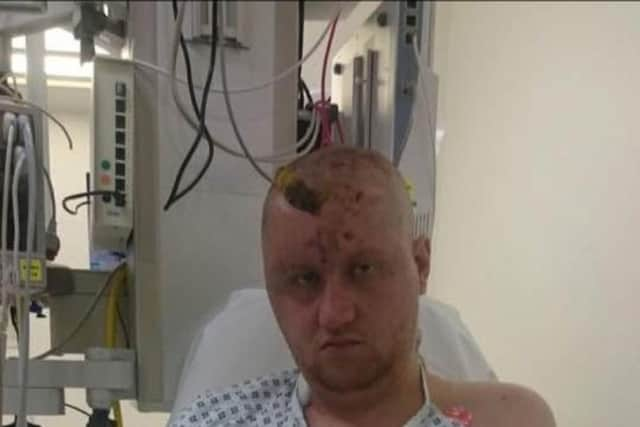
Among the patients represented by Brabners is Becky Jones, who was 21 when she was told she had a grade 4 glioblastoma and six to 12 months to live.
She received more than 100 cycles of chemotherapy over more than a decade before it was found she had never had a brain tumour and that her imaging was consistent with tumefactive demyelination.
Ms Jones said: “For years, I questioned why I was still being given chemotherapy when my scans were stable, but I was repeatedly told that without it I would die.
“Seeing the RCP independently confirm serious failings is validating, although it is incredibly painful to see how many opportunities there were to protect us.
“I welcome the recommendation that my case, alongside those of every living patient who received more than 12 cycles, should be independently reviewed. I now need a full and honest explanation of what happened to me.
“This has shaped my entire adult life. I lost career opportunities, family moments and years to treatment and the constant fear that I was going to die.”
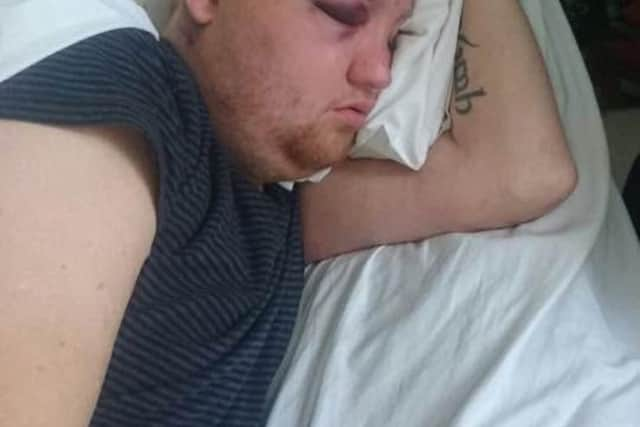
David Bown, who was diagnosed with a brain tumour in 2016, suffered permanent neurological damage following complications after surgery and was later treated with temozolomide for more than eight years.
His condition has deteriorated and he has now lost the ability to speak.
Stephen Bown, David’s father, said: “What has happened to David has been devastating.
“Before all of this, he was working full-time, playing football, coaching and managing an under-nines football team and living his own life…
“I am relieved that David’s case will be one of those recommended for an independent review because we need someone to look properly at the whole of his care and explain how so many opportunities to protect him were missed.
“We cannot change what has happened to David, but we can make sure the truth comes out.”
Professor Andy Hardy, chief executive, and chairwoman, Sue Noyes, of University Hospitals Coventry and Warwickshire NHS Trust, said in a statement they offered their “sincere apologies”.
They added: “We are deeply sorry to all the patients and families affected by failures within our neuro-oncology service under the care of retired clinical oncologist Ian Brown.
“We recognise the concern, distress and loss of trust experienced by those who placed their faith in us during some of the most difficult moments of their lives.”
They said the trust has extended its historical review back to 2005, when national guidance for TMZ was first published, “to ensure affected patients are identified and supported”.
The statement added the trust has already taken “decisive steps to strengthen our clinical governance and ensure all treatment decisions are made collaboratively”.
An independent review of “speaking up processes” are also being independently reviewed “to ensure staff feel fully supported and confident in raising any concerns.”
Mr N has retired from the trust, it confirmed.
The trust has also made a formal regulatory referral regarding Mr N to the Nursing and Midwifery Council (NMC) regulator.
All living patients receiving TMZ at the trust have already had their care reviewed again internally to ensure it aligned with expected standards, the trust added.
A “comprehensive independent external clinical review process” will also evaluate all living patients who received over 12 cycles of TMZ under Prof Brown.
The trust added: “We have initiated discussions with the NHS England regional director of patient safety to establish clear requirements and methodology for reviewing the cohort of deceased patients who received non-standard chemotherapy regime.”