
Inflation peak will be lower if energy prices stay at recent levels – Bank boss


Andrew Bailey told MPs the Bank of England’s 5% inflation forecast could be overly pessimistic if oil prices remain at levels seen in recent weeks.
Bank of England governor Andrew Bailey has said Britain’s inflation peak will be lower than first feared if oil and energy prices remain as they are after recent steep falls.
Speaking at a Treasury Committee session, Mr Bailey told MPs that while wholesale oil and gas prices remain “unpredictable”, recent improvements in crude supply have helped reduce oil prices by around 10% and gas by 4% since its economic forecasts given earlier this month.
The Bank increased interest rates from 3.75% to 4% earlier this month as it warned inflation was set to soar to a peak at around 5% by the end of the second quarter next year.
Mr Bailey told MPs the forecast could be overly pessimistic if oil prices remain at levels seen after falls in the past few weeks.
But he warned if oil and energy prices do not come down and stay down, then rates will have to rise to control inflation.
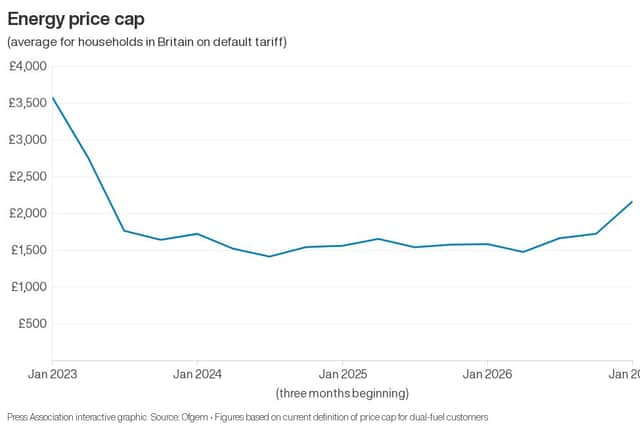
It comes after Ofgem confirmed its energy price cap will soar by 26% on January 1, which will push up UK inflation significantly.
Mr Bailey said: “If these current prices were to stay where they are, the peak of inflation mechanically would be lower.”
He added: “The price has come down below where it would have been in the fourth quarter and the main forecast, and certainly the upside scenario, but frankly it’s too unpredictable.”
The cost of crude eased back to its lowest level for almost three months earlier this week amid growing positivity about recovering oil supplies.
The price of Brent crude oil dropped below 90 US dollars a barrel at one stage on Tuesday – the lowest since late August.
Analysts suggested that strategic reserves are keeping supplies in a broadly positive position, despite the continued closure of the Strait of Hormuz, which has caused disruption to supplies flowing out of the Middle East.
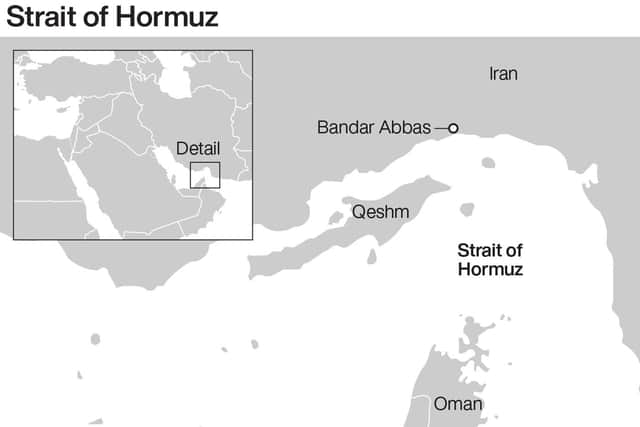
Mr Bailey said: “The flow of crude through the strait is approaching back to where it was.
“Probably not quite back.
“You know, people say sort of 80% of what it was, but obviously it’s pretty unpredictable… the world’s oil stocks have reduced and have got to be rebuilt at some point.”
But he cautioned: “If we stay in the place we were in, back when we met in November, and if we don’t see any reduction in energy prices, so ignore what’s happened subsequently, then it is more likely than not that we will have to raise rates by more.”