
Council faces ‘political suicide’ if fire and rehire scheme is tabled – union


Unison also said that low-paid workers would by negatively impacted by a pay offer from Glasgow City Council.
It would be “political suicide” if Glasgow City Council introduces a fire and rehire scheme in response to a pay deal being rejected, union representatives have warned.
About 70% of balloted Unison members employed by Glasgow City Council rejected a pay offer and grading proposals from their employer, arguing that while some workers would be better off, lower-paid employees, mainly women, would be worse off.
The union met council bosses on Tuesday to try to come to an agreement.
Fellow unions GMB and Unite have accepted the offer.

The Scottish Government previously became involved, with Deputy First Minister Jenny Gilruth intervening to try to bring the two sides to a settlement.
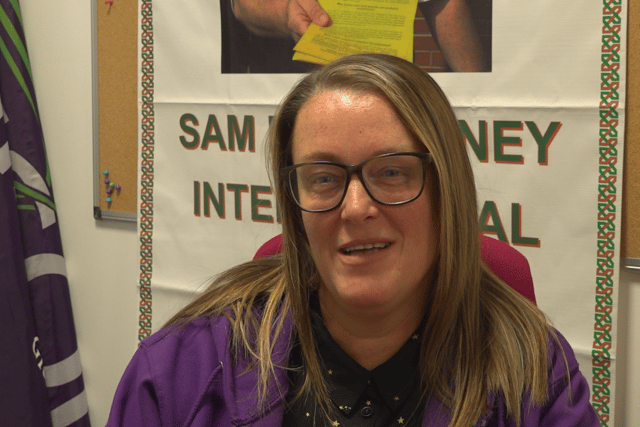
Speaking from Unison’s offices in Glasgow, Allison Ross, a Unison steward with a background in home care with Glasgow City Council, told the Press Association a fire and rehire process would cause “stress and anxiety” for the workforce.
She said: “I would hope that they wouldn’t, because the last time that the council brought that to the table, they knew exactly what they were going to do.
“At the bottom of that email that they sent out, they had put an occupational therapy phone number on that.
“They therefore knew that was going to cause stress and anxiety to their workforce.
“Why would they do that to a workforce that they proposed that they care for. If they were to do that again, it would be political suicide for them.”
Unison said council leader Ricky Bell told the union there was inadequate funding to make a better offer for lower paid workers, but Unison says this is not true.
Ms Ross said: “Ricky Bell had said that the last time, and they went to the Scottish Government, and there was another £20 million found, so they could go back to the Scottish Government again, and they could find more money again.”
Asked what sort of progress they are hoping for after Tuesday’s meetings, she said: “We’re looking for the council to come back to the negotiating table in good faith and enter into meaningful negotiations that will see a better deal for everybody without any financial detriment for already low-paid workers.”
The union says low-paid women will be negatively affected by the proposals, warning this will push them to find employment elsewhere, or potentially take on another job to pay the bills.
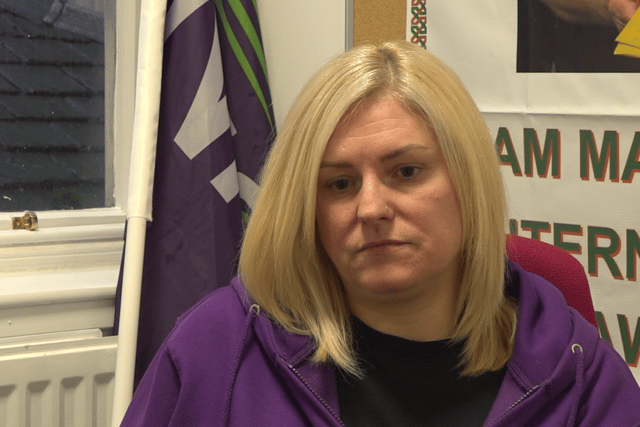
Ms Ross said: “Quite a lot of women within the council already have part-time contracts.
“Me myself, I’ve got two part-time contracts. It could be that women are having to go out and get a second job, a third job.
“Children will possibly go without food in the morning. They’re going to have to rely on food banks.
“They’re going to have to rely on getting to school to be fed at school. It’s going to cause detrimental mental health to low-paid women.”
She added: “Christmas is coming up. It’s going to have huge impact on families that are already on the bread line. People that are in debt management programmes are going to be pushed further into debt. It’s going to have a lot of untold issues.”
Lisa Daly, a child development officer at a council nursery, said she had not been negatively affected by the offer but she voted against it in solidarity with lower-paid colleagues.
She said: “There is people I do know that have looked at other avenues because they just can’t afford to be in detriment.
“They’ve been doing this job for years, and then all of a sudden they’re losing money in the job they’ve done for maybe 20-odd years, they can’t sustain that.
“They’ve got bills, they’ve got mortgages, they’ve got families. They just can’t afford to be in detriment.”
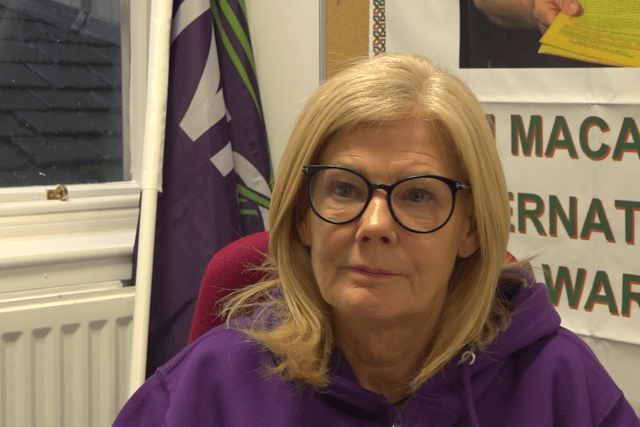
Kath Stirling, branch chairwoman of Glasgow’s Unison, said: “If they put fire and rehire on the table and they fire me as a Glasgow City Council employee, well, I’m sorry, that’s fine.
“I would be off because, to be honest, Glasgow City Council couldn’t survive without its workers, predominantly low-paid workers.
“We’ve got care services, we’ve got residential, we’ve got clinic workers. We’ve got everything. Without workers, they can’t survive. So they have to think seriously about it.”
Asked about the possibility of strikes if a better agreement is not reached, she said: “It’s up to our members to decide that, just like they decided there to reject the offer.
“We put that out to our members to accept or reject, and they rejected the offer.
“So for strike action, we would put it out to our members, and they would decide, because this is a member-led trade union. We’re the biggest trade union with over 13,000 members.”
Glasgow City Council has been contacted for comment.