
The Hawthorns at 125: The 'family' and 'homely' feel that brings everyone back
The spotlight has rightly been on The Hawthorns over the last week or so and will continue for the days ahead as Albion's Shrine celebrates a special milestone.
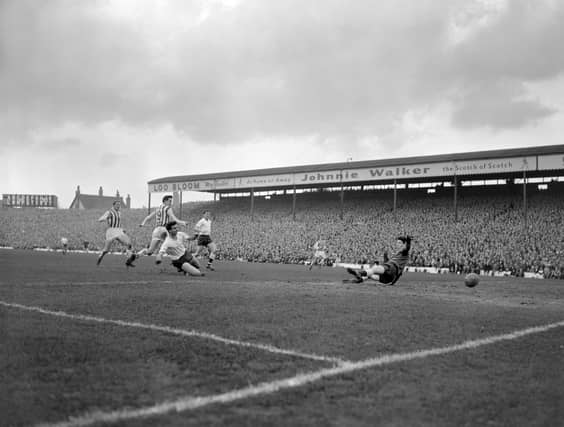


The Baggies' home turned 125 last Wednesday and will be honoured on Saturday as Ryan Mason's hosts welcome Derby County for a repeat of the fixture from September 3 1900 - the stadium's opening, which ended 1-1. Hometown player Charles 'Chippy' Simmonds to equalise for Albion's first Hawthorns goal.
It has been a poignant time. Albion supporters across all generations have come together to rekindle old stories of earliest memories, golden moments, time of struggle or tragedy.
Albion moved to the disused land - covered in hawthorns bushes and populated by thrush birds - on Halfords Lane in 1900 from their Stoney Lane home of 15 years. The move was not wholly popular as it took the club away from a more central town base and local businesses suffered. After four months of construction work the new stadium opened.
The Hawthorns has since welcomed families from far and wide from generation upon generation. It has since become one of the cherished theatres of English football.
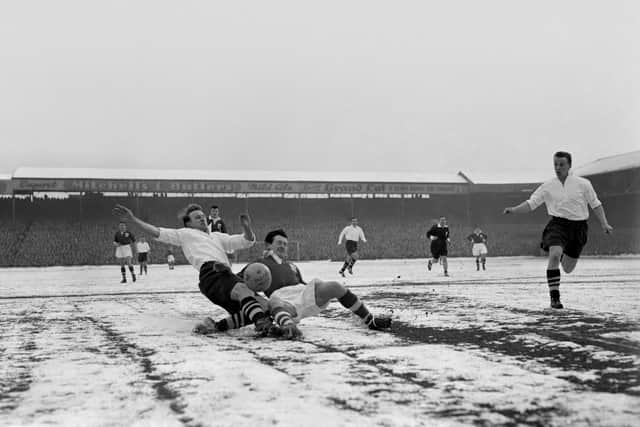
It has hosted glorious Albion teams. Champions of the land in 1920 and runners-up just five years later. The Throstles went close again in 1954 but were pipped by great rivals Wolves.
Albion were dominant in the FA Cup while at Stoney Lane, twice winners and three runners-up. But The Hawthorns has welcomed back and celebrated triumphant FA Cup sides in 1931, 1954 and 1968. There was also League Cup success on the hallowed turf with a second leg comeback in 1966.
There have been several iterations. From no roofs, standing terraces and attendances north of 60,000, the iconic Woodman Corner and its scoreboard with the throstle, the Rainbow Stand, as it was until the shrine was 100 years old.
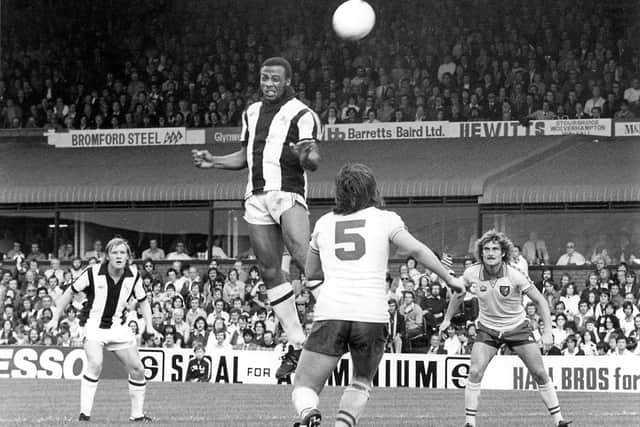
Legends have been in place throughout. Pennington, Richardson, Barlow, Allen, Kevan, Astle, Williams, Brown, Robson, Regis, Cunningham, Taylor, Brunt - to name but a few.
The clash against Derby on Saturday will see the famous Woodman Corner scoreboard return for one match only. Tony 'Bomber' Brown will deliver the matchball ahead of kick-off and, just like in 1900, the pre-match entertainment will be a brass band. Commemorative flags and programmes are on offer.
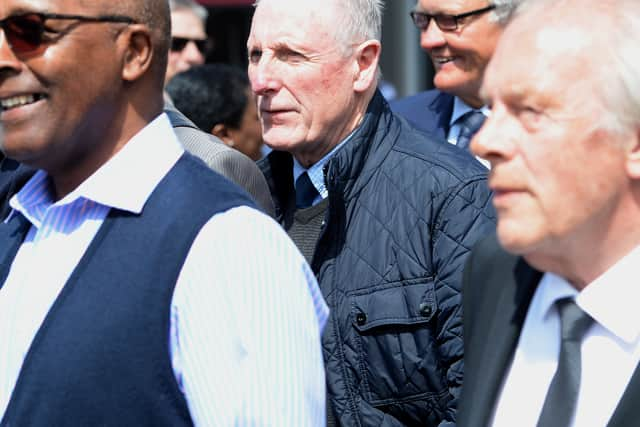
My target in this anniversary project was to speak with supporters who had attended The Hawthorns going back the furthest and it was a joy speaking with Eric Moore, 89, Harry Taylor, 84, and Terry Wedgbury, 90. The three of them have a combined experience of more than 200 years visiting The Hawthorns.
I also caught up with Laurie Rampling, the much-loved long-serving club photographer who turns 80 this year, and two individuals by the name of Tony Brown and Chris Brunt, adopted Baggies from outside of the Black Country who know a thing or two about its magic.
What they all had in common was feeling a sense of belonging and home at The Hawthorns.
Be it the result of an eight-decade association or just the "feeling" of the club and stadium when you become part of it - the unified message from all the interviewees was that The Hawthorns embodies Albion 'the family club'.
Modern-day playing legend Brunt, 40, spoke of it not being the biggest or the most vociferous, but a place where regulars feel at home. He admits even he, Belfast-born and arriving via Yorkshire, now cannot escape the feeling of feeling of home while catching up with old friends on matchday.
Bomber Brown - whose bronze statue stands proud outside the East Stand - scored more goals and played more games than anybody else for Albion. His comment about feeling at home at The Hawthorns after moving down from Lancashire in 1961 is the stuff of legend.
Terry Wedgbury spoke about attending games with his son and grandson and priceless family time. He said: "It's still a highlight for me because it's not just a football thing, it's a family thing. My grandson lives in Burton, Jonathan lives in Uttoxeter, I live in Rugeley, so we don't see each other every day."
Eric Moore, a former director at Metalrax, a big 1970s sponsor including of the Woodman scoreboard, added: "It's the first thing we look at for the fixtures. We miss as few matches as we possibly can. That's the story of our life since school days, basically."
Harry Taylor, who also attends weekly Hawthorns Hub sessions to meet friends each Wednesday, told me: "It's a family club, isn't it? It's a family club and it's just a place that I've always gone as a kid.
"It's like a second home to me. I don't know how to explain it. I just still love going there."
Comment Guidelines
Iconic Media encourages reader discussion on our stories. User feedback, insights and back-and-forth exchanges add a rich layer of context to reporting. Please review our Community Guidelines before commenting.