
Shrewsbury Town takeover explained: What happens next as deal reaches EFL test
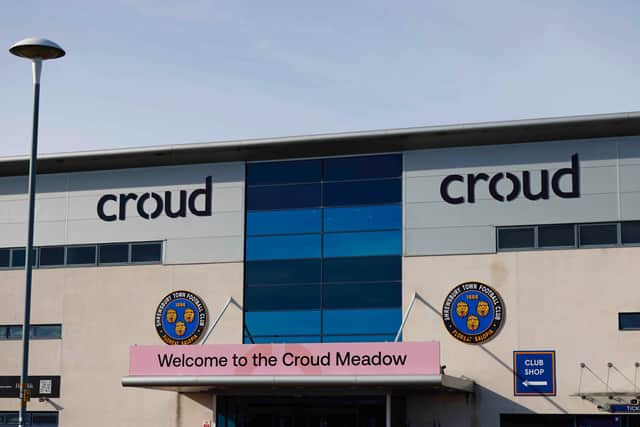
An American consortium’s bid to buy Shrewsbury Town has been submitted to the EFL.
Shrewsbury Town’s search for a new owner has now reached the fit and proper persons test stage - so what does this mean?
A takeover of Shrewsbury Town is has taken a significant step forward after a deal was agreed with an American consortium. Documents have now been submitted to the EFL as well as to the new Independent Football Regulator.
The process will assess the club’s prospective owners and directors in a bid to prevent illicit finance and mismanagement. Some documents relating to Salop’s takeover are yet to be filed, however, the independent verification process has begun.
Town are among the first clubs to have submissions made to the new Independent Football Regulator (IFR), meaning the process is likely to take time as the case is assessed.

Members of Parliament voted last year to back a Football Governance Bill to create an independent regulator overseeing the men’s game across England’s top five divisions.
In December, the IFR announced it was “ready to act against rogue owners with new testing powers”.
It operates independently from the existing Owners’ and Directors’ Test, which is applied by the relevant leagues to all prospective buyers of clubs in English football.
In any potential takeover of a football club - formally known as an acquisition of control - the EFL states it is the responsibility of the club to inform the league of a proposed change.
The EFL says: “Once the League has been made aware, the process of making the necessary checks against the requirements of EFL Regulations will then begin.
“The Regulations ultimately set the criteria regarding who is permitted to own a Club - or exercise control over it - and whether they meet the requirements to do so.”
The takeover must first pass through the EFL’s Owners’ and Directors’ Test - the league states this an objective assessment designed to ensure prospective owners and directors are suitable to run a football club.
As part of the process, those involved must demonstrate that they are not subject to any of the disqualifying conditions set out in the league’s regulations.
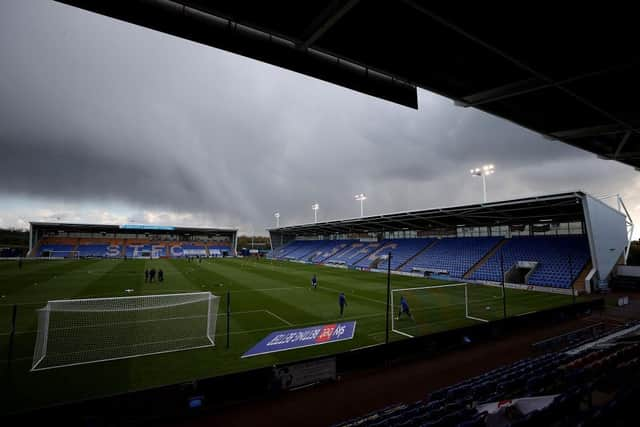
Prospective owners are also required to submit Future Financial Information (FFI), outlining how the club will be funded and operated in the years ahead. This allows the EFL to assess the financial sustainability of the proposed ownership and identify any additional funding that may be required to support the club’s ongoing operations.
In addition, any potential owner must satisfy the EFL on the source and sufficiency of funding behind both the takeover and the club’s future running. This involves providing evidence of how much money is available and where those funds have originated.
Only once all regulatory requirements have been met will the EFL grant approval for a change of control.
Owners’ and Directors’ Test
The EFL’s Owners’ and Directors’ Test was first introduced in March 2005 and has evolved over time.
The league states its purpose is to prevent individuals or organisations with disqualifying issues from becoming involved in, or exerting influence over, the management and administration of football clubs.
As part of the process, prospective owners and directors are required to complete a self-declaration, which must be countersigned by the club. The EFL then conducts a series of background checks to verify the information provided.

The league stresses that it is an eligibility test rather than a suitability test.
At Shrewsbury Town, chairman Roland Wycherley remains fully responsible for the running of the club and continues to fund transfer activity, including the undisclosed fee paid to sign Isaac Fletcher from Barrow, as he has done for almost 30 years.
Any prospective buyer is not legally able to exert influence over the club until a takeover is formally completed and all regulatory approvals have been granted.
The developments mark a significant step forward and come as the club celebrates its 140th anniversary this year.
Comment Guidelines
Iconic Media encourages reader discussion on our stories. User feedback, insights and back-and-forth exchanges add a rich layer of context to reporting. Please review our Community Guidelines before commenting.