
'The real identity and soul of our towns in the West Midlands has gone missing'

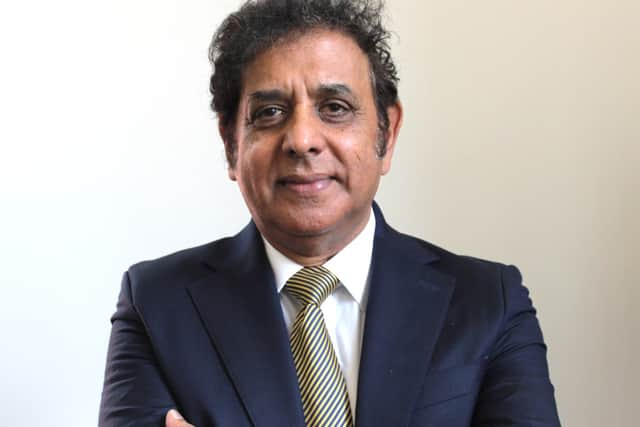
Roshan Doug: ’When the independent shops disappeared, we lost more than places to buy things’
David Gower once remarked that a certain cricket ground was hell. When asked how he knew what hell looked like, he replied, ‘I don’t – but I’ve been to Wolverhampton!’
I know recalling that joke isn’t exactly going to endear me to many readers.
But, if I’m honest, I can see what he meant. Parts of the city do look tired. A bit shabby. In places, downright tacky. That isn’t because I’ve got it in for Wolverhampton. It’s because the city so many of us grew up with is slowly disappearing. And if you think it’s just Wolverhampton, take a drive through Dudley, Bilston, Willenhall or Walsall or even some parts of Telford and Staffordshire. The same story is playing out there too.
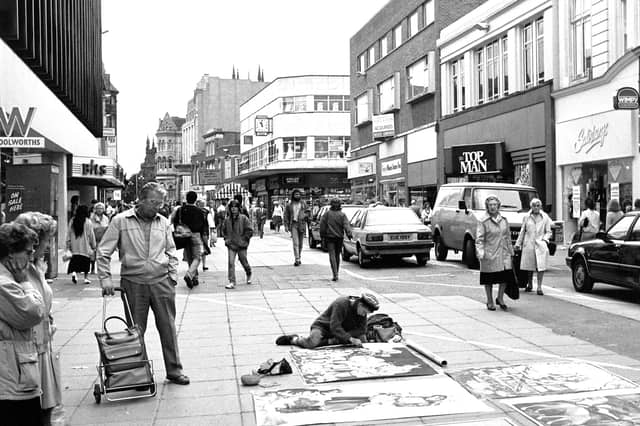
There was a time when these places had a real identity. Every high street had its butcher, baker, fishmonger, tailor and cobbler. They weren’t just businesses; they were people you knew. People who were local, and proud of their locality. Looking back, perhaps we didn’t appreciate them enough.
Changed
Then the department stores arrived. British Home Stores, Woolworths, Marks & Spencer and C&A changed the way we shopped.
They weren’t all bad – far from it. They offered quality, choice and convenience. Going into town on a Saturday actually felt like an occasion. But they also squeezed out the little shops and, bit by bit, they disappeared.
Now, of course, the department stores have largely gone as well.
The internet has done to them what they once did to the independent trader.
Who wants to spend half an hour in traffic, wander around looking for a parking space and then hand over a small fortune to the council or NCP, when you can press a button and have the same thing delivered the following day? Convenience usually wins.
And I’m not convinced pedestrianisation has helped either. I know the theory behind it, and some areas certainly look better without traffic, but making it harder to reach the town centre was always going to have consequences. We shouldn’t be surprised that people simply stopped coming.
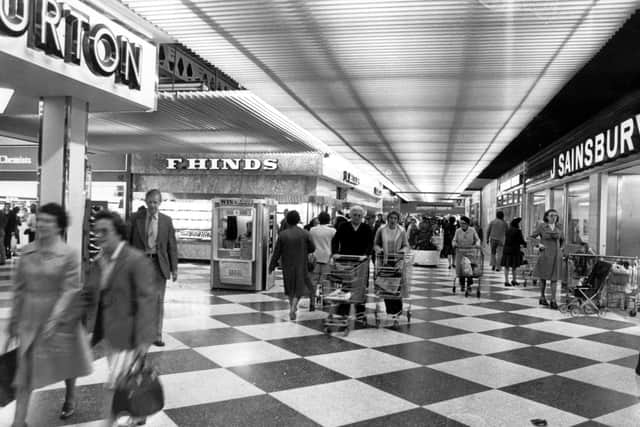
Then there’s all the cheap stuff. Walk around almost any shopping centre and you can buy things for next to nothing. The trouble is they’re often worth next to nothing too. Cheap has somehow become a virtue in itself. It shouldn’t be. If something is unbelievably cheap, somebody, somewhere has probably paid the price for it. And in six months’ time it’ll probably end up in a landfill site.
Maybe I’m sounding like an old man reminiscing about the good old days. Perhaps I am. But I don’t think this is just nostalgia.
When the independent shops disappeared, we lost more than places to buy things. We lost character. We lost craftsmanship. We lost people who actually cared about the places where they worked because they lived there too.
Birmingham isn’t much different. For all the money that’s been poured into regeneration, parts of the city centre can feel oddly
soulless. Shops have gone. Empty units seem to appear almost overnight. You wonder what comes next.
And I have to say, some of the regeneration leaves me cold. Take the Library of Birmingham. I know plenty of people admire it. I don’t. To my eyes it’s an architectural monstrosity. Inside, with all the lights and colours, it feels more like a visitor attraction than a great civic building.
Perhaps I’m old-fashioned, but I always thought libraries should feel slightly solemn. Quiet places where knowledge was respected, not buildings trying so hard to impress that they distract from the books.
The bigger question is what we actually expect our town centres to be. If the answer is simply somewhere to shop, we’ve probably already lost. Online retailers have won that battle. We aren’t going to reverse it.
But towns have always been about more than shopping. They are places where people meet, argue, eat, browse, chat, watch a play, visit a library, bump into someone they haven’t seen for years. Once that disappears, you’re left with little more than buildings.
I’m not sure another glossy regeneration plan is the answer. We’ve had enough masterplans over the years.
What we probably need is something much less exciting: decent shops, affordable parking, clean streets, independent businesses and a bit of civic pride. Not glamorous, perhaps. But those things matter.
Because the real tragedy isn’t that Wolverhampton, Birmingham or other towns are changing. Towns have always changed. It’s that so many are looking exactly the same. And if this carries on, perhaps, David Gower’s joke won’t seem quite so funny after all.
* Educationalist Roshan Doug is a social commentator and a former Birmingham Poet Laureate. @DrRoshanDoug
Comment Guidelines
Iconic Media encourages reader discussion on our stories. User feedback, insights and back-and-forth exchanges add a rich layer of context to reporting. Please review our Community Guidelines before commenting.