
'I sympathise with King Charles – grief is never black and white'
Roshan Doug’s view on the row between Earl Spencer and the Palace - and why he sympathises with the King
Here we go again. Nearly 30 years after her, we are back talking about Diana, her former husband (now King Charles), and her brother, Earl Spencer, and what was or wasn’t said behind closed doors.
Earl Spencer’s new book, Swan Song: Diana, My Sister (out this week), has reopened some very old wounds. Among his claims is that, shortly after Diana’s death in 1997, the then Prince Charles told him, during an argument about the funeral arrangements: ‘Rest assured, we’ll forget her soon enough.’ Spencer says those were exactly the words Charles used.
Buckingham Palace has taken a rather different line, suggesting that grief can ‘cloud reason, affect judgement and colour memory’. It’s a wonderfully polite royal response. In ordinary English, it amounts to something like: ‘I’m sure that’s what you remember, old chap, but are you absolutely certain?’
Now, before anyone starts sharpening the knives, I have some sympathy with Earl Spencer. I really do. I have lost a sister myself – the youngest sibling – and I know what grief can do to you. When someone close to you dies, you don’t simply shed a few tears, attend the funeral and get back to normal on a Monday morning. If only it were that easy.
You replay things in your mind. What could I have done? What should I have noticed? Should I have said more? Should somebody else have done something? Could we, individually or collectively as a family, have done more?
You blame yourself, then other people, and then perhaps yourself again for blaming other people. It’s an exhausting business.
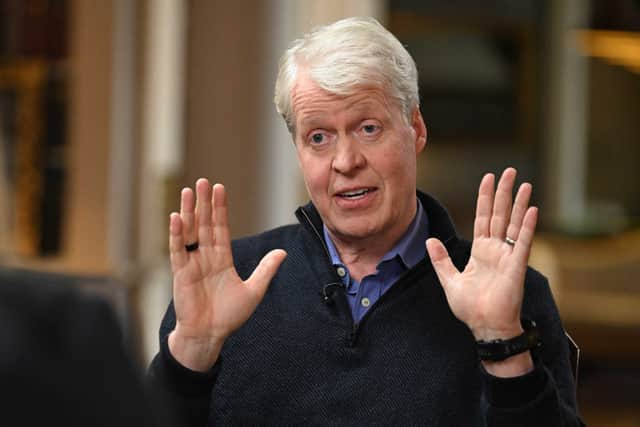

But grief can do something else. It can alter the way we remember the person who has died. We can turn people into saints. Someone who, while alive, was a perfectly ordinary human being – with faults and questionable decisions – can suddenly become a martyr after death. Their faults disappear. Their mistakes become somebody else’s fault.
Before long, we aren’t remembering the person who actually lived. We are remembering the person grief has created.
I’ve seen this happen in literature too. My favourite poet is Ted Hughes, and I’ve always been fascinated by what happened to his reputation after the death of Sylvia Plath. For years, sections of the feminist movement portrayed Plath as the blameless, brilliant female victim and Hughes as the ogre who destroyed her. The story became almost too neat: tragic female genius on one side, wicked husband on the other. But real life is rarely that tidy. Plath was a decent poet, but she was also a complicated human being living through profound personal difficulties. Hughes was certainly no saint, and their marriage was far from perfect.
But reducing the whole story to ‘innocent angel meets monstrous husband’ tells us more about the mythology surrounding a death than it necessarily tells us about the two people themselves.
And that is precisely why I am wary of the continuing Diana mythology.
I was never a great Diana fan. Yes, I could see her charisma and understand why people were fascinated by her. She had an extraordinary ability to connect with ordinary people and used that ability to do some genuinely worthwhile things. But I never understood the almost religious adulation that followed her death. I thought the public reaction was over the top.
The mountains of flowers, the endless television coverage and the collective hysteria sometimes felt less like the death of a member of the Royal Family and more like the death of a medieval saint. Perhaps that is why I refuse to join the fashionable tendency to blame King Charles for everything surrounding Diana. I understand Earl Spencer and his grief. But unlike some, I also have some sympathy with Charles.
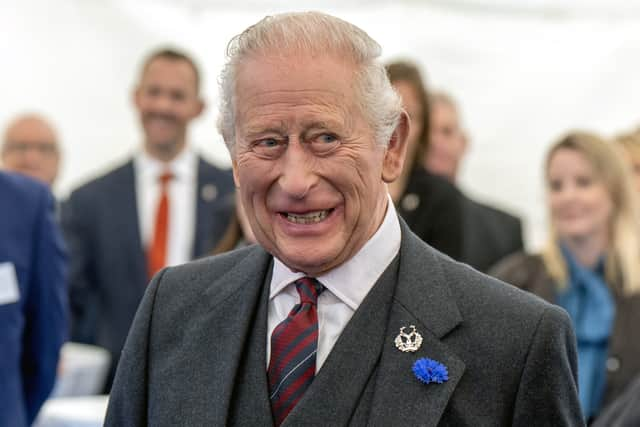
He was a grieving former husband, a father to two young boys who had just lost their mother, and a man suddenly caught in one of the most extraordinary public crises the Royal Family had faced for generations.
Was Charles perfect? Of course not. None of us is. But we have developed this extraordinary habit of judging historical events as though everybody involved had the benefit of hindsight, Google and a comfortable armchair. They didn’t.
And I certainly don’t know whether Spencer’s recollection of that conversation is right or wrong. Neither, for that matter, do most of the people commenting on it. We weren’t there.
That matters because memory isn’t a CCTV camera. It isn’t a video recording sitting neatly in your brain waiting for somebody to press ‘play’. Memory, like literature, is reconstructed. It is coloured by emotion. And grief is one of the most powerful emotions there is.
That doesn’t mean Earl Spencer is lying. He may sincerely remember Charles saying exactly what he claims he said. But sincerely remembering something and being objectively correct about every detail aren’t necessarily the same thing.
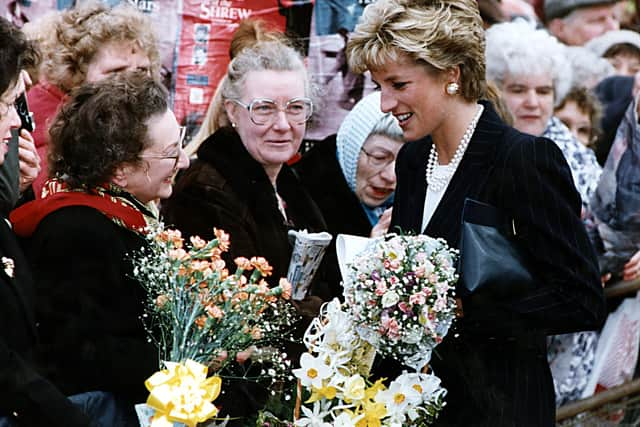
I’ve learnt that through grief myself. When someone you love dies, you can spend years thinking about what you and everyone else could have done differently. You imagine alternative endings. You construct different conversations. You think that one different decision or one intervention at the right moment might have changed everything. But sometimes it wouldn’t have. That’s the harsh reality.
Sometimes the person who died made their own choices. Sometimes those choices were bad ones. Sometimes, however painful it is to accept, responsibility for what happened lies firmly with them.
That isn’t being unkind to the dead. It is treating them as human beings rather than saints.
Diana, like my sister, was human. Sylvia Plath was human. Ted Hughes was human. Earl Spencer is human. And so is the King.
Perhaps we should mourn the dead without canonising them, remember them without rewriting them, and disagree about the past without turning every family tragedy into a search for a villain.
Because grief can do strange things to memory. It really can cloud our memory to such an extent that sometimes the person we remember – the person we love and adore – isn’t quite the person we lost.
* Roshan Doug is a social commentator and edicationalist. He is also a former Birmingham poet laureate.
Comment Guidelines
Iconic Media encourages reader discussion on our stories. User feedback, insights and back-and-forth exchanges add a rich layer of context to reporting. Please review our Community Guidelines before commenting.