
The Shropshire ‘mountain’ that volunteers came from around the world to remove
How volunteers came from around the world to remove a blot on the Oakengates landscape in a 1930s project which may have had a remarkable wartime twist
As Europe tumbled relentlessly towards war in the 1930s, a project in a Shropshire town offered a beacon of hope for peace, goodwill, and international co-operation.
On the western edge of Oakengates a huge heap of spoil called the Charlton Mound dominated the town, an ugly blot on the landscape.
Oakengates Urban Council said it had no money to remove the 200,000 tons of spoil which was compared with a miniature Wrekin. It covered 1.5 acres and was said to loom like an angel of doom over the town centre.
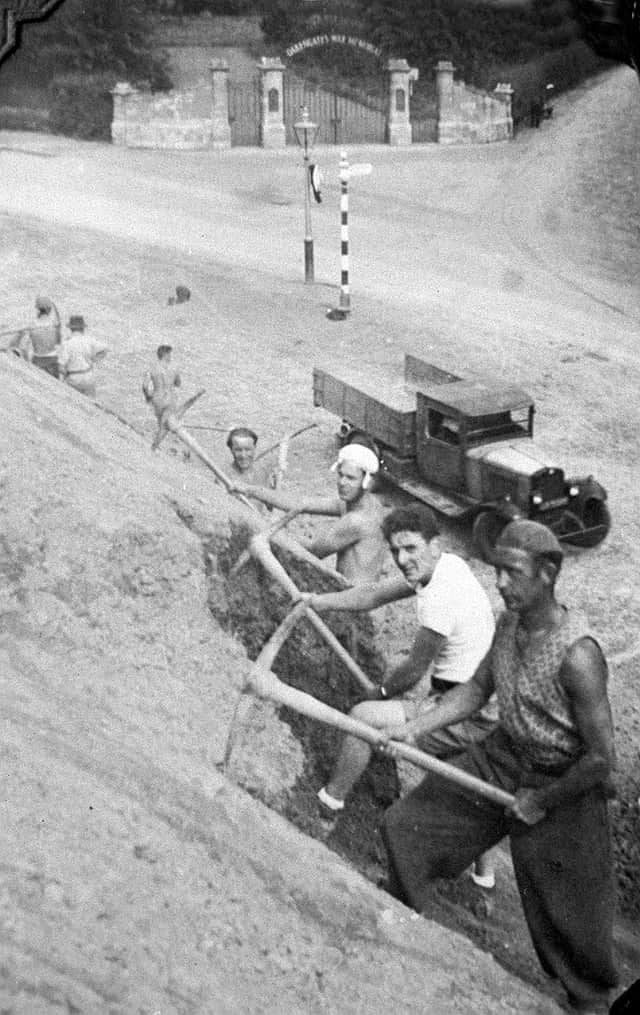
The heroes of the hour were foreign students from around the world. They were members of the International Voluntary Service for Peace organisation which sought to foster friendship, peace, and goodwill, and they travelled to Oakengates to work as volunteers to remove the pit mound during their holidays.
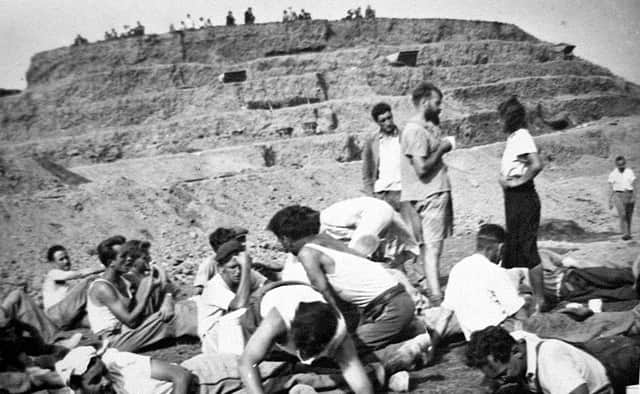

The Charlton Mound would be dubbed “The Mountain of Friendship,” the focus of an international effort which symbolised how peoples around the world could help each other.
And it is possible that those bonds of friendship saved the lives of Salopians during the war. Because there is an enduring, but ultimately unproven, story that a Luftwaffe airman who had worked on the project could not bear to drop his bombs on his assigned target, the Donnington army depot, as he knew that many of his English friends would be killed.
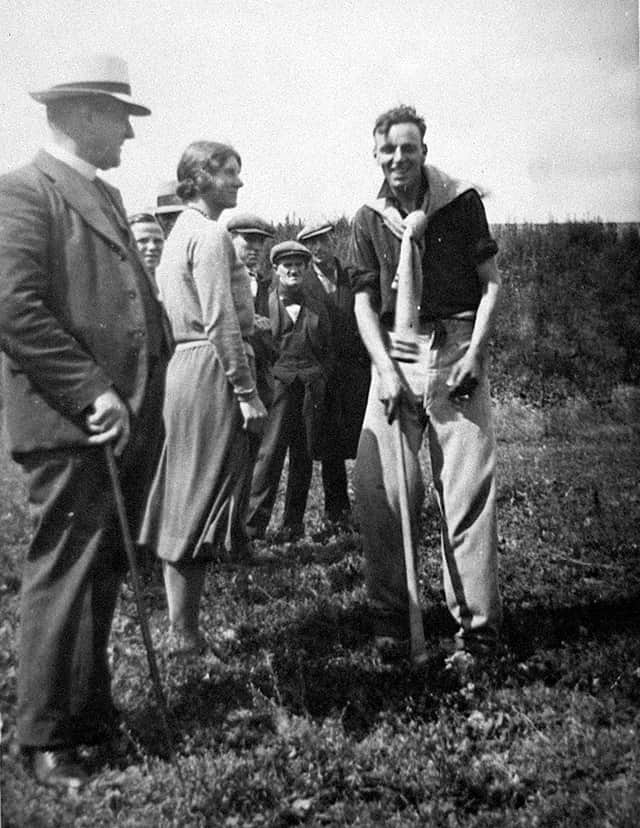
Oakengates had already had some success in clearing the many pit mounds in the area - there were said to be 70 within half a mile of the town centre - when work started to clear the Charlton Mound in 1933.
Space for a new churchyard, the site of a county senior school, and a public recreation ground had been created by clearing mounds, but the Charlton Mound was felt to be the greatest bar to progress.
Fourteen members of the IVS began work on July 14, 1933, with their leader, Dr Pierre Ceresole, who was the son of a former president of the Swiss Republic. Those involved were from many countries, and included English and Welsh, and within seven weeks 10,000 tons had been removed.
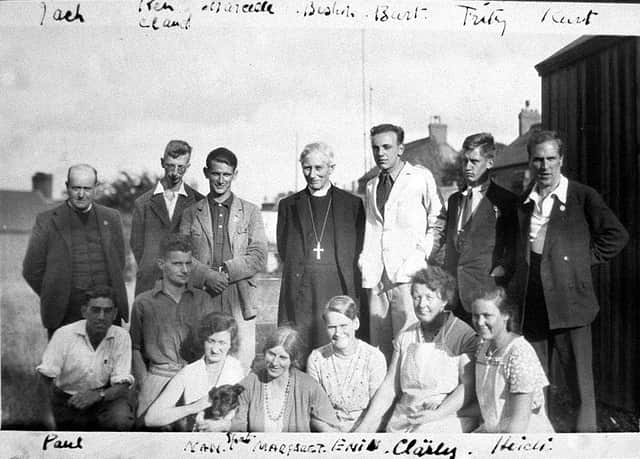
Some local unemployed people also lent a hand in the operation which was to continue with various trials and tribulations throughout the 1930s, including a temporary standstill in 1938 when a grant towards levelling was refused.
The project was completed in 1939, shortly before the outbreak of war. The first piece of land levelled was used to provide space for huts for the unemployed. The huts were later taken over by the post office.
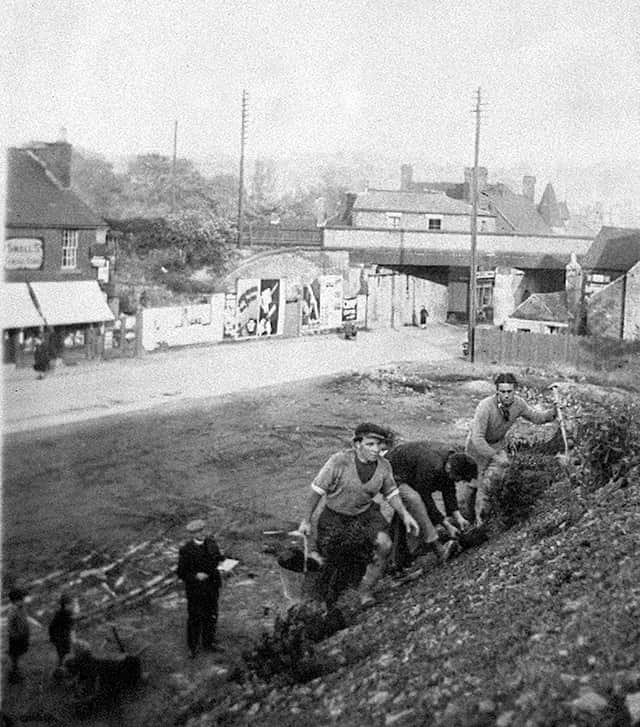
The reclaimed area was earmarked at one stage for new council offices, but in the event the council went elsewhere. The site became a bus terminus and later provided a doctors' clinic and then, in 1975, a home for the elderly known as Cartlidge House was built, named after the Oakengates vicar the Rev J E Gordon Cartlidge, known as Jack, who had been a leading light in the project. Cartlidge House closed a few years ago and has been demolished.
Years ago Mr Cartlidge told Oakengates historian Jean Beard how a German airman who was in hospital after being shot down in Staffordshire had asked him to visit. The German turned out to have been one of the students who had worked on the Charlton Mound.
He told Mr Cartlidge that he had been sent to bomb the Donnington depot, but instead dropped his bombs in nearby Lodge Wood, because he could not do it to his friends.
Another researcher on the same trail somehow came up with the name of “Ernst” for the airman concerned. Nobody of that name was ever identified as working on the Charlton Mound, and with all the principals now long dead it seems unlikely that the truth of the tale will ever be known.
Incidentally these historic photos of the Charlton Mound work belonged to Mr Cartlidge and he gave them to Jean.
- You can enjoy this and more with our weekly FREE Nostalgia Newsletter - with scores of archive pictures and exclusive features on the history of Shropshire and Mid Wales - all sent to your inbox every week. Sign up here
Comment Guidelines
Iconic Media encourages reader discussion on our stories. User feedback, insights and back-and-forth exchanges add a rich layer of context to reporting. Please review our Community Guidelines before commenting.