
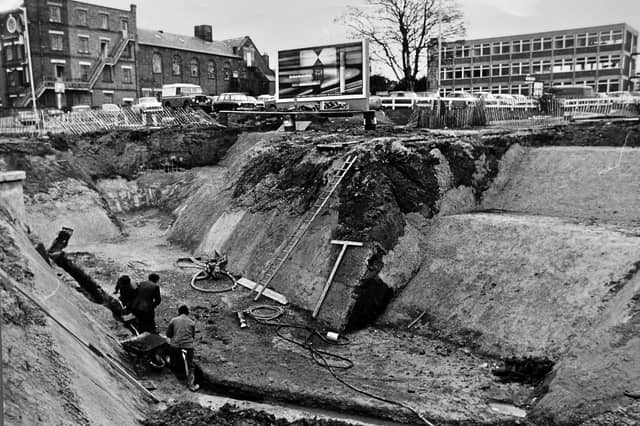

Step back into 1970s Wellington and see a familiar market town in the midst of dramatic change.
As the new town of Telford expanded around it, Wellington was reshaped during a decade of demolition, construction and redevelopment. Streets were altered, old buildings came down and new roads, pedestrian schemes and developments began to change the town’s appearance. Places such as Groom’s Alley and Tan Bank were transformed, creating a very different-looking Wellington from the one people knew before.
Yet among the building works and changing streetscapes, there are plenty of reminders of everyday life – familiar shops and businesses, busy roads, local landmarks and the people who lived and worked in the town.
Drawn from the Shropshire Star archive, these photographs capture Wellington as it looked during the 1970s – from demolition and construction to ordinary scenes of town life.
Take a stroll through the gallery and see how many streets, buildings, shops and familiar faces you can recognise. What do you remember about Wellington in the 1970s? Let us know in the comments.
- All aboard! Take a nostalgic trip through Shrewsbury station in 41 pictures
- You can enjoy this and more with our weekly FREE Nostalgia Newsletter - with scores of archive pictures and exclusive features on the history of Shropshire and Mid Wales - all sent to your inbox every week. Sign up here
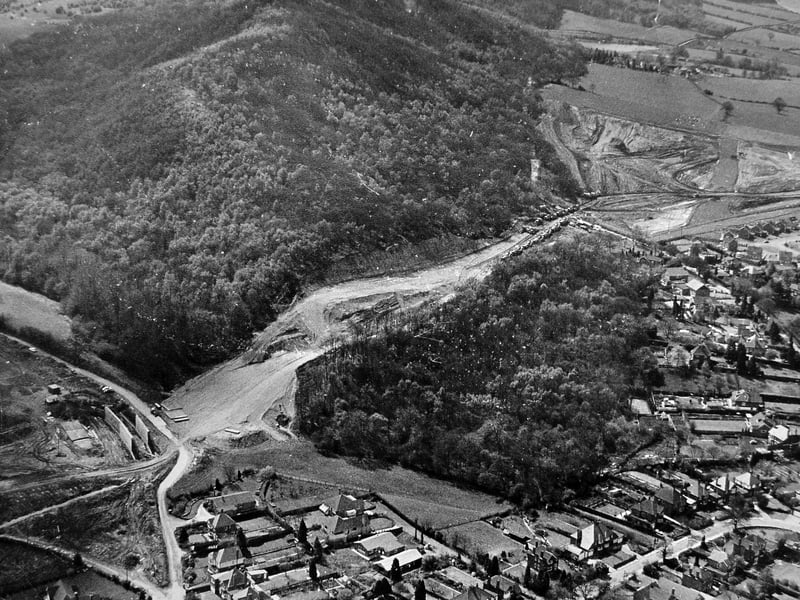
9. Carving out the course for the new motorway bypass
An aerial perspective captures ground clearing and initial construction for the M54 Wellington bypass on May 1, 1973, showing the new road route cutting directly through Ercall Woods. The ambitious civil engineering project reshaped the local landscape, clearing a wide swath of woodland to construct the vital highway link designed to bypass congestion in Wellington and connect the growing Telford new town area to the main motorway network. Do you remember watching the construction of the M54 Wellington bypass or seeing the landscape transform back in the 1970s? | Shropshire Star archive
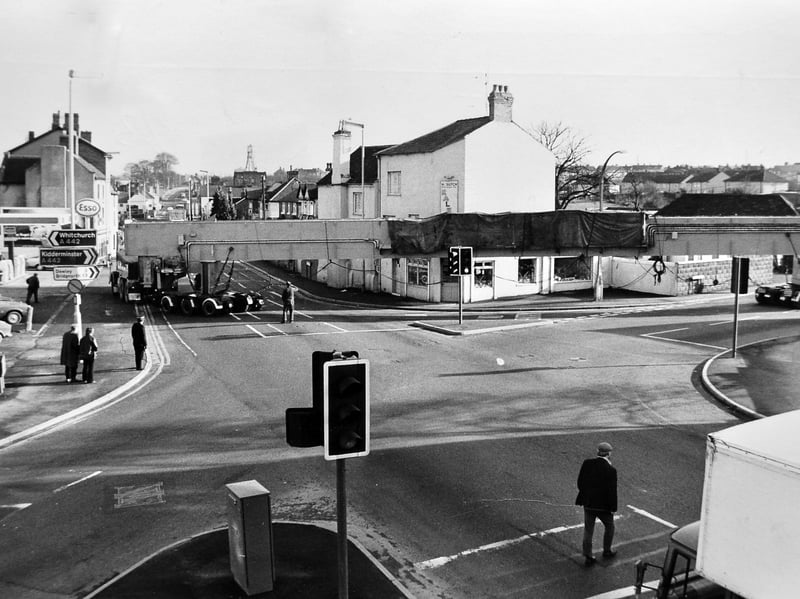
10. Navigating a massive 45-ton load through town traffic
A colossal 120ft steel girder carefully negotiates the traffic lights at the Cock Hotel junction in Wellington on November 15, 1974. Manufactured by Adamson Alliance of Horsehay, the 45-ton component for an overhead crane was bound for the Round Oak Steelworks in Brierley Hill. Measuring 145ft long in total, the heavy haulage rig required expert handling from driver Denis Roderick of Wrockwardine and rear steersman George Langport of Shrewsbury to manoeuvre through the town's tight crossroads. Do you remember seeing spectacular abnormal loads like this passing through Wellington back in the 1970s? | Shropshire Star archive
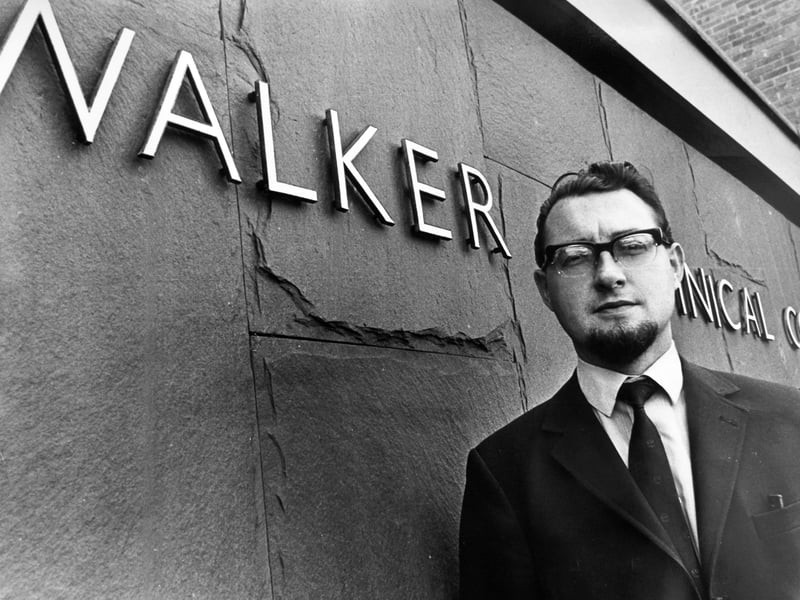
11. New vice-principal appointed at further education college
Mr Graham Smith poses alongside the building signage on October 5, 1972, following his appointment to the newly created role of vice-principal at Walker Technical College in Wellington. Having previously served as head of the general studies department, Mr Smith also acted as an adviser to ATV for a pioneering educational television series designed to support young learners. His promotion marked a key step forward in the college’s leadership and expanding curriculum during the early 1970s. Were you a student or staff member at Walker Technical College when Mr Smith took on his role as vice-principal? | Shropshire Star archive
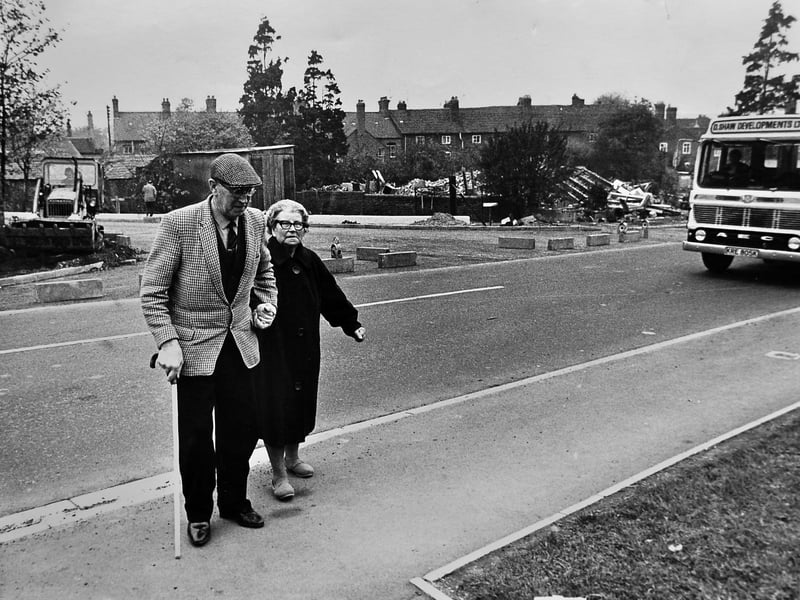
12. Relief for residents after campaign to close dangerous junction
Freddie Morgan, 74, guided by his wife Frances, 73, carefully crosses King Street near the newly built junction with Vineyard Road in Wellington in November 1973. The couple, who lived opposite the £50,000 junction, had voiced safety fears over fast-moving traffic and blind spots that put pedestrians at risk. Following local concern, Wellington Urban District Council recommended closing off the layout until essential safety improvements could be made. Do you remember the campaign to improve the Vineyard Road and King Street junction back in the 1970s? | Shropshire Star archive