
Miners' strike 40 years on: A tale of two coalminers
In March, 1984, Alan and Patrick were both youngish miners at Littleton Colliery, near Cannock. Both were members of the NUM, but from thereon their lives would take very different paths.
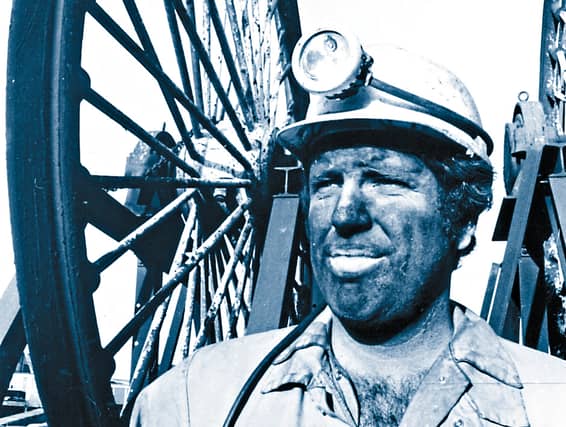


Alan needed little persuading to join the action, and was out for the duration, struggling to make ends meet over 12 bitter months. Patrick took the view that his own union branch had voted against the strike, and that there was no democratic mandate for a walk-out. Friendships were broken and he was shunned by his neighbours for crossing the picket lines.
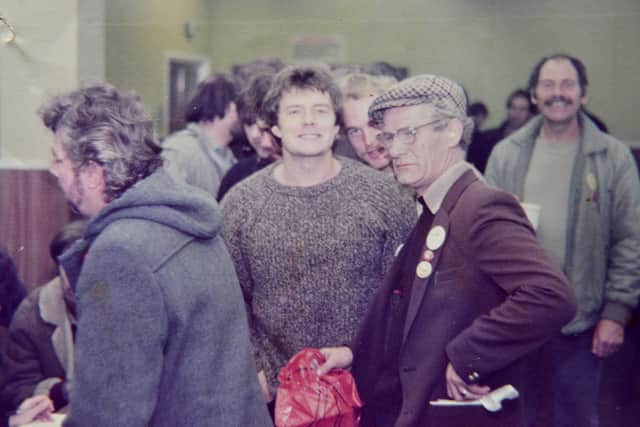
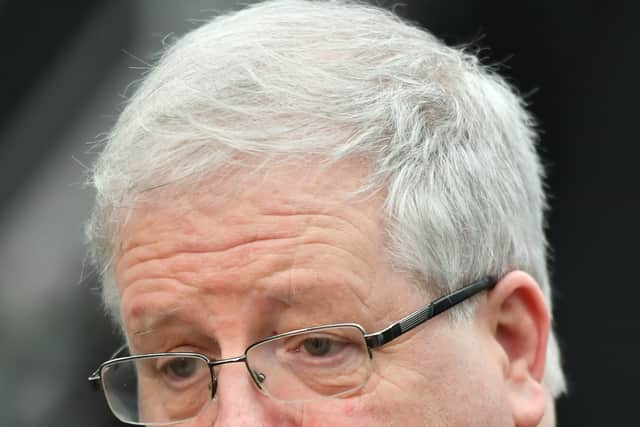
Alan, now 70, is Alan Pearson, now a Labour councillor and chairman of Cannock Chase District Council. Patrick is now Lord McLoughlin, a former chairman of the Conservative Party, and a Cabinet minister in David Cameron's government.
Forty years on, their memories of the dispute are very different.
"What do you think it was like?" retorts Councillor Pearson when asked about his experiences during the dispute.
"How would you have found it, being on strike for a year, with no money coming in and having a mortgage to pay?"

The hardships endured by miners who took part in the strike are well documented, but it seems crossing the picket lines was never a consideration.
"Wouldn't you do what you could for someone who needed your help?" he says. "People faced losing their livelihoods, and we were out to support them.
"At the end of the strike, when we came back to work, the ones that had been working clapped us on our return. What does that tell you?"
Did he have any friends who crossed him on the picket line?
"I had colleagues who went to work, but there's a difference between friends and colleagues," he says, carefully.
Was it not possible to be friends with miners who worked during the dispute? His demeanour softens, slightly.
"I've got friends who went to work during the strike," he says. "We all had to do what we thought was right given our circumstances.
"It went on for a year, and some of them couldn't hold out, they had to go back to work. I stayed to the end, but there were those who felt they couldn't go on."
There seems little doubt, though, that if he had his time again, he would do exactly the same.
"At the end of the strike, when we came back to work, the ones that had been working clapped us on our return," he says.
"What does that tell you?"
For Lord McLoughlin, the question of going out on strike hinged on the mechanics of the ballot.
"Had there been a national ballot, I would have gone on strike," he says.
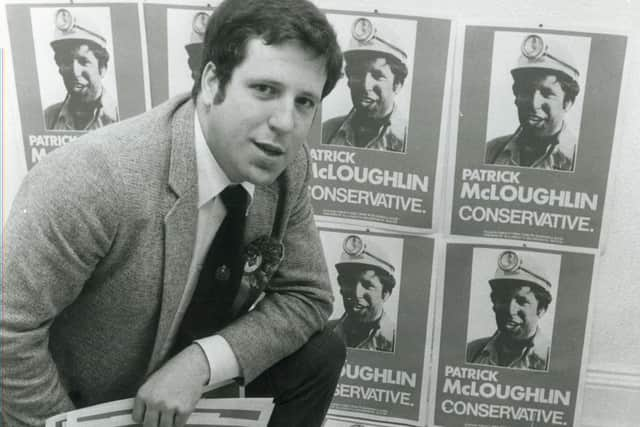
As a 22-year-old miner, and fully paid-up member of the NUM, young Patrick got a fair bit of ribbing when he stood to become a Tory councillor on Cannock Chase council in 1980.
There were even more raised eyebrows when he stood for the Conservatives against Wolverhampton South East MP Bob Edwards at the 1983 General Election.
But the jibes were always good natured, and politics wasn't really something that people talked about down the pit.
"There was good banter, there was a lot of leg-pulling," he recalls.
"The funny thing was, most of the miners were far more right-wing than me, they just happened to vote Labour."
But he found humour in short supply the following year, when he crossed the picket line in defiance of his national union bosses.
"There was a ballot in the western area, of which Staffordshire was part, and members voted overwhelmingly – from memory I think it was about 74-26, to go to work.
"I then looked at Arthur Scargill, who was trying to have a political fight with a party I supported, and I decided I wasn't going to be intimidated by him."
Many of the people who previously viewed his political activity as a bit of harmless eccentricity, now saw him as the enemy.
"There were people I had got on with who didn't speak to me after the strike," he recalls. "My life changed quite a lot."
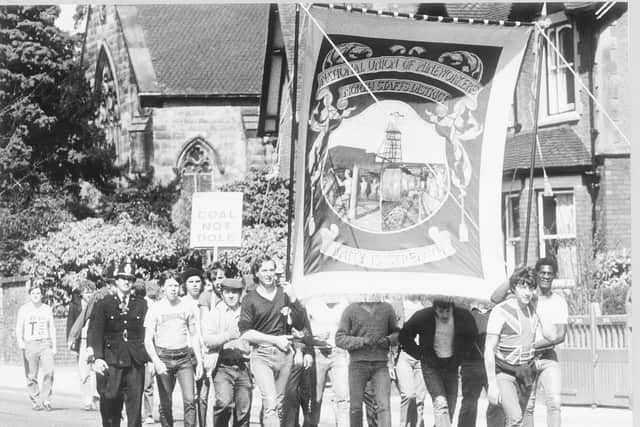
Lord McLoughlin says tensions were highest in the early months of the dispute.
"In the beginning people did feel intimidated," he says.
"At Littleton there were about 2,000 people employed. Not all of them were NUM members, but a lot of them were, and at the beginning there were something like 20 people crossing the picket line.
"There were times when it was very terrifying.
"We used to meet at the back of the DHSS car park in Cannock, and we would have a police escort so we could get in to work.
"There were a lot of pickets who were trying to stone us, so we were trying to outwit those, using different gates to go in."
By the time the dispute ended, 80 per cent of the workforce had already returned to work, and the tensions had eased a little. But many were still not in the mood for reconciliation.
"The people living next door were on strike all the way through, and they never spoke to us after that."
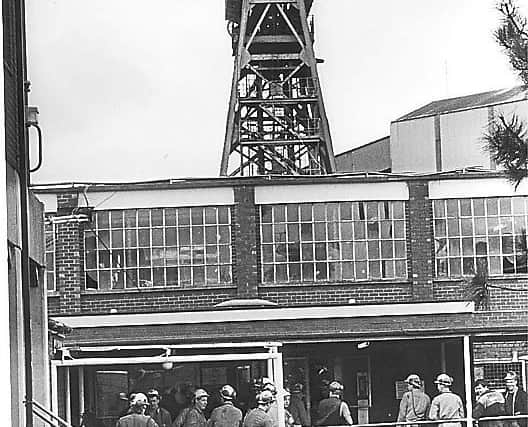
Lord McLoughlin believes that the way the strike unfolded would have been very different had NUM leader Arthur Scargill called a vote.
"The whole problem would have been avoided, everyone would have gone out on strike," he says.
In Patrick McLoughlin's case, the bad blood was relatively short-lived.
About six months after the return to work, he swapped his job as an underground belt attendant for a post in the National Coal Board marketing office, and the following year he left Cannock after winning a by-election in the neighbouring constituency of West Derbyshire.
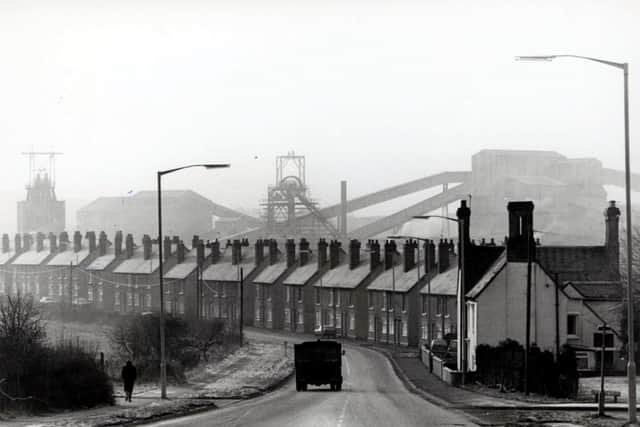
Has history, and the subsequent closure of Littleton Colliery, proved Arthur Scargill right – that Ian McGregor's modernisation programme was the thin end of the wedge?
"I don't think so," says Lord McLoughlin.
"If you look through history, mines have always closed, there were far more closures between 1964 and 1970, when there happened to be a Labour government.
"Littleton had been operating for over 100 years when it closed. If you are extracting materials from beneath the ground for that length of time, there is bound to come a time when it is no longer viable.
"Governments want to spend money on the health service, education and defence, not subsidising uneconomic coal pits.
"It's all about green energy now. We are trying to cut down on coal to meet net-zero targets. Last time they tried to open a couple of new coal mines, it was opposed by the Labour Party."
Comment Guidelines
Iconic Media encourages reader discussion on our stories. User feedback, insights and back-and-forth exchanges add a rich layer of context to reporting. Please review our Community Guidelines before commenting.