
Incredible story of Black Country WW2 veteran and last known survivor of 'death railway' who has died aged 104
A man from the Black Country who was the last known survivor of the death railway has passed away.
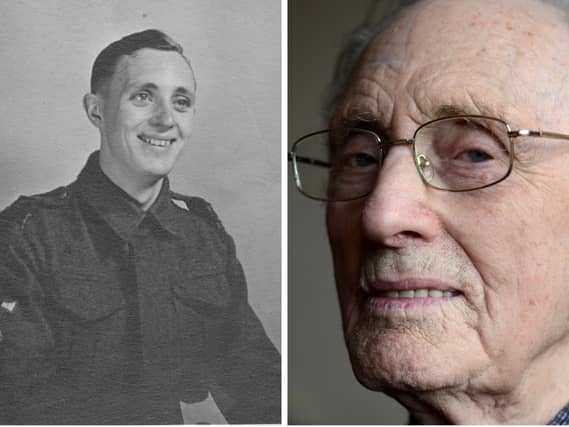


Jack Jennings, who was originally from Cradley Heath and had lived in Stourbridge, died on January 19 at the age of 104, in Torquay where he was residing.
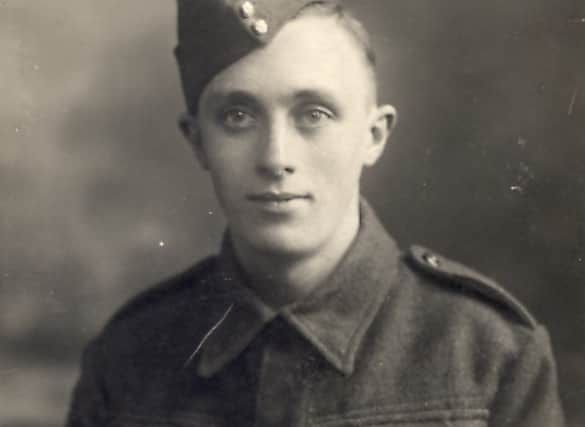
Mr Jennings had fought in the jungle in Asia during the Second World War and worked on the Burma Railway as a prisoner of war, returning to the battlefields in Singapore and Thailand years later as part of a National Lottery scheme.
He appeared in a National Lottery advert where he relived his experiences from the war as he returned to where he had been a prisoner of war.
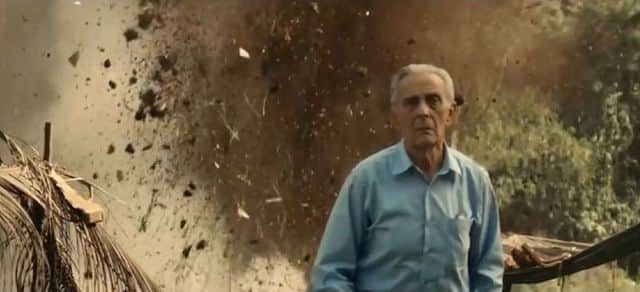
He said at the time that he had been able to pay his respects to those lost and also come away with a better feeling about the area after having lived through atrocious conditions and unimaginable sights.
Mr Jennings took part in the epic Battle of Singapore and suffered near-starvation on a Japanese prisoner-of-war camp before being sent to work on the railway line.
At 95, the retired joiner from Cradley Heath committed his memoirs to print in an online memoir.
He was part of the spirited defence of Adam Park, a strategically situated housing estate in the centre of the island, as part of the Cambridgeshires, a novice British infantry battalion which included many Black Country men.
They held their ground for four gruelling days until finally ordered by their commanders to lay down their arms.
It was the Allieds’ last stand before the fall of Singapore, an event described by Prime Minister Winston Churchill as the ‘worst disaster and largest capitulation in British history.’
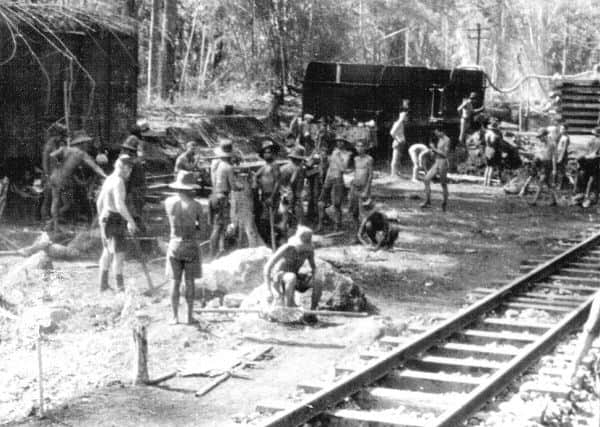
Of the 100,000 men taken prisoner, 9,000 died building the Burma-Thailand railway.
Mr Jennings, who was just 20 when he left his home in Church Street, Old Hill, to answer the call of duty, was among 500 soldiers who were rounded up at Adam Park and taken to Changi prisoner of war camp, worn out and starving, where they were fed little more than a bowl of rice a day.
He was later among those moved to work on the Thai-Burma railway, featured in the classic film The Bridge Over The River Kwai, the line devised by Japan’s Imperial Army at the height of the war to transport troops and supplies from Bangkok to Burma.
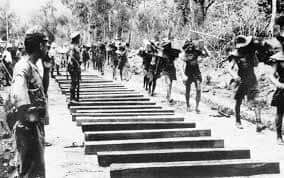
The line was completed in just a year but it cost the lives of around 13,000 POWs and 100,000 native labourers.
He said: “You just got on with it. I never gave up hope. I made up my mind to forget about home.
“They were brutal in the camp but not as bad as when you were working on the railway. They beat you up for the slightest thing.”
On his later return to the line where he toiled during the war he said: “When I first went back I was apprehensive as to what I’d feel like.
“But the concern as to how it would affect me disappeared at the places had completed changed.
“The camps weren’t there and there were no remains of prisoner conditions.
“I took it all in my stride and, in fact, it was a pleasure to go back.
“I paid my respects to my comrades, taken photographs of the graves and had replies from several people and relatives of the soldiers who’ve been in touch.”
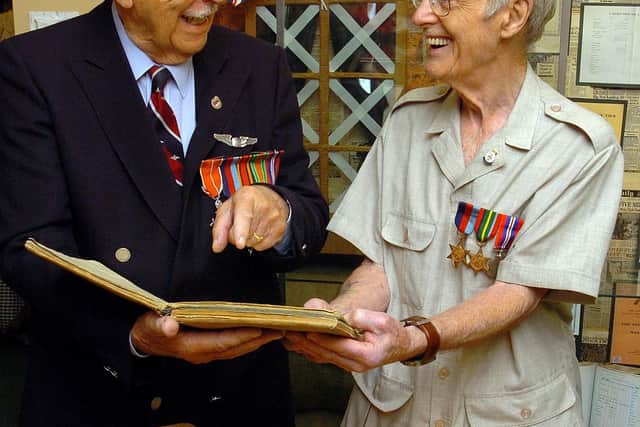
Mr Jennings moved to Torquay in 2007 to be closer to his family and leaves behind two daughters in Hazel and Carol, three grandchildren in Jenny, Carolyn and Richard and three great-grandchildren in Ethan, Lara and James.
The funeral for Mr Jennings will take place on Friday, February 16 at the Little Theatre on St Marks Road in Torquay at 3.30pm.
The family have asked for any donations to be made to Dementia UK or the Royal British Legion online at stockmanandloram.co.uk/donations.