
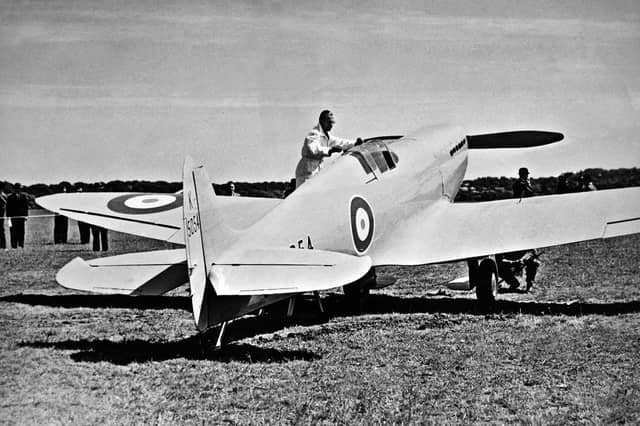

The Spitfire - iconic, legendary, and this year celebrating its 90th anniversary. Because it was back in 1936 that the Supermarine Spitfire made its maiden flight.
It was a weapon of war, and just four years after it first flew it took on the might of the Luftwaffe in the Battle of Britain, an aerial conflict which changed history. The exploits of the Spitfire and Hurricane squadrons made Hitler think again as he drew up his invasion plans.
Shropshire had its part in the Spitfire story. Some were based here, some were even made here. Hundreds were made at Sankey’s in Hadley during the war.
To mark the anniversary let’s bring you a selection highlighting some of Shropshire’s Spitfire links as well as some of the heroes who flew them.
- You can enjoy this and more with our weekly FREE Nostalgia Newsletter - with scores of archive pictures and exclusive features on the history of Shropshire and Mid Wales - all sent to your inbox every week. Sign up here
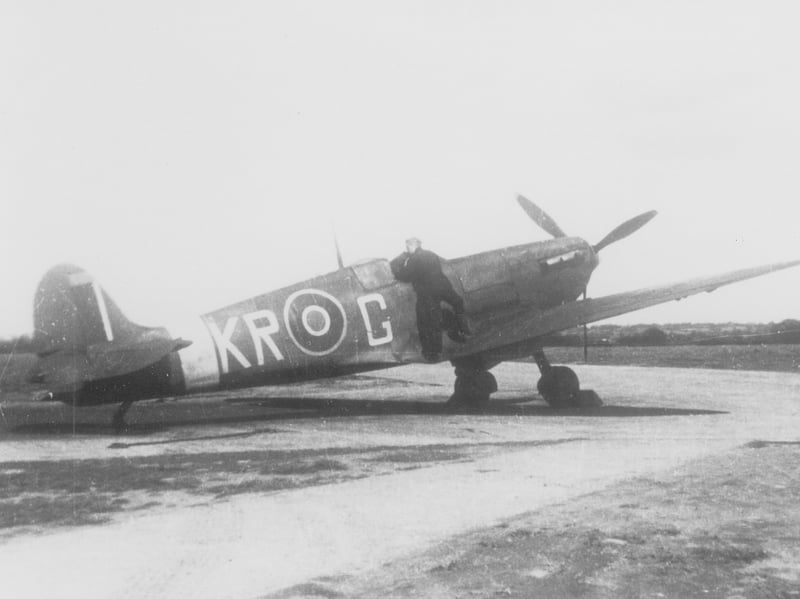
21. Preparing for take-off
Many Spitfire pilots were trained at RAF Rednal, near Oswestry, before going on to operations. With the chocks in place this plane is not yet ready to fly, and it looks like one of the ground crew is checking something in the cockpit. | Alec Brew
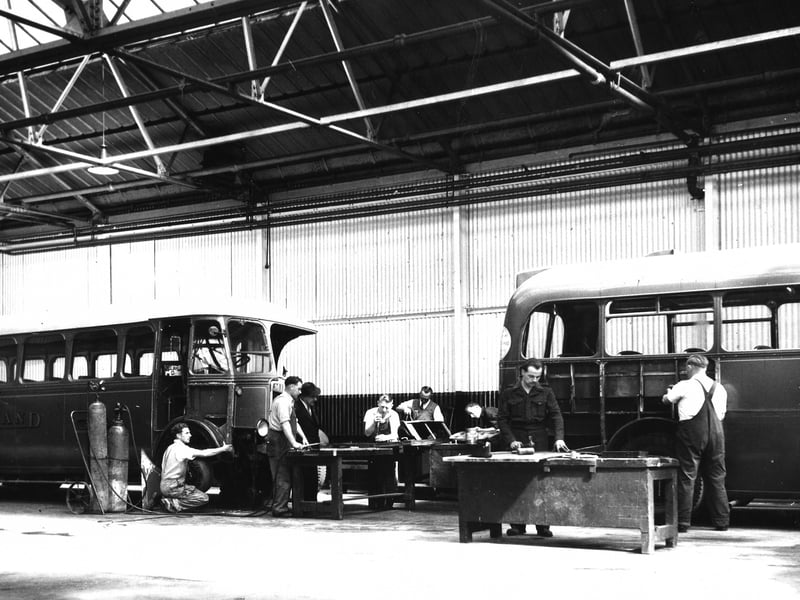
22. The bus depot which made Spitfire wings
Even if your aircraft recognition is particularly bad, you'll have trouble spotting any planes here. But there is a connection with our Spitfire theme. The picture came from the collection of Harry Turner of Newtown, whose father, also known as Harry, was resident engineer at the Midland Red bus garage in Shrewsbury and died in 1955 aged 50. He is on this picture wearing his trademark trilby hat. Young Harry told us that this photo showed the body shop, which was where Spitfire wings were made during the war, with part of the garage being taken over for the war effort. The date of the picture is unknown, but as there are no Spitfire wings in evidence, it will be peacetime. | Harry Turner
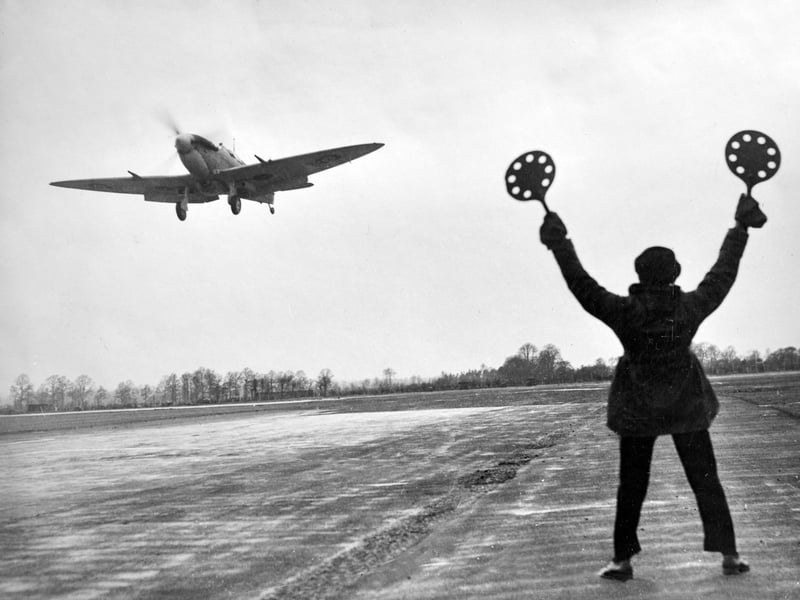
23. The Spitfire that went to sea
An official publicity photograph released on January 1, 1943, showing the Royal Navy's latest fighter - the Seafire, a navalised version of the Spitfire. In the foreground is a batsman, who on aircraft carriers would give signals to help guide pilots to land. The Seafire was not well suited to sea operations. A weak, narrow-track undercarriage led to many deck landing accidents and short range was an operational handicap amid the vast ocean expanses. | Express & Star archive
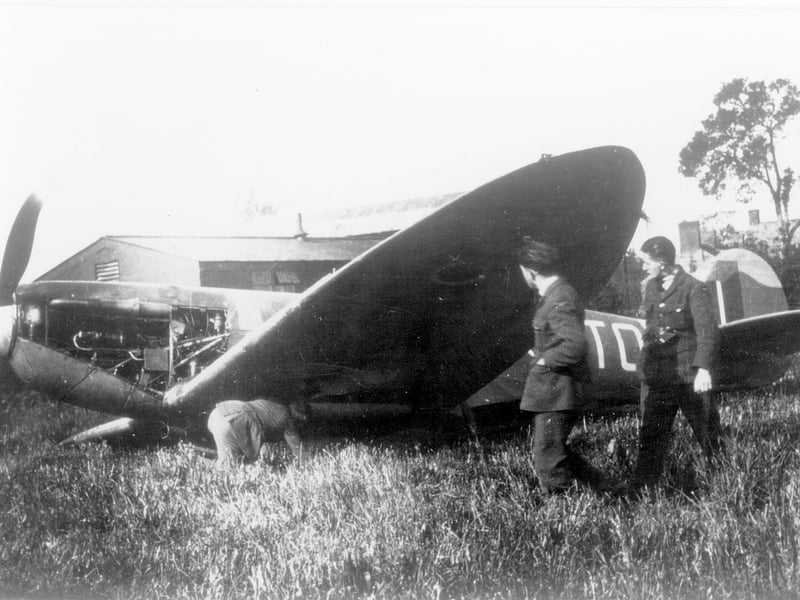
24. Legless at Rednal
On busy Spitfire bases scenes like this would not have been uncommon. There would be many crashes - or prangs, as pilots would call them - and they would wryly say that a good landing was one you could walk away from. This is another image taken at RAF Rednal. On the face of it, it looks like the undercarriage has collapsed. | Alec Brew