
The UK's most toxic plant is believed to have been found in a Kington riverside park
The UK's most toxic plant is believed to have been found in a Kington riverside park
The UK's most toxic plant, which can be fatal to humans, is believed to have been found on a riverbank in Kington.
Kington Town Council has released a warning to residents after a plant, which is believed to be the highly toxic Hemlock Water Dropwort, was found growing on the riverbank in Crooked Well Meadow.
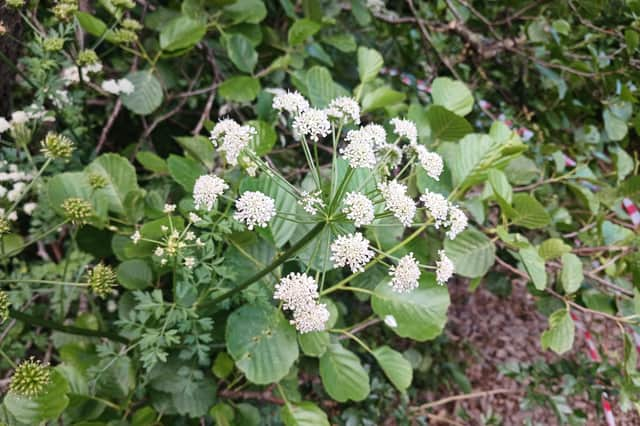

The town council is in the process of obtaining expert identification and will subsequently have the plant removed, but it has been cordoned off for the time being.
The toxic plant, sometimes known as 'dead man's fingers', can sometimes be confused with the common plant, cow parsley, which also produces small, white flowers.
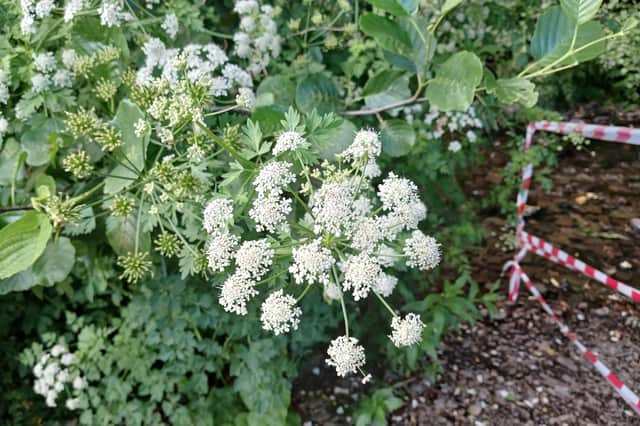
It grows in damp grassland and wet woodland, often along river and stream banks. All parts of the plant are extremely toxic and it has been known to cause human and livestock poisoning and can cause death if poisoning is left untreated after ingestion.
Instances of poisoning in humans are rare, with only 13 cases reported in Britain between 1900 and 1978, mostly involving children.
However, nine of these 13 were fatal.
Serious cases usually involved consumption of the roots, which were mistaken for parsnip. Symptoms include nausea, vomiting, seizures, hallucinations, ataxia, and haemorrhaging of the brain and lungs
The plant is said to contain highly toxic compounds, known as oenanthotoxins, but its roots are considered "particularly dangerous".
Comment Guidelines
Iconic Media encourages reader discussion on our stories. User feedback, insights and back-and-forth exchanges add a rich layer of context to reporting. Please review our Community Guidelines before commenting.