
No end in sight for cost-of-living crisis for those hit hardest at Shropshire food banks
With inflation down to the lowest level in nearly two and a half years, many are predicting 2024 will mark the end - or easing - of the cost of living crisis.


While inflation has come down quite considerably, it doesn't mean that prices are falling. In fact, it means they are still rising - just not quite as fast.
A combination of lower inflation and sustained wage growth should mean British households “start to feel better off” this year, according to the National Institute of Economic and Social Research (NIESR).
But for those on low incomes, who have been hit the hardest by the crisis, economic recovery to pre-pandemic levels is not expected for another three years.
According to the NIESR, those on low incomes suffered "a disproportionately large hit" to their living standards. Since 2019-20, their disposable income has taken a hit of between seven and 20 per cent.
The report, published in February, said the poorest 10 per cent of households have had an income shortfall of some £4,600 on average. For many, that shortfall has seen them turning to food banks to help feed their families.
The most recent data available from the Trussell Trust demonstrates the increase of use has been in their three food bank locations across the county during the cost-of-living crisis.
Between April and September 2021, the locations handed out 4,408 food parcels. Two years on, numbers had jumped by over 28 per cent to 5,652 parcels. Almost 400 more parcels were given out to feed children.
Those outside the trust have also seen numbers soar in recent years.
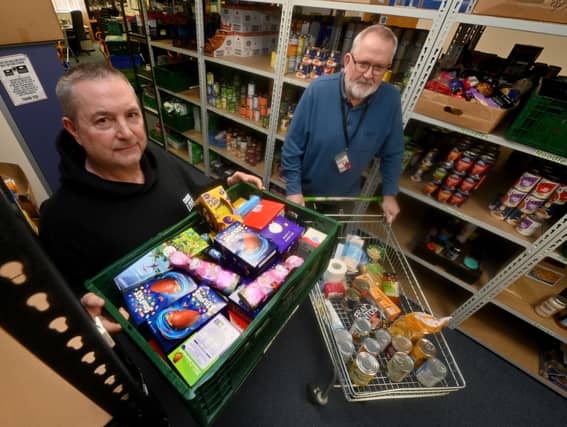
Simon Lellow from Telford Crisis Support said: "Numbers have risen really consistently from when we started 10 years ago.
"In the last four years, we did 90,000 meals, then 120,000 meals, then 180,000 meals, last year we did a quarter of a million meals. This year, we're sitting at about the same level, just above but not much above.
Simon said that temporary measures such as the cost of living payments have helped people on the lowest incomes in the short term, but they have only provided temporary respite.
As well as offering a food bank, the centre also offers a baby bank - providing essentials such as nappies, hygiene products, and baby clothing for new mothers in need - and a school uniform bank.
Simon said the baby bank has seen referrals from social services and healthcare workers double in the last 12 months.
"It's certainly concerning, the narrative that the cost of living crisis is over is certainly not what we see from our point of view," he added.
"A lot of our clients have been in the cost of living crisis for a long, long time. It's not new. For many they've gone from a cost of living crisis into a cost of subsisting crisis because of the pressures and the increase in rent, gas and electric, hygiene products, council tax - everything's gone up.
"There's always a bit of a lag with issues like this because people build up debts in the background.
"The debts can build really quickly and that creates a longer-term problem because they've got other costs that are dragging them back down. It'll be difficult to turn it around from where we are now."
Looking back over the last decade of work, Simon said: "None of us expected [food banks] to become a fixture, which they are now."
In Bridgnorth too, volunteers can't quite believe they're still desperately in need 11 years on.
Liz Bird of Bridgnorth Food Bank said: "We started on February 4, 2013. I don't think we realised how difficult it would get. Since lockdown, it's just been one thing after another.
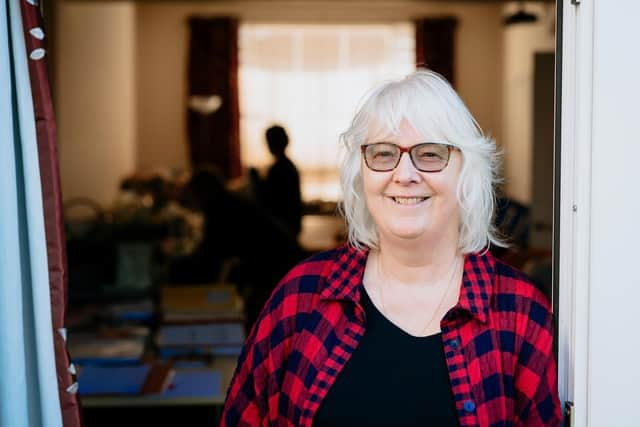
"We're seeing more families come in because of the cost of living crisis - that's risen quite dramatically."
"Providing food for more than 50 adults is quite a stretch when we're only there for two hours in the week.
"I think people forget that foodbanks have been around since the 1920s, it's not a new thing. What's new is the spread of them, and it's not just the homeless now, it's people who are working and not earning enough, or people who can't work for one reason or another.
"We have families who are in work, but because of something that has happened their wages can't cover the cost of food for their children."
Liz said that those in Bridgnorth, like in Telford, are also seeing debts pile up.
She said: "There's no saving cushion for people to fall back on, debt is something we're hearing about from a lot of people - a debt of one form or another - and many not because of their fault."
At the end of February, research by YouGov on behalf of the Trussell Trust, found that 3.4 million people claiming Universal Credit (52 per cent) had either fallen behind on bills and credit commitments or were finding it a "constant struggle" to keep up with them. Two in five people (42 per cent) said they were behind on one or more household bills.
In December 2023 and January 2024, approximately 2.7 million people on Universal Credit (42 per cent) reported that they had to skip meals to keep up with other essential costs like utilities or rent. Two in five (43 per cent) people reported being unable to keep their home warm over winter.
Liz also said mental health was something more people were struggling with, a trend she has noticed growing since the pandemic.
"There's no stability, and I think that's what people are frightened of, frightened of losing their jobs or not being able to get a job.
"Covid locked everyone away, and some people are still quite frightened about going out. There are children still frightened about going to school.
"Mental health struggles are something we're seeing across the board, and that's in every age group we're helping."