
How the Ironbridge Gorge Museum Trust preserved the birthplace of modern industry
The Ironbridge Gorge shaped the modern world - centuries later, a dedicated community has fought to preserve its legacy, rebuilding the past brick by brick for future generations.


During the 18th century, the Ironbridge Gorge was the epicentre of global industrialisation - the Silicon Valley of its day.
Centuries later, as ideas spread around the world and technology began to move on, many of the Gorge's important sites fell into decline.
Before long, efforts began to be made to preserve the history of the area.
In the 1950s, a group of local people formed the Coalbrookdale Archives Association and began rescuing books and objects that would otherwise have been destroyed.
In 1967, the recently formed Dawley Development Corporation (later, the Telford Development Corporation) set up a museum trust to restore and protect important sites - including Coalbrookdale, Coalport, Blists Hill, Bedlam Furnaces and - of course - the Iron Bridge.
In 1971, the trust began to raise money for the development of an open air park which would eventually become Blists Hill Victorian Town.
Blists Hill
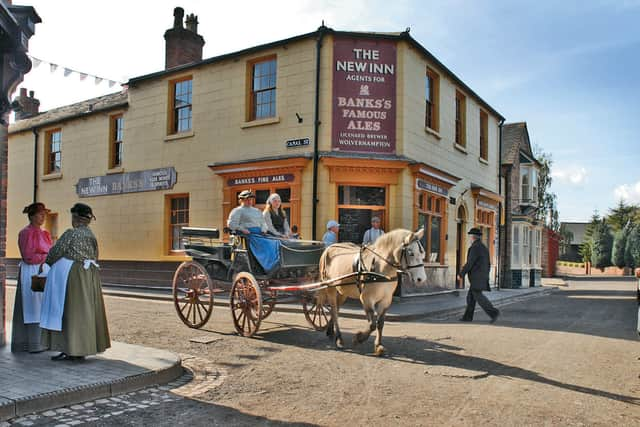
What became the most popular museum in the trust's collection was also the first.
Blists Hill opened to the public in 1973, on the site of former a iron making, mining and brickmaking complex in Madeley.
The museum was created as a way to provide a permanent home for important historic buildings that were being demolished to make way for the development of the new town of Telford.
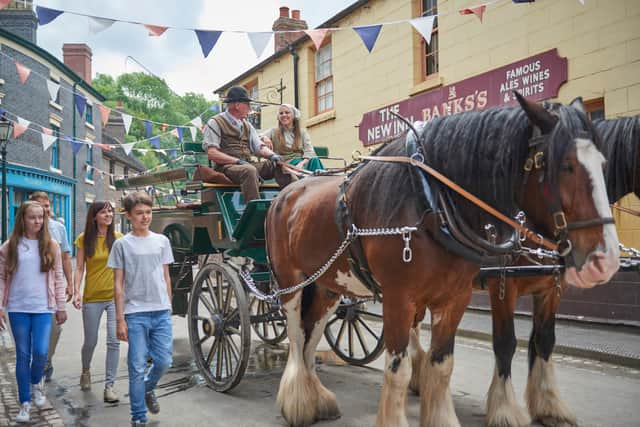
Relocated buildings include several from Ironbridge, a tallow candle manufactory from Madeley, a bakery from Dawley, the physician's surgery from Donnington, the school from Stirchley and the cafe - the Forest Glen pavilion that used to sit at the foot of the Wrekin.
Over the years, the museum has featured as a filming location for several productions, including Blue Peter, Doctor Who and Antiques Roadshow.
Coalport China Museum
Just four years after the opening of Blists Hill, the Coalport China Museum opened to the public in 1977.
The museum presents the history of Coalport China, a manufacturer of fine British chinaware which was built on the site in 1796.
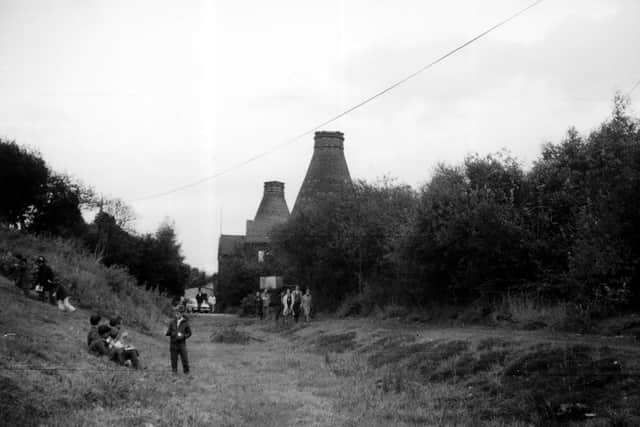
In its heyday, Coalport won many gold medals and prizes for its work at international exhibitions, including the 1851 Great Exhibition held in the Crystal Palace at Hyde Park.
The China Works were based at the canalside factory until its closure in 1926. Half a century later, the site was bought by the trust and restored.
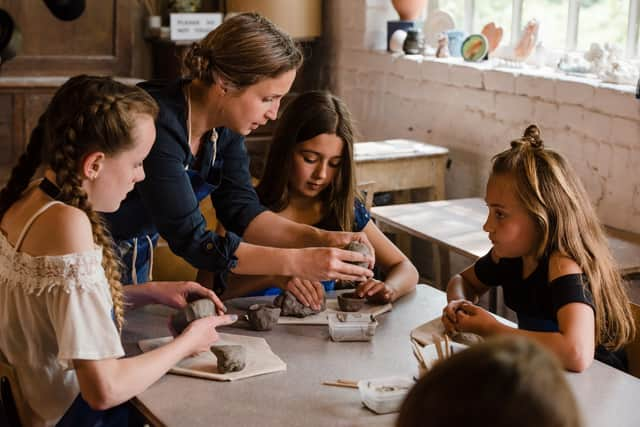
Just one year after opening, the Coalport China Museum won the Museum of the Year Award and the European Museum of the Year.
Museum of Iron
The bicentenary of the Iron Bridge in 1979 saw a raft of development in the Gorge at the hands of the museum trust. In July, the then HRH Prince Charles opened the Museum of Iron.
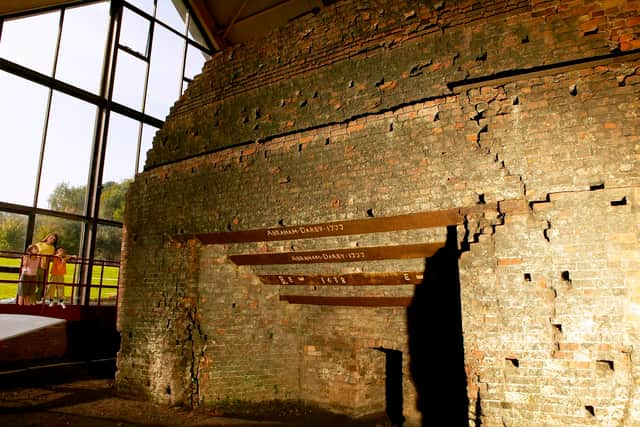
The museum is housed in the Grade II-listed Great Warehouse of the Coalbrookdale Company, which was originally built in 1838 and used by the Company to store cast iron products until as recently as 1979.

It features the remains of the revolutionary water-powered blast furnace known as the Old Furnace - where Abraham Darby perfected the smeling of iron with coke.
The furnace was initially excavated in 1959 by Allied Ironfounders - the successors to the Coalbrookdale Company - to celebrate the 250th anniversary of Darby's first coke smelting.
Jackfield Tile Museum
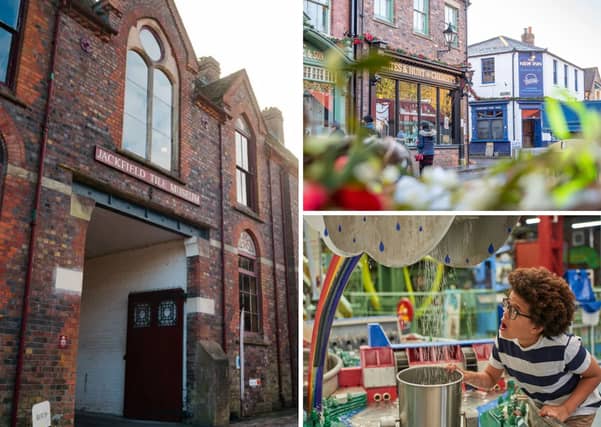
Purchased by the trust in 1983, Jackfield Tile Museum is housed in buildings that were originally opened in 1874 as a ‘model’ factory, for the Craven Dunnill company.
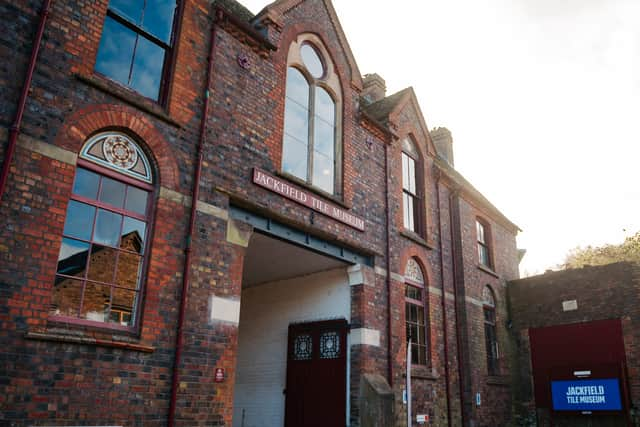
The company had given up its Jackfield works in the early 1950s, but resumed production at the site in 2001.
By the mid-1980s, visitor numbers began to take off - with 276,052 people visiting the museums in 1985.
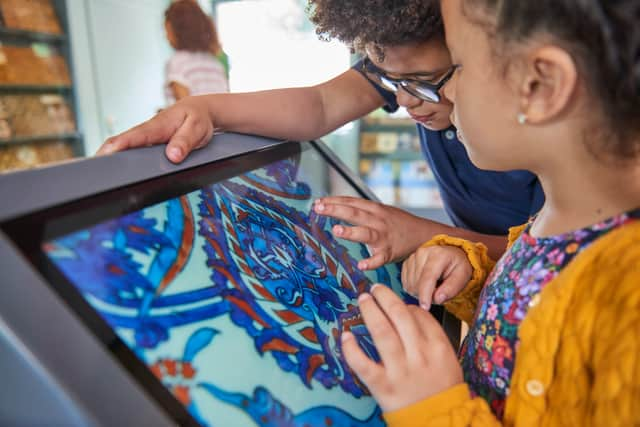
In November 1986, UNESCO selected Ironbridge to be a new World Heritage Site and by 1988, visitor numbers soared by 62 per cent to 404,000.
Broseley Pipe Works
Broseley Pipeworks ceased operating as one of the UK’s last producers of clay tobacco pipes in the late 1950s.
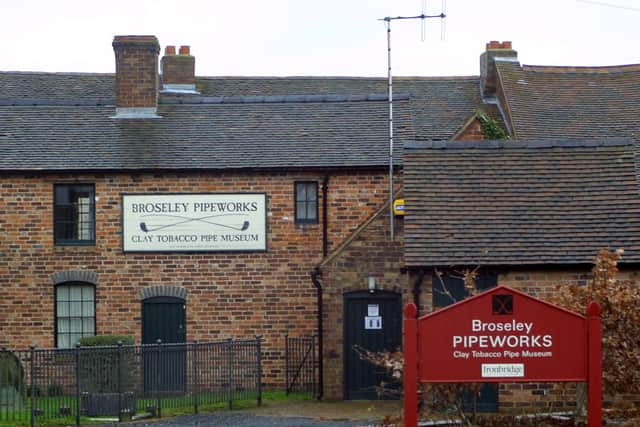
Following a grand renovation of the Grade II listed buildings in the 1990s, it was refitted with almost all of its original fixtures and fittings and is now the only pipeworks in the country complete with its original equipment.
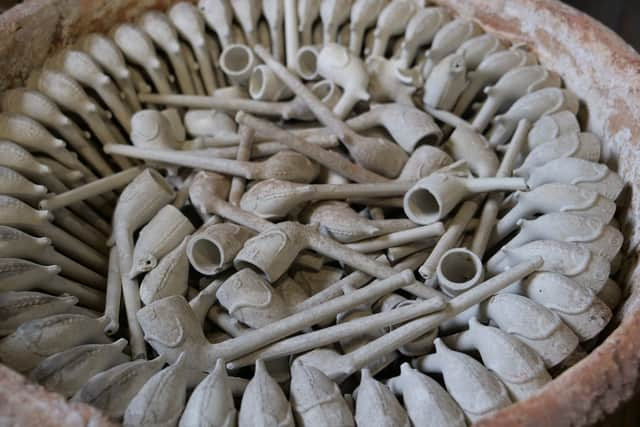
While the last workers left the factory in the 1950s, the art of pipe-making has been kept alive by a team of volunteers since the museum opened to the public in 1996.
Enginuity

Five years later, a massive restoration saw the creation of Enginuity and the trust's offices in several Coalbrookdale buildings, including the old offices, assembly shops and warehouses of the Coalbrookdale Company Engineering Works.
Billed as the UK's first design and technology visitor attraction, the £7million centre opened to the public in 2002.
Comment Guidelines
Iconic Media encourages reader discussion on our stories. User feedback, insights and back-and-forth exchanges add a rich layer of context to reporting. Please review our Community Guidelines before commenting.