
Hedgehog numbers have halved, Telford conference is told
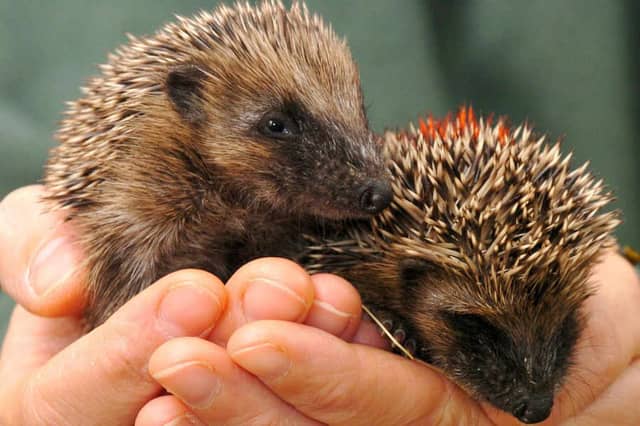

The number of hedgehogs in rural counties such as Shropshire has halved over the past 15 years, it was revealed at the national hedgehog conference held in Telford today.
The statistics were released in a new report by the People's Trust for Endangered Species and The British Hedgehog Preservation Society.
The report, entitled The State of Britain's Hedgehogs 2015, says urban areas have also been affected, with the number of hedgehogs declining by a third over the same period.
It is the second comprehensive national review of the status of hedgehogs nationally, following on from a similar report in 2011. The loss of hedgerows and intensive farming in rural areas, along with tidy fenced-in gardens in urban and suburban locations, have been identified as some of the threats contributing to the demise of hedgehogs.
While precise figures are hard to ascertain, it is believed that there were about 30 million hedgehogs in the 1950s. In 2000 the figure was estimated to be about 1.55 million, and experts now believe the hedgehog population has fallen below a million for the first time.
The conference was also used to mark the launch of a 10-year conservation strategy for the hedgehog in Britain. The report, published by PTES and BHPS, has been developed in consultation with scientific experts, government bodies and other organisations to help plan conservation action up to 2025.
Among the speakers due to appear at today's conference is top expert Pat Morris. Formerly of Royal Holloway, University of London, Morris's work in the 1970s revealed a direct link between hibernation and climate.
Hedgehogs came out of hibernation up to three weeks earlier in the South West of England compared to Scotland. Furthermore, in East Anglia, hedgehogs spent longer hibernating than in the London area or south-west. This marked difference in hedgehog hibernation patterns across the UK shows a general trend of prolonged inactivity in proportion to the coldness of the winter.