
Teachers spend years buying items from car boot sales and charity shops to create unique room for pupils
At Much Wenlock Primary School they have a drive to be as sustainable as possible, and early years lead Emma Nicolas has taken this to the extreme.
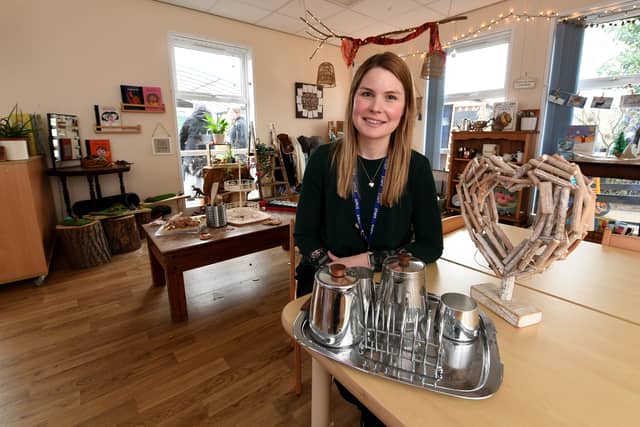

When she arrived at the school more than four years ago and entered her classroom block known as the EYFS Hub for the very first time, she had just a table and a bookshelf.
But, now after years of collecting and buying items from charity shops and car boot sales - together with her colleague Nicole Hinds - pupils have a unique and busy environment to enjoy.
Much Wenlock Primary School has a ‘no plastic’ approach. Leaders want children to learn and play through real world items.
And, so each table and bookshelf, to each clothing item, accessory and toy inside the early years block has been sourced and rescued from being unwanted to becoming part of their pupils’ “home-from-home”.
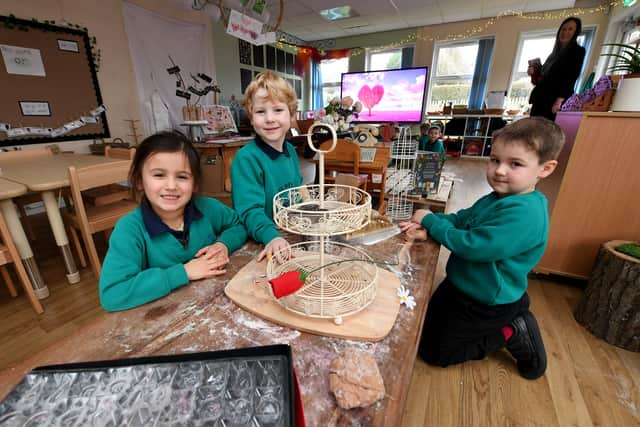
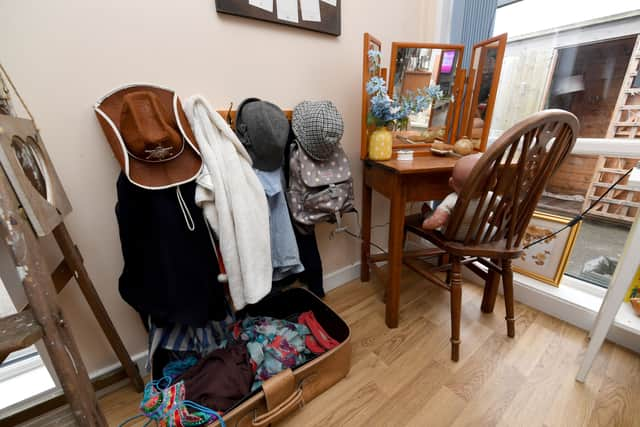
The room features suitcases - some filled with sand - lamps, wooden pallets and reels, step ladder shelving units, tree stumps, guttering, china sets and everyday home items, and old clothes used for dressing up.
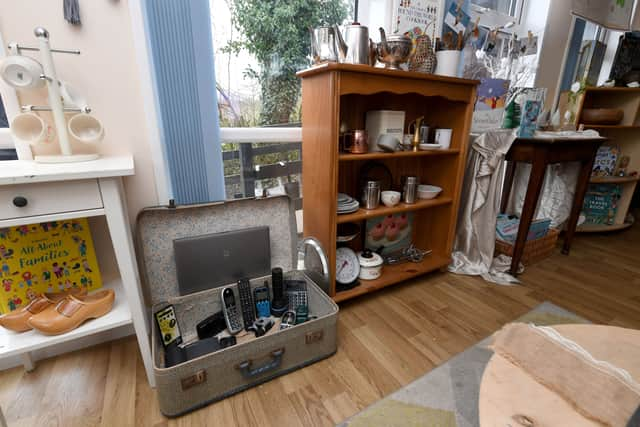
Moreover, an old wine rack is used as a store for paint while Emma has sourced old technology items including phones and laptops to be used as dummies.
But, possibly most impressively, the primary school’s early years lead and acting assistant head teacher purchased an Aladdin Genie Lamp for £2 which she claims is actually worth hundreds.
Emma said: “When I took over there was nothing in that room, it was pretty much empty apart from a table and a bookshelf.
“So what we had to do was decide on how we wanted the room to look and feel.
“We went to car boot sales and me and my team spend most of our weekends buying stuff to create this room that we have.
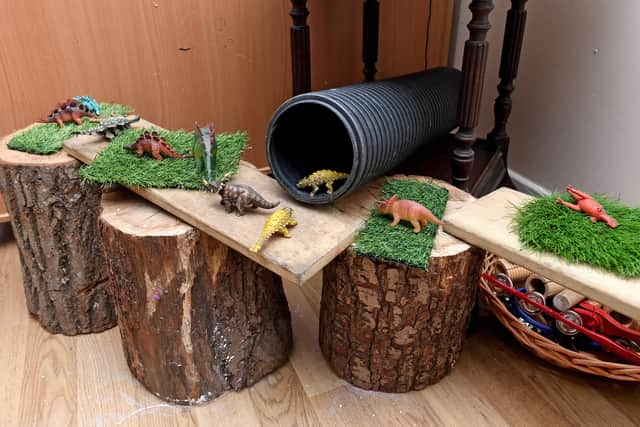
“So we have built it up from absolutely nothing to create a space that is homely and full of natural resources.”
Children also enjoy pushing an old 1970s cocktail trolley with calming music as background noise.
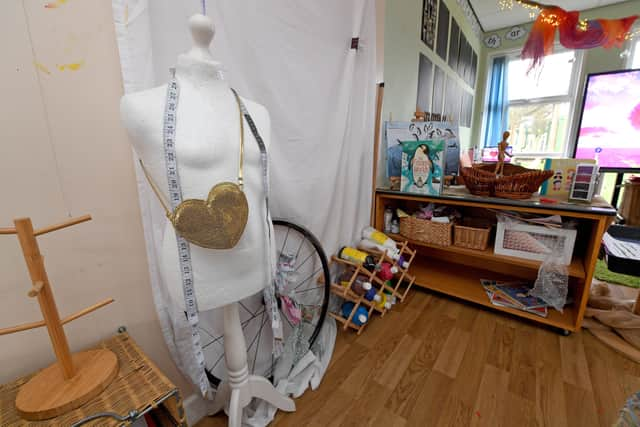
The main lights to the early years block are also never switched on, and instead light is provided through lamps and fairy lights - which were also sourced from charity shops and car boot sales.
“We wanted real objects, we wanted things that were more meaningful,” Emma continued.
“If you pick up something plastic it is always going to feel the same whereas you could pick something up that is made of glass or wood, or anything with natural materials then it isn’t going to feel the same so the sensory input is different.”
Comment Guidelines
Iconic Media encourages reader discussion on our stories. User feedback, insights and back-and-forth exchanges add a rich layer of context to reporting. Please review our Community Guidelines before commenting.