
Study at Shropshire National Trust site finds 'young people benefit from time connecting with nature'
The study took place at Carding Mill Valley
A study carried out at a Shropshire National Trust beauty spot has found that young people “really do benefit from time connecting with nature”.
The research was carried out by Lou Hudson at Carding Mill Valley, near Church Stretton as part of her masters degree in Behaviour Change at the University of Derby.
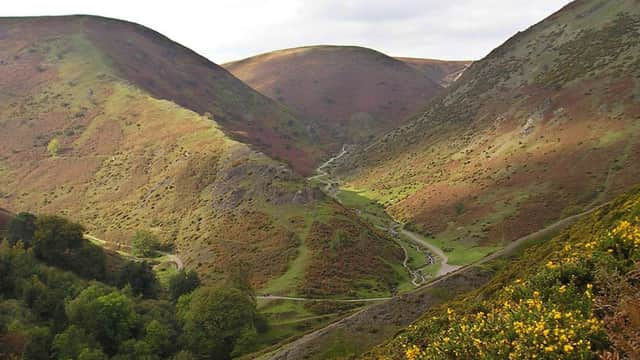

Her study investigated the impact of nature-based school visits delivered by National Trust volunteers.
The Next Generation Nature visits, funded by Starling Bank, enabled school children from urban areas to visit Carding Mill Valley where volunteers led them on nature walks, guided them in river dipping activities and encouraged them to use their senses to actively notice nature.
The study involved gathering data from young people aged nine to 11 and their teachers before and after the activities.
A statement from the National Trust said the study had shown encouraging results, adding: “After crunching the numbers and analysing the responses, the study showed effects that are important for both children and nature.
“The research focused specifically on measuring the young people’s wellbeing and level of connection to nature before and after the activities, as well as asking questions about how spending time in nature made them feel and whether they had learnt anything new about themselves.
“The teachers were asked whether they had noticed any changes in the young people as a result of the day.”
The project was supervised by Dr Caroline Harvey and Dr Fiona Holland from the University of Derby’s Nature Connectedness Research Group.
The National Trust said the research results showed that the young people’s levels of nature connectedness and wellbeing were significantly higher after their visit than before it, and that greater feelings of connection to nature were linked to greater wellbeing.
Some of the key themes were the young people’s emotional responses to being in nature, an appreciation of the beauty of the natural world and feelings of compassion towards it, and the sense of achievement that accompanied overcoming challenges, such as walking up steep hills.
One child who visited said afterwards that they felt “calm because the river, trees and birds were soothing”.
The young people’s confidence was also positively affected, with another child reporting “I can do more than I realised”.
One of the teachers said: “It’s amazing that children who struggle academically are so happy to learn about the outdoors and confident to answer questions and pass on their knowledge.”
Speaking about the research Lou Hudson said: “Everyone involved with these school visits always believed that they were beneficial.
“The National Trust team knew anecdotally that children seemed happier, braver, calmer and more content after their day in nature but it is fantastic to be able to demonstrate evidentially and statistically that spending time actively engaging in nature-based activities boosts young people’s feelings of wellbeing and increases their connection with the natural world.
“The research strongly suggests that spending time in nature really is what young people need.”
Tom Blackwell, visitor operations and experience manager at Carding Mill Valley said: “The findings from this research are hugely encouraging and reinforce something we see every day through our work with children: when young people are given the opportunity to spend meaningful time in nature, it can have a lasting impact on how they feel, what they learn and how they see the natural world.
“Connecting children with nature is about more than improving wellbeing in the moment. We know from previous research that people who feel connected to nature are more likely to care about it and want to protect it. The National Trust’s Strategy to 2035 aims to restore nature, to end unequal access to nature, beauty and history and to inspire more people to care and take action for nature.
“This research shows how closely those ambitions can be connected. By helping all children develop a meaningful relationship with nature from an early age, we can support their wellbeing today while helping to foster the care, connection and sense of responsibility that nature needs for the future.”
Lou added that the research was just the start, saying: “I am ambitious and optimistic about the contribution behaviour change can make to supporting nature recovery and reversing biodiversity loss.
“By connecting people of all ages more closely with the rest of nature, we can not only improve their wellbeing, we can also change their behaviour so that collectively we all play our part in restoring the natural world.”
After presenting her findings to the National Trust’s Carding Mill Valley team this month, Lou will be disseminating the results to the wider organisation later in the year.
Comment Guidelines
Iconic Media encourages reader discussion on our stories. User feedback, insights and back-and-forth exchanges add a rich layer of context to reporting. Please review our Community Guidelines before commenting.