
'Unviable' former youth club building in Shifnal set to be disposed of
Shropshire Council needs to “identify opportunities for capital generation”
A community hall and former youth club in Shifnal is set to be disposed of after being deemed surplus to requirements.
The St Andrews building, off the A4169, is in a poor condition, meaning that retaining it is now considered unviable.
The former tenants held the lease from 1972 before it was returned to Shropshire Council just over a year ago.
The council says no repairs were carried out over the term of the lease, apart from the installation of new windows. Heating, meanwhile, was installed several years ago, and a main hall floor replaced.
The site was previously considered a contender for a community asset transfer. However, Shifnal Town Council commissioned a condition survey which concluded the building was in a bad state of repair and based on costs, it would be better value for money to demolish the building and rebuild.
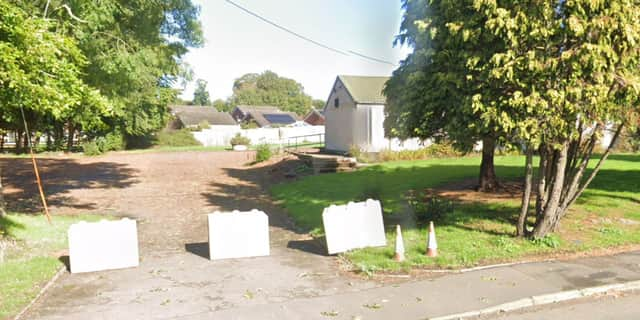

Following a town and parish council asset transfer board meeting, it was agreed that the site should proceed to Shropshire Council’s cabinet to consider disposal.
Members will decide its fate this Wednesday (June 10).
"The building’s age, historic lack of fabric investment and poor condition indicate it is unlikely to meet modern standards for energy efficiency, thermal comfort and operational performance without significant refurbishment or demolition and rebuild," said Steve Law, head of property and development at Shropshire Council.
"This supports the value-for-money rationale for disposal and reduces the risk of the council retaining an asset with ongoing carbon and maintenance liabilities.
"In the financial year 2026/27, the Government has agreed to provide Shropshire Council with support to manage financial pressures via the Exceptional Financial Support (EFS) process.
"As part of this agreement, the Government expects Shropshire Council to implement robust plans to deliver improvements and service transformation required to return to financial stability and this includes generating additional income from accelerating the council’s asset disposal and identifying opportunities for capital generation.
"The capital receipts received from the disposal of identified surplus assets will contribute to the requirement to fund the EFS, whilst also continuing rationalisation of the estate.
"This will reduce both the future repairs and maintenance liability and further revenue and capital funding requirements. This asset is currently not identified within the capital receipt financing requirement to fund the current capital programme and will therefore generate a new capital receipt that can contribute to the EFS funding requirements."
Comment Guidelines
Iconic Media encourages reader discussion on our stories. User feedback, insights and back-and-forth exchanges add a rich layer of context to reporting. Please review our Community Guidelines before commenting.