
Planners reject 96-home estate for Shropshire village
The council said the plan “would result in harm to the landscape character” of the village.
Planners have turned down a bid to build 96 homes in a Shropshire village - a development that would have resulted in a 50 per cent increase in its population.
Raby Estates had asked Shropshire Council for outline planning permission to build the houses in Cressage, which sits on the banks of the River Severn.
The site earmarked for the development is an 8.6-hectare piece of land which would have been accessed off Shore Lane and would have included a new park area.
But Shropshire Council’s planning officers have rejected the scheme, citing its location outside of the development boundary for Cressage - and also saying the estate would have a negative impact on the character of the village.
The plan included up to 96 homes of a range of densities, types and sizes on land between Crown Lane and Wood Lane.
The development would have included pedestrian access from Shore Lane.
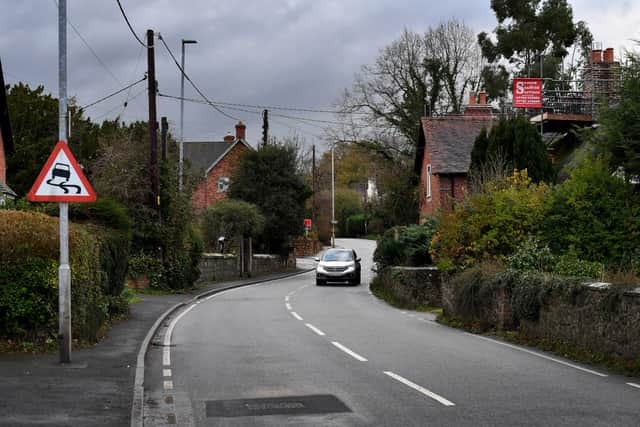

Access for vehicles would have been via Shrewsbury Road, with some demolition required of existing buildings located off the route.
Describing the aspirations for the site, architects said they wanted the development to be “like a natural evolution of the village rather than a housing estate”.
Detailing the reasons for rejecting the plan, Shropshire Council’s planning department said: “The proposed development site is wholly located in countryside outside of any settlement development boundary and which is not allocated land.
“Development in this location would be incompatible with the principles of sustainable development in that it would undermine the development strategy set out in the adopted Shropshire Council Core Strategy and Site Allocations and Management of Development (SAMDev) Plan which seek to facilitate residential development within a sustainable settlement hierarchy and to support growth in a sustainable manner.
“In addition the proposal would increase the scale of the existing settlement such that it would compromise the prevailing open character and setting of Cressage, and would result in harm to the landscape character due to the development's projection of the built environment and unresolved landscape matters including the loss of mature trees.”
Comment Guidelines
Iconic Media encourages reader discussion on our stories. User feedback, insights and back-and-forth exchanges add a rich layer of context to reporting. Please review our Community Guidelines before commenting.