
Archaeologists on the hunt for temple as Roman city prepares for excavation
A team of archaeologists are on the hunt for the last major building in Wroxeter's Roman city.
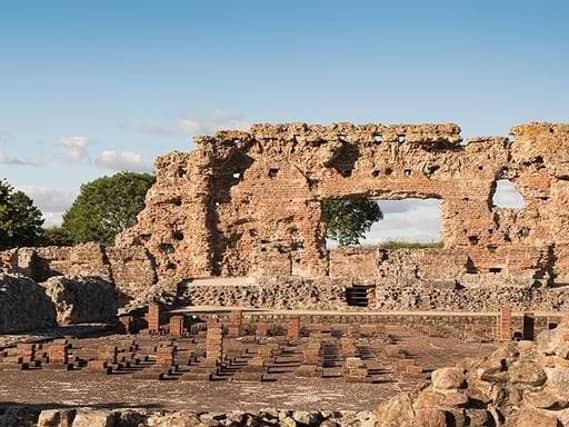


This month, archaeological excavations will get underway in the heart of the Roman City of Wroxeter.
A team of archaeologists will be excavating the centre of what was once known as Viroconium, one of the largest cities in the Roman province of Britannia.
They will be opening up a series of evaluation trenches to the north of Wroxeter’s forum, a possible location for the city’s main Civic Temple.
The Wroxeter Farm excavation is a collaborative project involving English Heritage, the University of Birmingham, Vianova Archaeology & Heritage Services and Albion Archaeology.
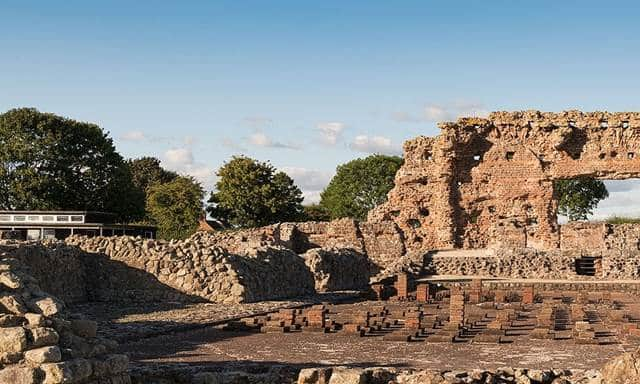
Visitors to the English Heritage site will be able to join guided tours, which will be held four times a day between July 10 and 30.
The tours will explain the history of the site and share updates on the progress of excavations.
Wroxeter was once one of the largest cities in Roman Britain and its true size can best be judged by the scale of the surviving defences and ramparts. It was founded in the mid-1st century AD as a legionary fortress, and the city was established in the 90s AD.
Roger White, retired senior lecturer in archaeology at The University of Birmingham, said: “This is an exciting moment for an excavation at Wroxeter. It is exactly 100 years since Wroxeter’s forum was last excavated and this small-scale investigation hopes to locate the last of the town’s major civic buildings: its temple.
"The site we are working on was last ploughed when Darwin was writing On the Origin of Species: analysis of its topsoil will tell us a great deal about how the city reverted to farmland, and how it might be impacted by future climate change.”
Today Wroxeter is exceptionally well preserved, its relatively remote location has meant that there has been little disturbance of the Roman remains by later occupation.
Archaeologists have been able to use cutting-edge technology here to reveal details of the city, which has revolutionised the understanding of this complex and important site.
For more information, visit: english-heritage.org.uk/visit/places/wroxeter-roman-city