
Latest Severn Trent reservoir levels as reserves continue to drop during drought

July 2026 is expected to be declared the driest on record
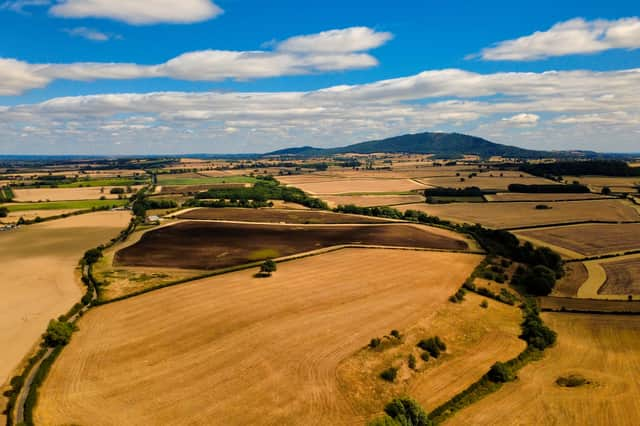
A searing start to summer has pushed the West Midlands into an officially declared drought, with water reserves, river levels and crops all feeling the strain.
Last week saw a drought officially declared in the West Midlands, while river flows, groundwater levels and reservoir storage continue to decline across the region.
A prolonged heatwave, exceptionally low rainfall and widespread drought conditions meant July 2026 is expected to be officially recorded as the driest July in 190 years.
Storage levels at Severn Trent’s reservoirs have dropped to their lowest point since November 2025, with stocks at 71.4 per cent - down three per cent on last week.

The company’s total capacity stands at 247,708 million litres, but current reserves have dipped to 176,850 million litres.
While Severn Trent has not yet declared a hosepipe ban, residents are being strongly encouraged to be mindful of their water use.
The drought conditions are having significant impacts beyond public water supply, with the agricultural sector facing increasing risks of field fires during harvesting and reports of reduced crop yields.
Low river flows and declining water levels are also affecting navigation, with increasing localised canal restrictions and the potential for further closures if the dry weather persists.
Wolverhampton Lock Flight on the Old Main Line was closed last week due to low water levels, along with lock flights along the Walsall Canal, Rushall Canal and the Tame Valley Canal. As of Sunday morning, the Shropshire Union Canal remained open for navigation.
Met Office scientist Dr Emily Carlisle said: "The headline story for July is undoubtedly the rainfall. Across parts of England and Wales we've seen extraordinarily low totals, with some locations recording little or no meaningful rainfall for much of the month.
“Provisional figures suggest this could be one of the driest Julys in nearly two centuries of records, which is particularly notable when coupled with the exceptional heat experienced so far this summer."
The weather forecast for the upcoming week offers little hope of relief for the parched earth, with experts predicting yet another warm, dry week.
Full list of Severn Trent reservoirs and their storage levels reported on July 27
Elan Valley
The Elan Valley Reservoirs in Wales were at 69.3 per cent of capacity when the latest recording was taken. The reservoirs had 68,924 ML of water, out of a possible whopping 99,500 ML.
Ogston
The reservoir in Derbyshire was at 54.5 per cent of capacity when the latest recording was taken. The reservoir had 3,297 ML out of a possible 6,050 ML.
Tittesworth
The reservoir in Leek, Staffordshire, was at 49.6 per cent of capacity on July 27. The reservoir had 3,194 ML of water out of a possible 6,440 ML.
Draycote Water
The reservoir in Warwickshire was at 83 per cent of capacity when the latest data was retrieved. The reservoir had 19,090 ML of water out of a possible 23,000 ML.
Derwent Valley
Severn Trent has three reservoirs at Derwent Valley in Derbyshire. Overall capacity of the three was 63.6 per cent on Monday, July 27 with 29,468 ML of water out of a possible 46,345 ML.
Carsington Water
Carsington Water in Derbyshire was at 85.4 per cent of capacity - the highest figure at any of Severn Trent's reservoirs. The reservoir had 31,027 ML of water out of a possible 36,331 ML.
Dove (inc Foremark and Staunton)
The two reservoirs in the Peak District were at a combined storage level of 77.1 per cent on Monday, July 27. The reservoirs had 15,299 ML of water out of a possible 19,845 ML.
Charnwood (inc Swithland and Cropston)
The reservoirs in Loughborough were at 43.3 per cent of capacity when the latest recording was taken - the lowest of any of Severn Trent’s reservoirs with 2,058 ML of water out of a possible 6,229 ML.
Bartley/Frankley
The reservoirs in Birmingham were at a combined 81.9 per cent capacity on Monday, July 27 - the only recording to have increased in recent weeks. The reservoirs had 2,687 ML of water out of a possible 3,281 ML, a 12 per cent increase from two weeks ago.
Whitacre Combined
The reservoirs had a combined capacity of 83.8 per cent when the latest recording was taken. The reservoirs had 1,806 ML of water out of a possible 2,160 ML.
Clywedog
Severn Trent's Clywedog Reservoir in Wales is excluded from the company's total water storage capacity as it is not directly used for water supplies, but figures are still published.
The reservoir was at 68.8 per cent capacity on Monday, July 27. The reservoir had 34,351 ML of water out of a possible 49,936 ML.
Comment Guidelines
Iconic Media encourages reader discussion on our stories. User feedback, insights and back-and-forth exchanges add a rich layer of context to reporting. Please review our Community Guidelines before commenting.